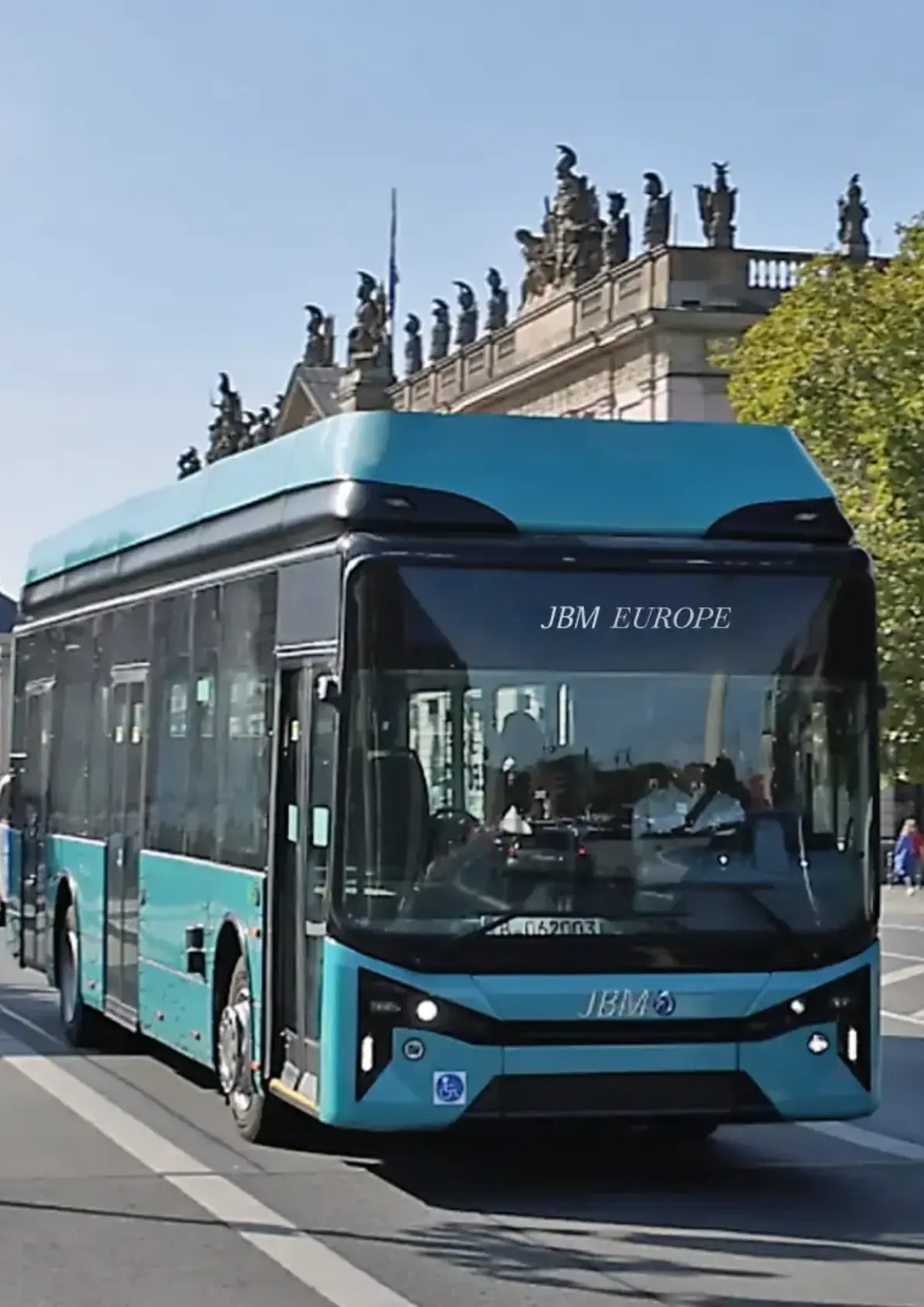
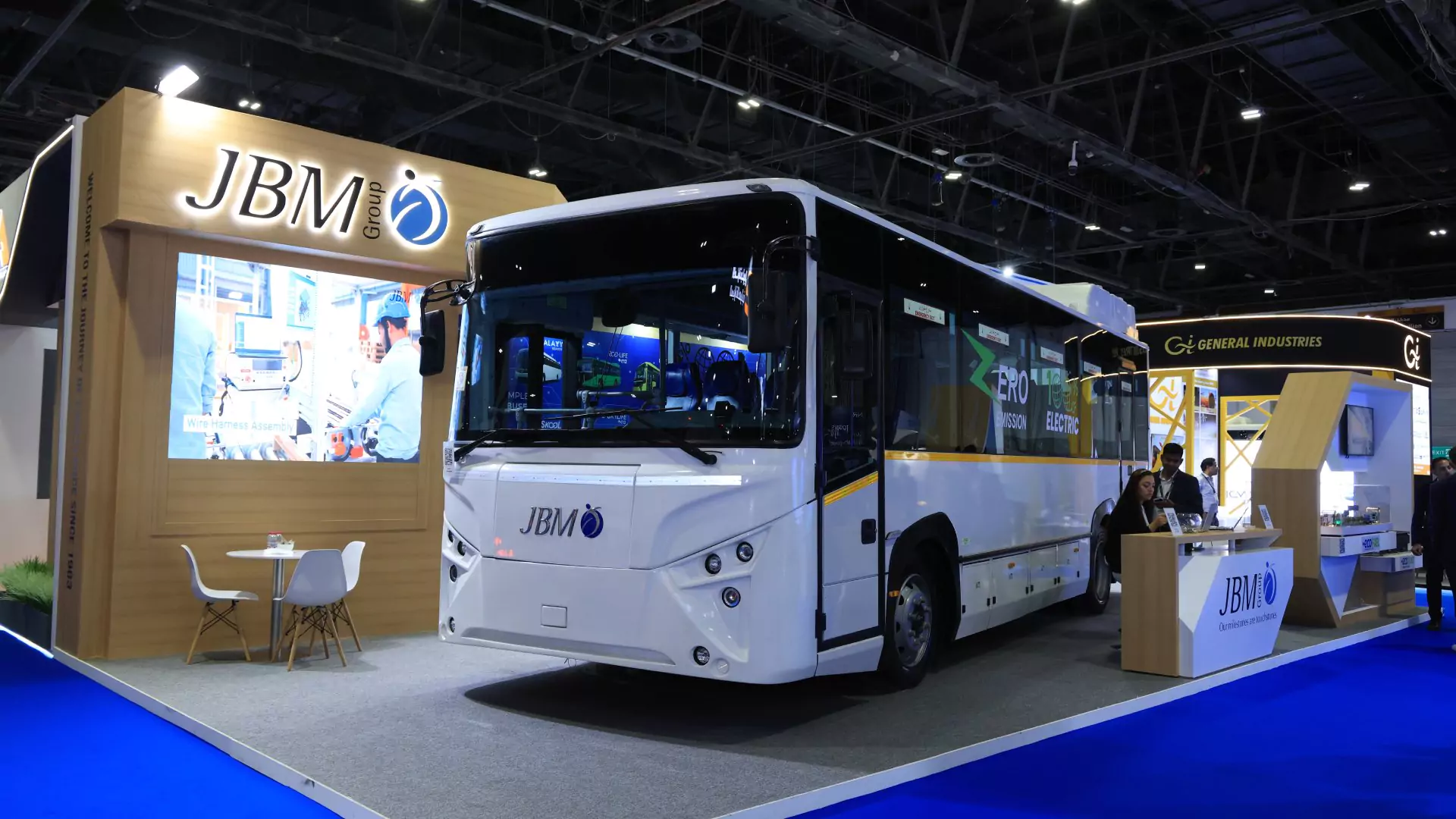
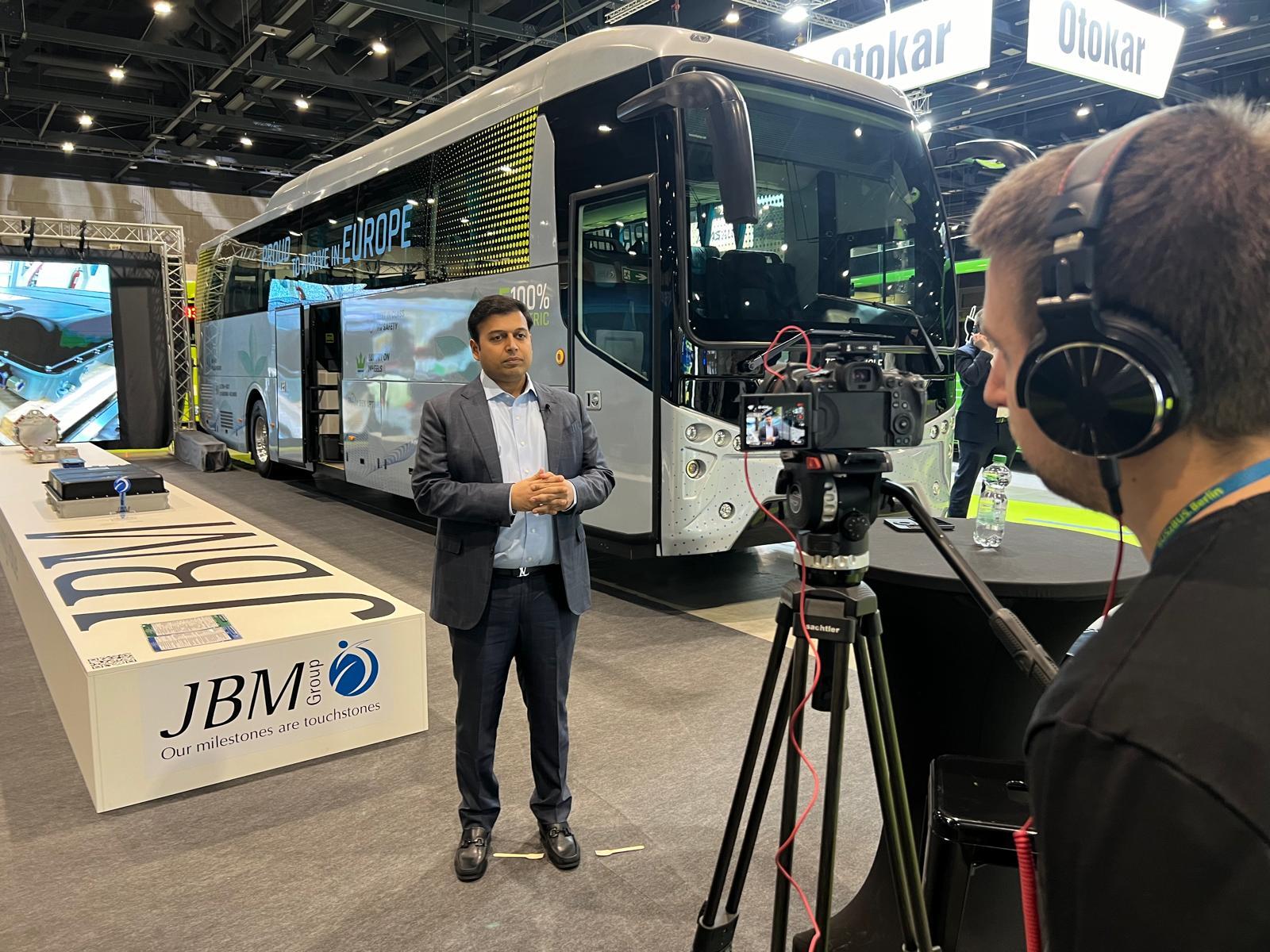
Electric buses are becoming a familiar sight on city roads. As governments and transport operators look for cleaner ways to move people, electric mobility is playing an increasingly important role in public transport.
But introducing electric buses is only one part of the transition.
For an electric bus fleet to operate successfully, several things need to work together. Charging stations must be available, batteries need to perform efficiently, vehicles require regular maintenance, and operators need reliable information to manage their fleets.
This is where the idea of an integrated electric mobility ecosystem becomes important.
What is an integrated electric mobility ecosystem?
An integrated electric mobility ecosystem is a connected system that brings together electric vehicles, charging infrastructure, battery management, fleet monitoring and maintenance services.
Rather than managing each element separately, the objective is to make them work together.
Think of a fleet of 100 electric buses operating across a city. Each bus follows a different route, travels a different distance and returns to the depot with a different battery level.
If all 100 buses need charging at the same time, the depot may face challenges related to power availability, charging capacity and scheduling.
An integrated system helps operators understand which buses need charging, when they should be charged and how to prepare them for the next day’s operations.
- Charging infrastructure: More than installing chargers
Charging infrastructure is one of the most important parts of electric public transport.
However, installing charging stations alone does not guarantee efficient operations.
Transport operators need to consider several factors, including:
- The number of buses operating from each depot.
- The daily distance travelled by each vehicle.
- The battery capacity and charging requirements.
- The availability of electricity and grid capacity.
- The time available between operating schedules.
For example, a bus that operates throughout the day and returns to the depot at night may be suitable for overnight charging.
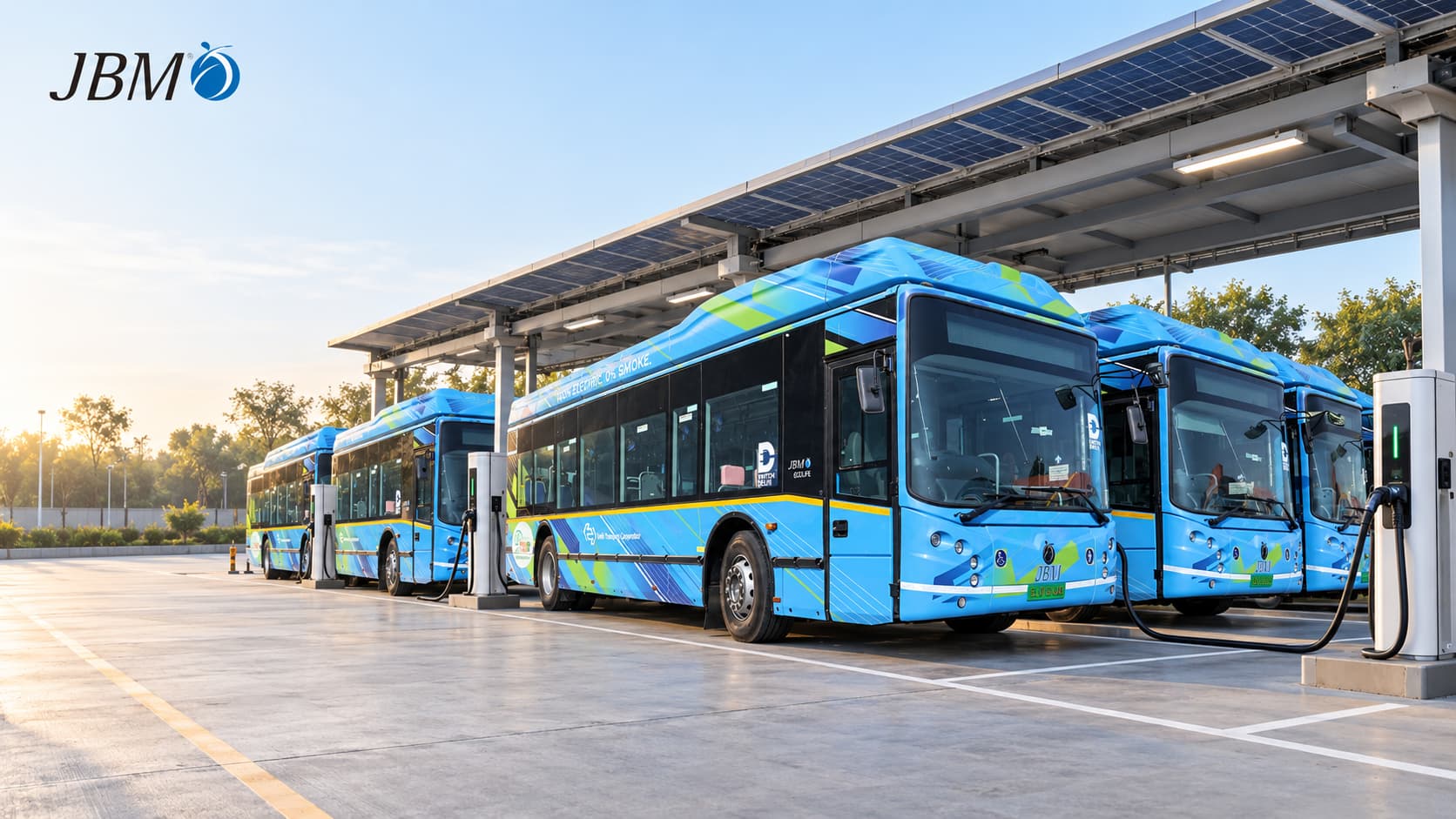
Another bus operating longer routes or multiple shifts may require charging during the day.
Understanding these differences helps operators plan infrastructure that meets actual operating needs.
- Battery management: Understanding how batteries perform
The battery is one of the most important and expensive components of an electric bus.
Its performance depends on factors such as temperature, charging patterns, driving conditions and usage over time.
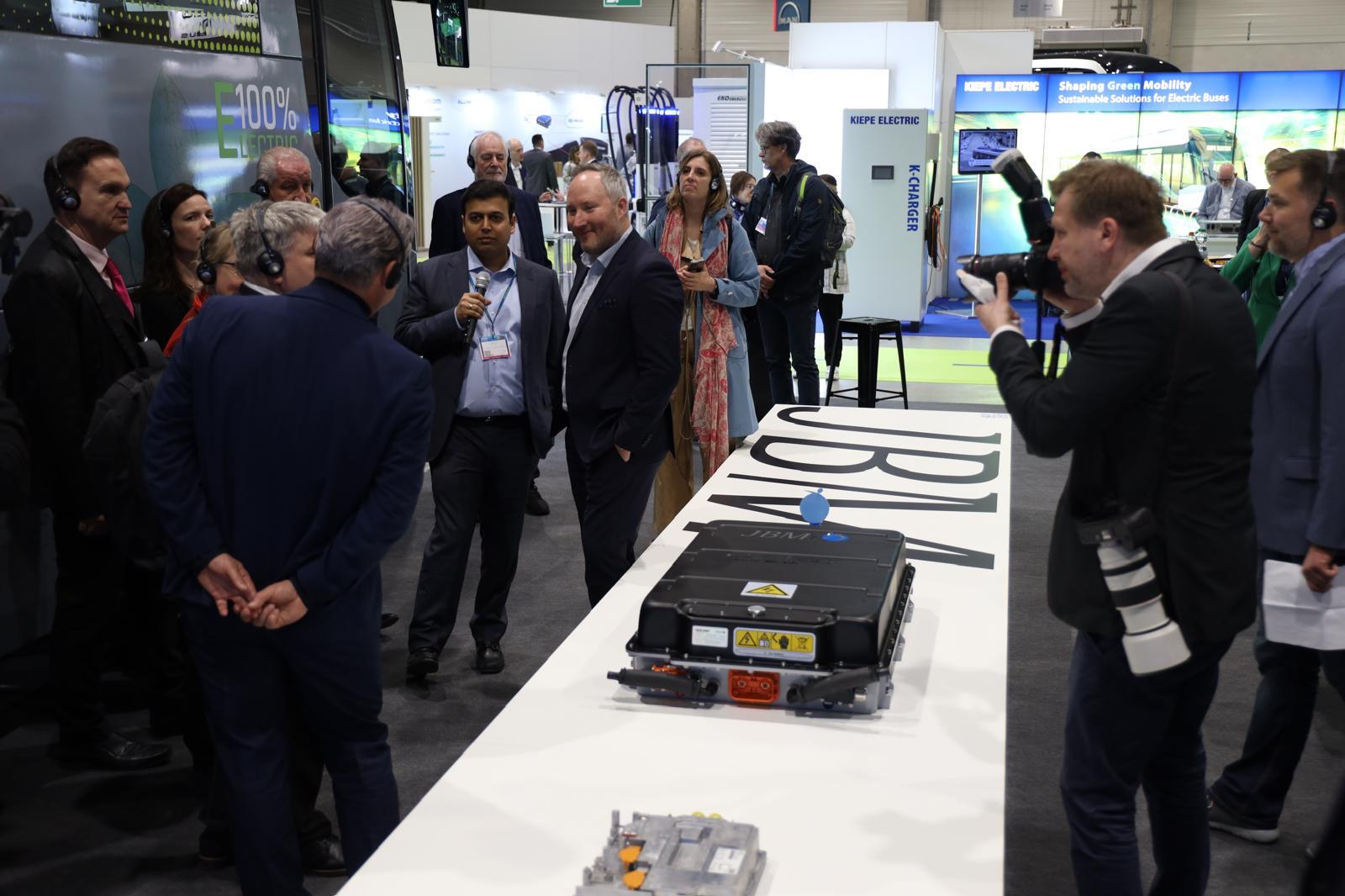
A Battery Management System (BMS) monitors important parameters, including battery voltage, temperature, current and state of charge.
This information helps protect the battery and supports efficient operation.
For fleet operators, understanding battery health is particularly important because battery performance can influence vehicle range, maintenance planning and long-term operating costs.
- Fleet management: Using data to improve operations
Modern electric buses can generate information about vehicle location, energy consumption, driving patterns and technical performance.
When this information is brought together through a digital fleet management platform, operators gain a clearer picture of daily operations.
For example, if one bus consistently consumes more energy than other buses operating on similar routes, the operator can investigate possible reasons.
These could include traffic conditions, driving behaviour, passenger load, route characteristics or vehicle performance.
Such insights can help operators improve efficiency without necessarily making major changes to their fleet.
- Predictive maintenance: Identifying problems early
Traditional maintenance often follows fixed schedules or takes place after a problem is reported.
Predictive maintenance takes a different approach.
By analysing vehicle data and equipment performance, maintenance teams can identify signs that a component may require attention.
For example, unusual temperature readings or repeated equipment alerts may indicate that an inspection is needed.
This does not eliminate breakdowns, but it can help reduce unexpected downtime and improve maintenance planning.
For public transport operators, keeping vehicles available for scheduled services is essential.
- Understanding the total cost of ownership
When comparing electric buses with conventional buses, the purchase price is only one part of the calculation.
Transport operators also need to consider the Total Cost of Ownership (TCO).
This includes:
- Vehicle purchase or financing costs.
- Electricity and charging expenses.
- Charging infrastructure investment.
- Maintenance and spare parts.
- Battery replacement, where applicable.
- Vehicle availability and operational efficiency.
An electric bus may have a higher initial purchase cost, but its energy and maintenance costs can be lower under suitable operating conditions.
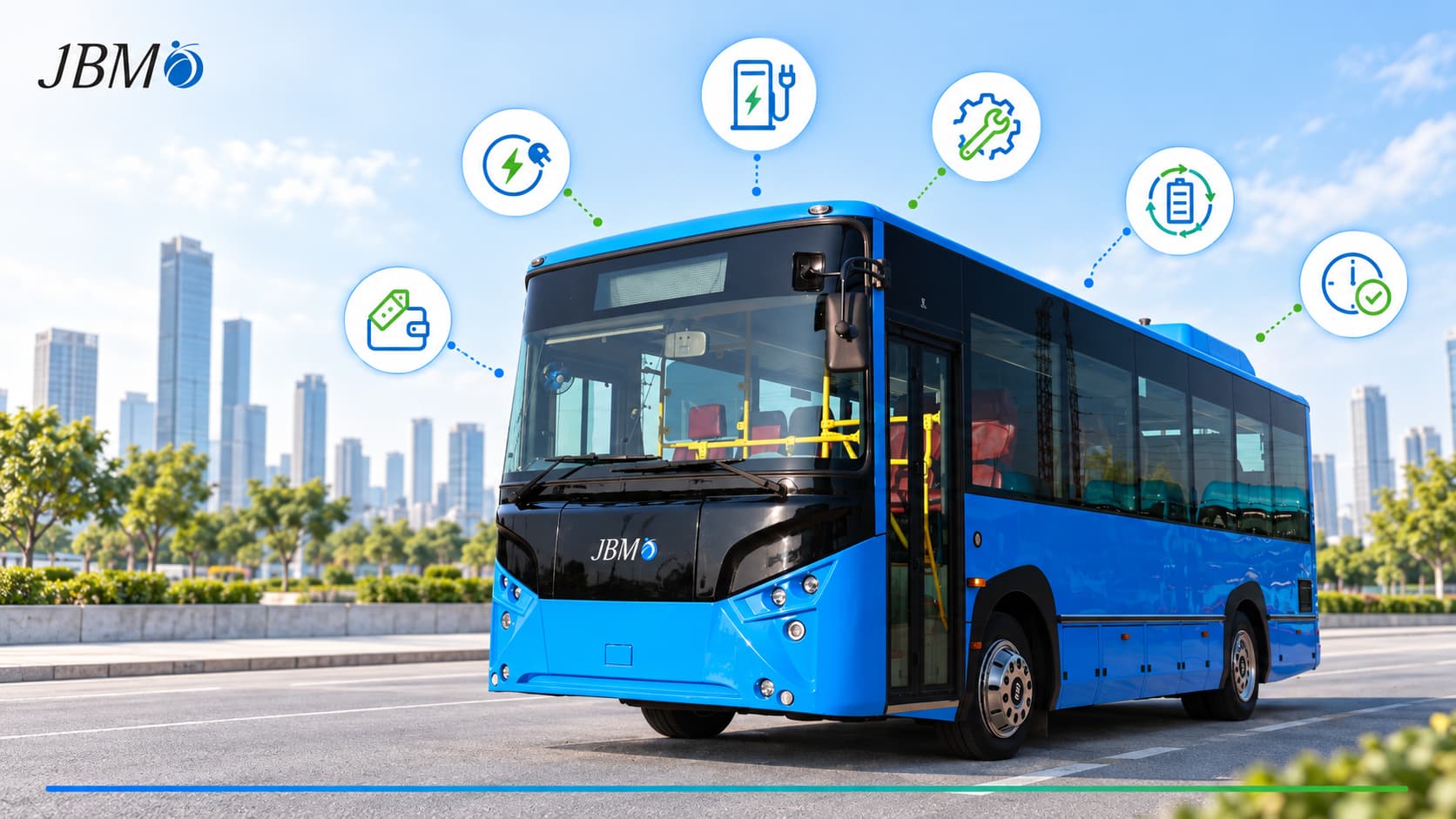
The actual financial benefit depends on route patterns, electricity tariffs, vehicle utilisation, financing and infrastructure costs.
Looking at the complete operating life helps transport authorities make better investment decisions.
What does this mean for the future of public transport?
As electric bus fleets grow, managing individual vehicles will become only one part of the challenge.
Transport operators will increasingly need to coordinate vehicles, charging infrastructure, electricity consumption, maintenance and operational schedules.
An integrated approach can help make this process more manageable.
The future of electric public transport will therefore depend not just on how many electric buses are introduced, but on how efficiently the entire system operates.
Frequently Asked Questions (FAQs)
What is an integrated electric mobility ecosystem?
It is a connected system that combines electric vehicles, charging infrastructure, battery management, fleet monitoring and maintenance services to support efficient electric transport operations.
Why is charging infrastructure important for electric buses?
Electric buses need reliable access to electricity to operate on schedule. Proper charging infrastructure helps operators plan charging times, manage energy demand and reduce unnecessary vehicle downtime.
What is the role of a Battery Management System in an electric bus?
A Battery Management System monitors battery conditions such as temperature, voltage, current and state of charge. It helps maintain safe operation and provides information about battery performance.
How does digital fleet management improve electric bus operations?
Digital fleet management provides information about vehicle location, energy consumption, driving behaviour and maintenance requirements. Operators can use this data to improve scheduling, identify inefficiencies and support vehicle availability.
Are electric buses cheaper to operate than diesel buses?
Electric buses can have lower energy and maintenance costs, but their overall financial performance depends on electricity prices, vehicle usage, infrastructure investment, financing and other operating conditions. A total cost of ownership analysis is needed for a fair comparison.