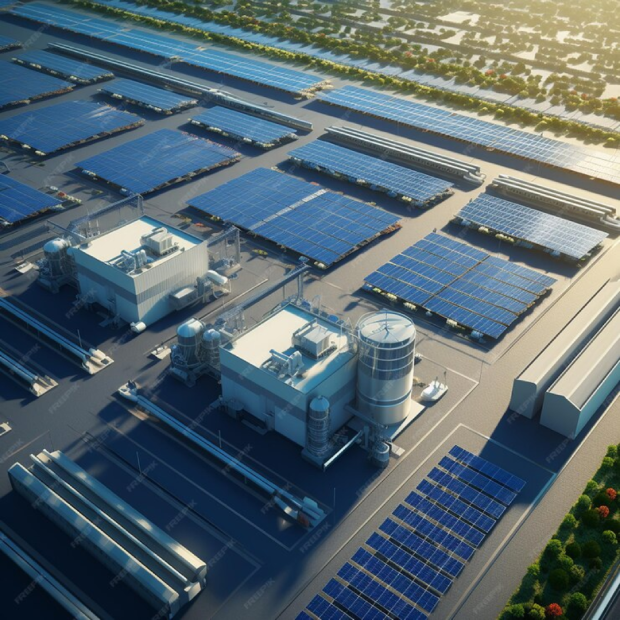

The most common form of ESS, including lithium-ion, lead-acid, and flow batteries. They offer flexibility and can be deployed for various applications, from residential use to grid-scale projects.
This technology stores energy in the form of heat, which can be used for heating or converted back into electricity. It’s particularly effective in conjunction with solar thermal systems.

Maintains reliable electricity supply, reducing blackout risks effectively.

Stores excess renewable energy for consistent, reliable usage.

Lowers energy costs by optimizing consumption during off-peak times.

Ensures power availability during outages for homes and businesses.

Reduces fossil fuel reliance, minimizing greenhouse gas emissions significantly.

Quickly adapts to changing energy demands, optimizing grid performance.
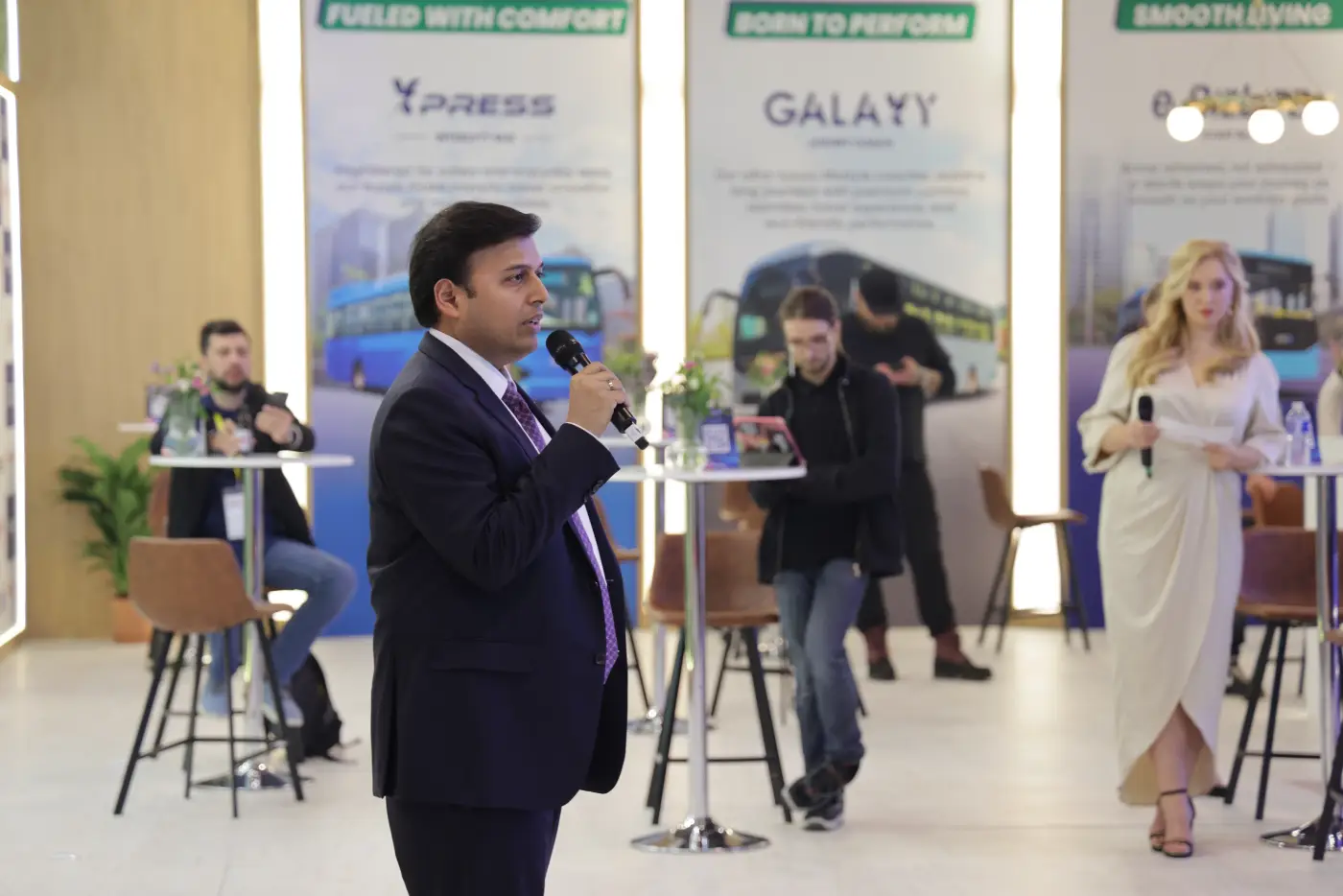
An energy storage system (ESS) captures surplus electrical energy during periods of low demand, stores it, and releases it quickly when demand rises or renewable generation falls — closing the gap between when power is generated and when it is needed.
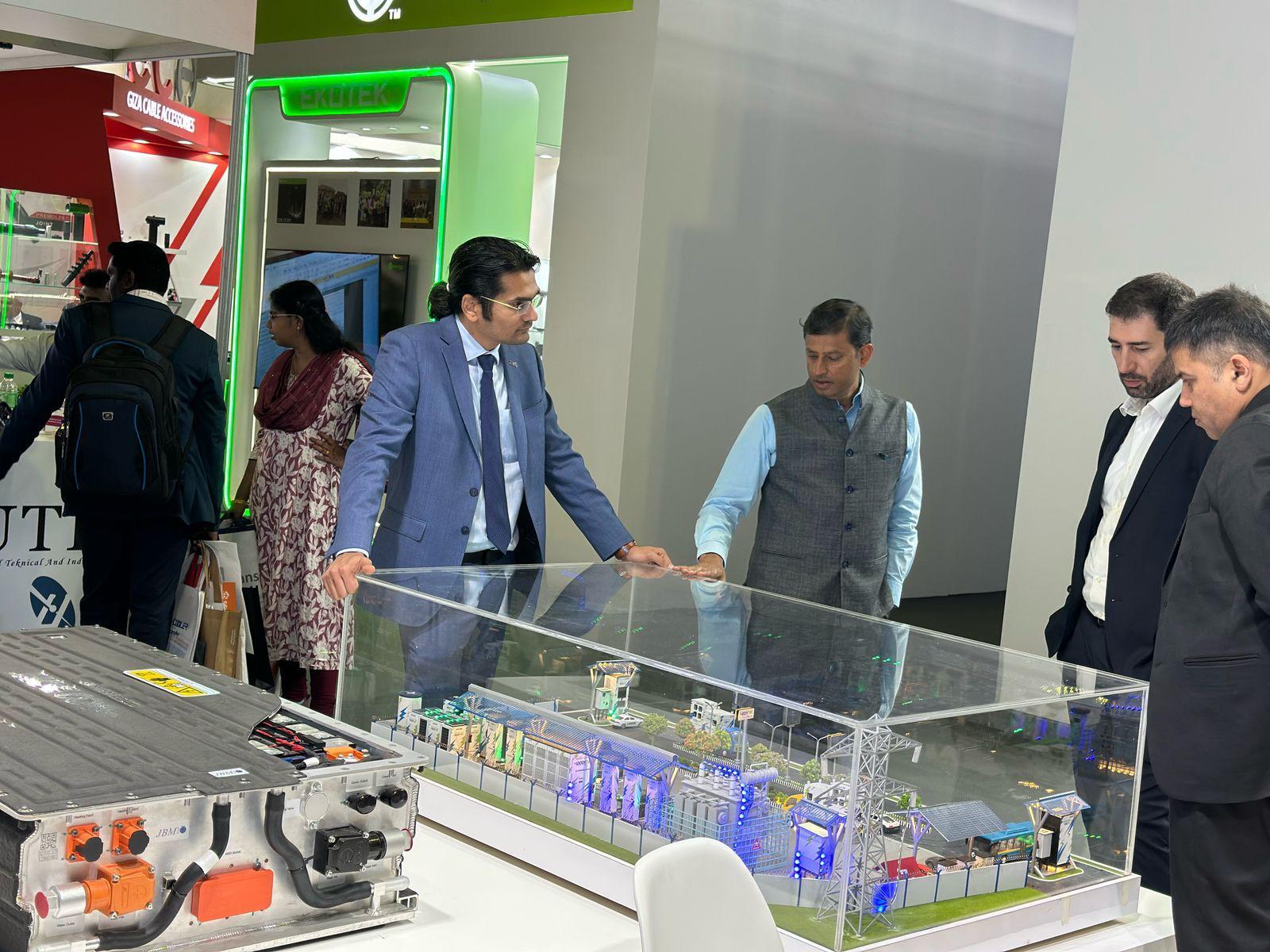
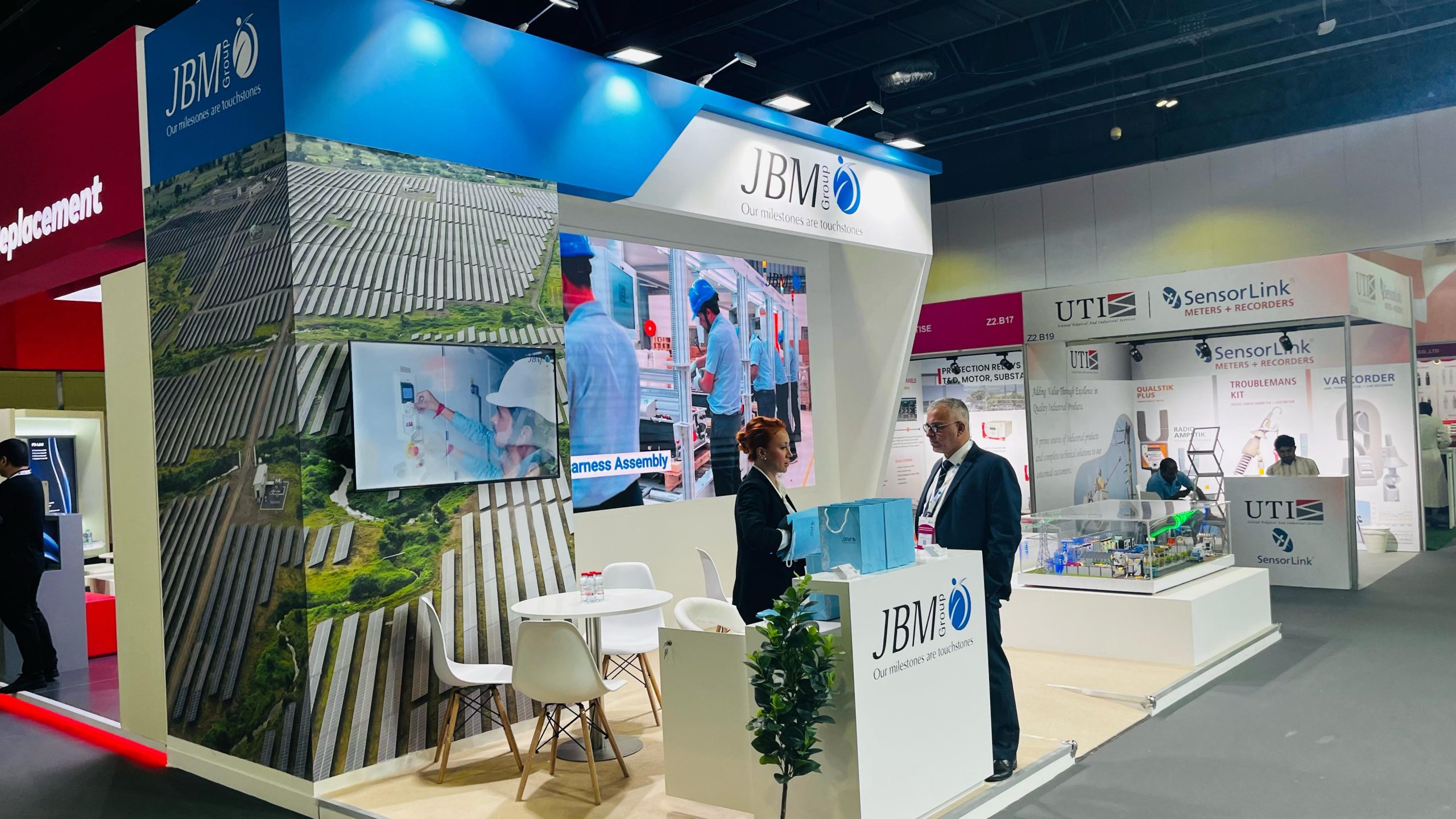
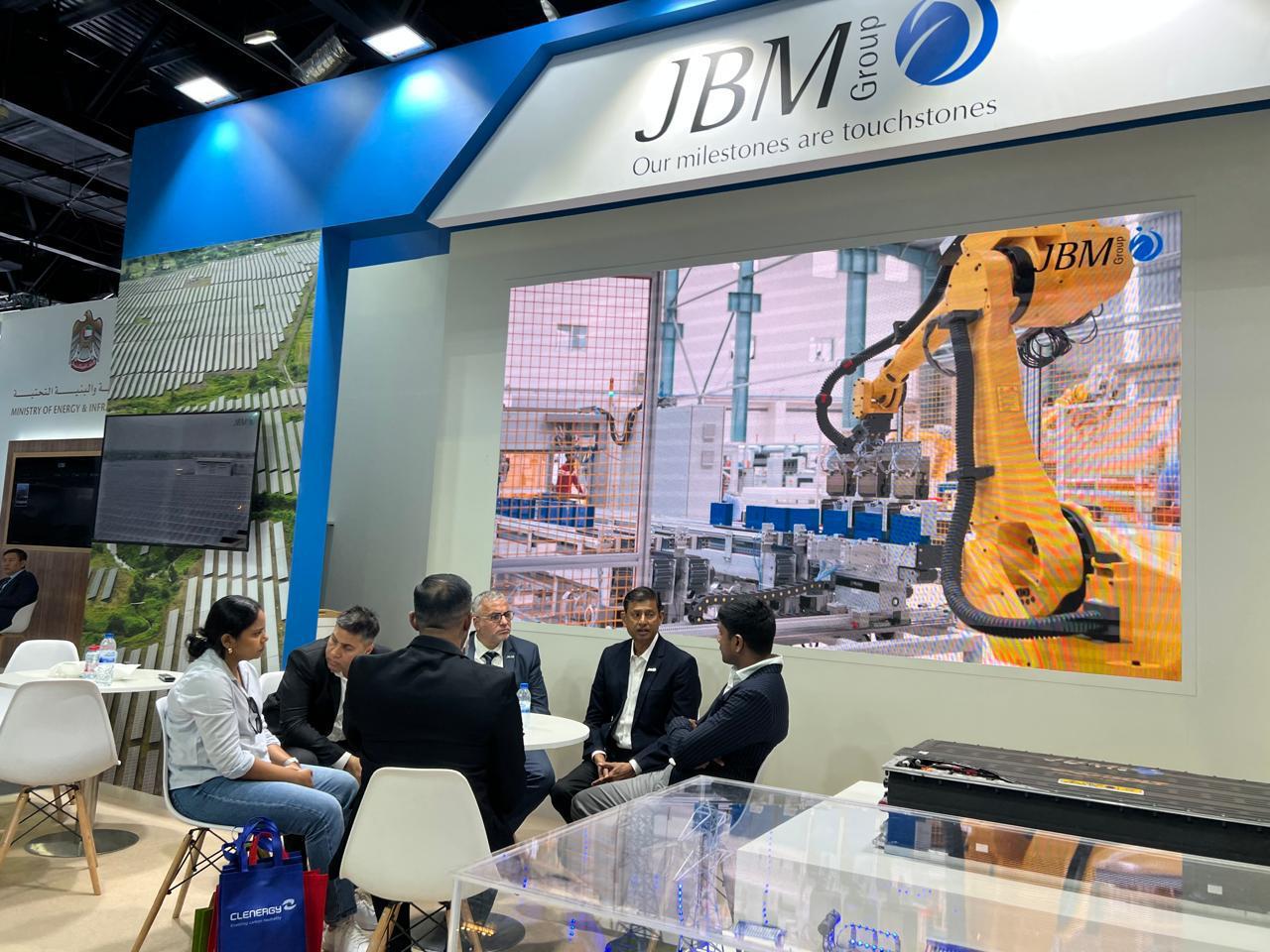
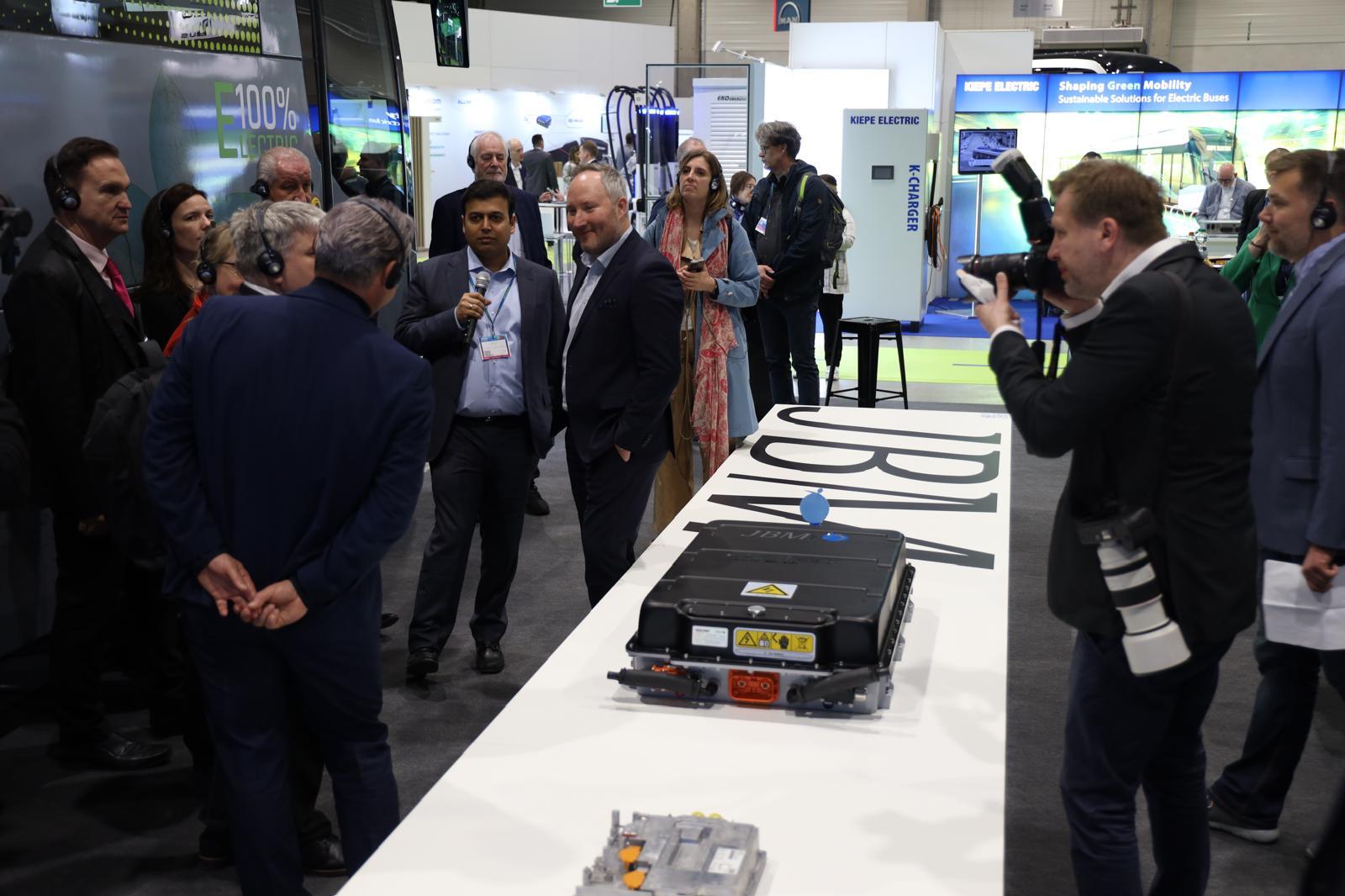
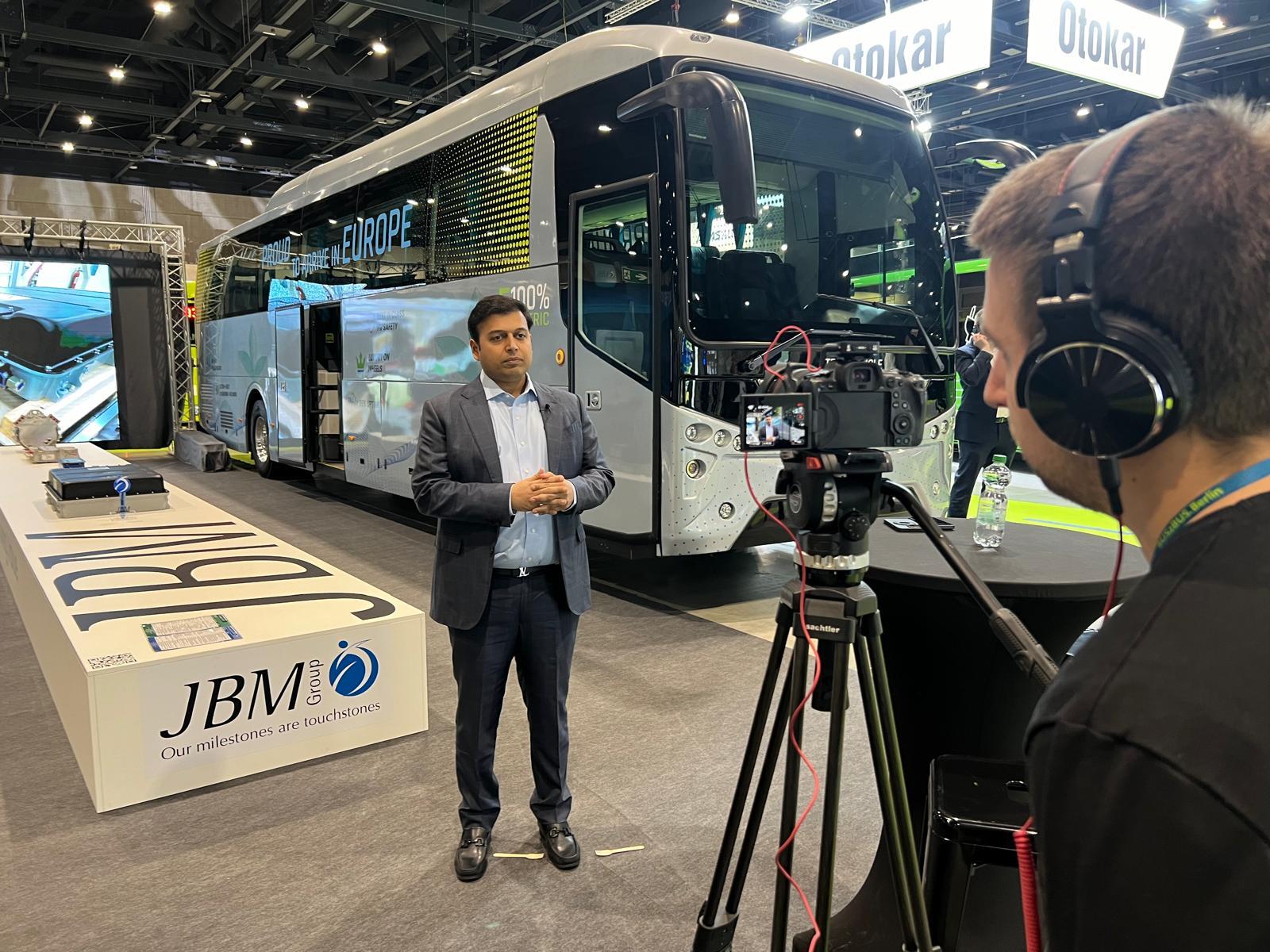
JBM’s reliable and efficient energy storage systems deliver grid stability, renewable integration, cost efficiency, backup power, reduced environmental impact and greater operational flexibility — the foundations of sustainable energy management.
Solar and wind generation is intermittent. An ESS stores surplus output when generation exceeds demand and discharges it when the sun sets or the wind drops, so renewable capacity is used fully instead of being curtailed.
Yes. Storing energy when tariffs are low and discharging during expensive peak periods lowers bills and reduces demand charges — peak shaving that is especially valuable for commercial and industrial users.
JBM ESS solutions suit grid stability and reliability applications, solar and wind integration, peak demand management, and both residential and grid-scale installations.
Yes. A properly sized ESS supplies stored energy during grid outages, keeping critical loads running without the emissions, noise or fuel logistics of a diesel generator.