The energy transition in transport shows up first in depots and yards. A state transport corporation orders a few hundred electric buses. A logistics operator replaces forty diesel vans and rebuilds its overnight charging around the local power tariff. Neither gets the attention a new car launch does, and both change the economics of running a fleet.
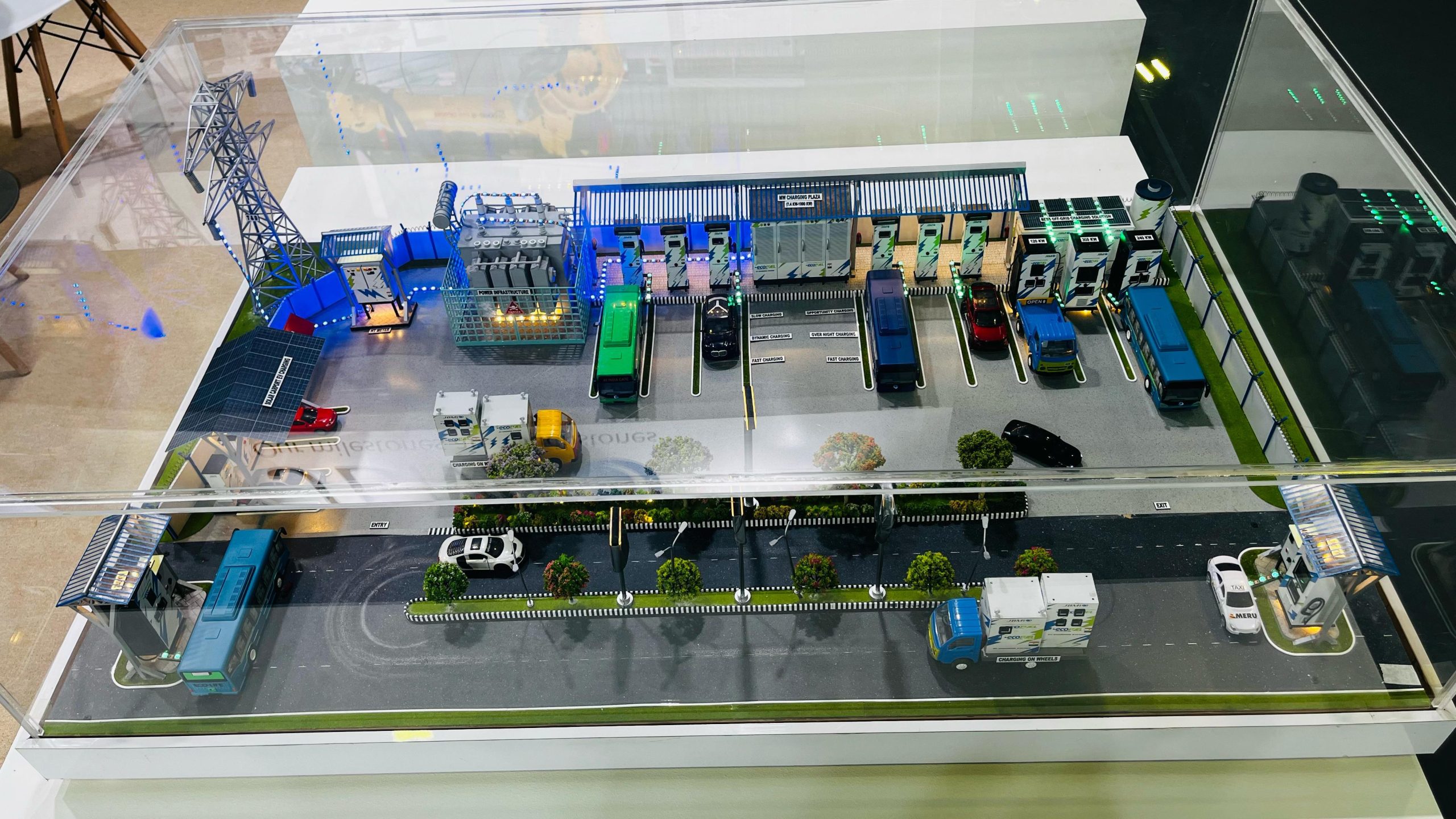
What has shifted over the last few years is that electrification stopped being a vehicle question. An electric fleet works when the vehicle, the battery, the charger, the energy supply and the software that tracks all of it are planned as one system. Operators who order the vehicles first and sort out charging later usually end up paying for that sequence twice.
This is why most fleet owners now treat electrification as a procurement and operations decision rather than an environmental one. The emissions case is real and well understood. The reason a purchase order actually gets signed is cost per kilometre.
Where the market stands
Battery costs have come down, policy support has firmed up, and charging networks have grown enough for electrification to make commercial sense across several vehicle segments rather than one or two.
In India, NITI Aayog has set out a target of 30 percent electric vehicle penetration by 2030, with EV sales penetration of 80 percent for two and three wheelers, 50 percent for passenger vehicles and 40 percent for buses. The stated logic goes beyond emissions: less money spent on imported crude, more predictable energy costs, and a domestic manufacturing base for batteries and components.
The International Energy Agency counts India among the fastest growing electric mobility markets, with policy, manufacturing capacity and adoption across public and commercial transport all moving in the same direction.
Public transport
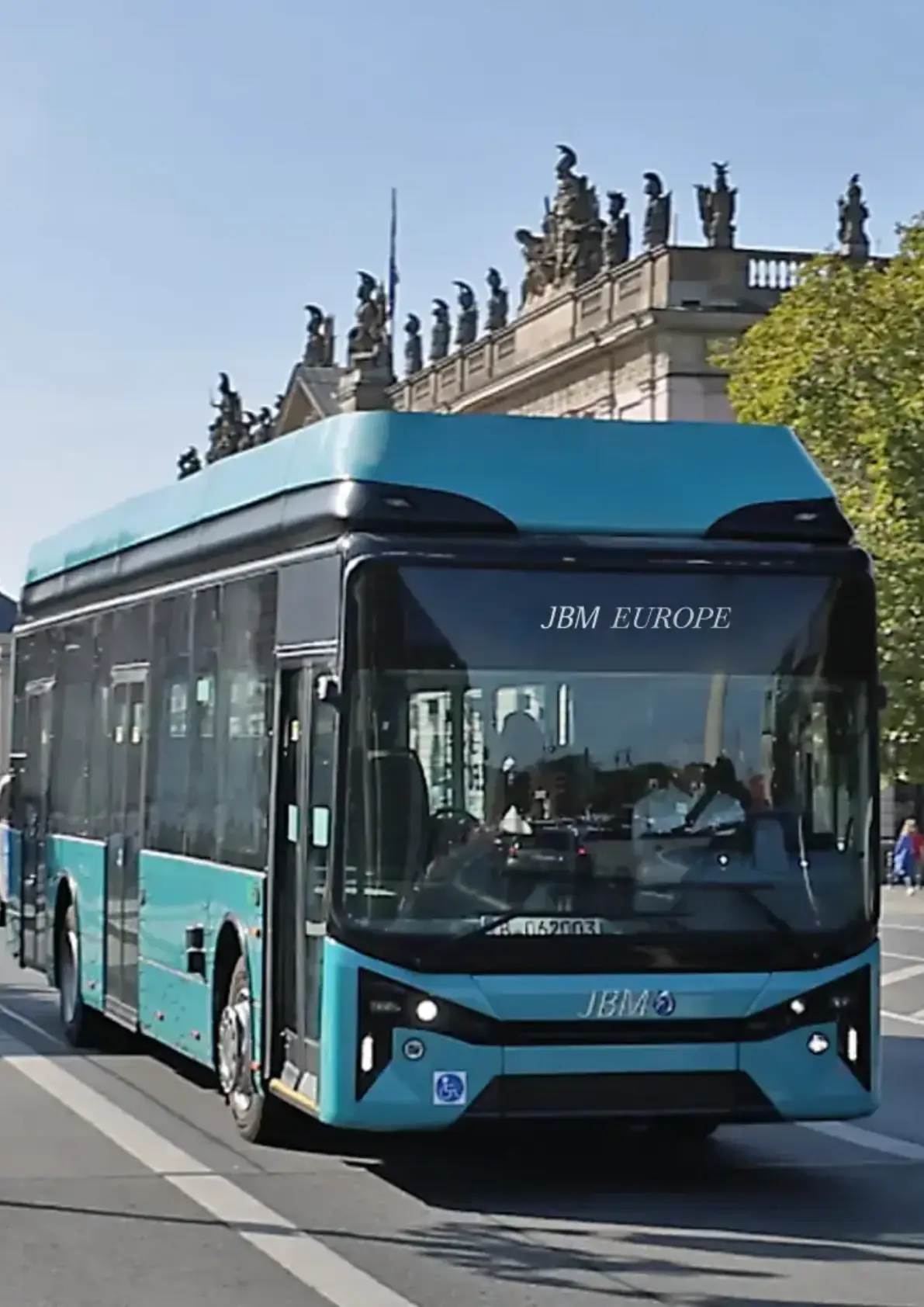
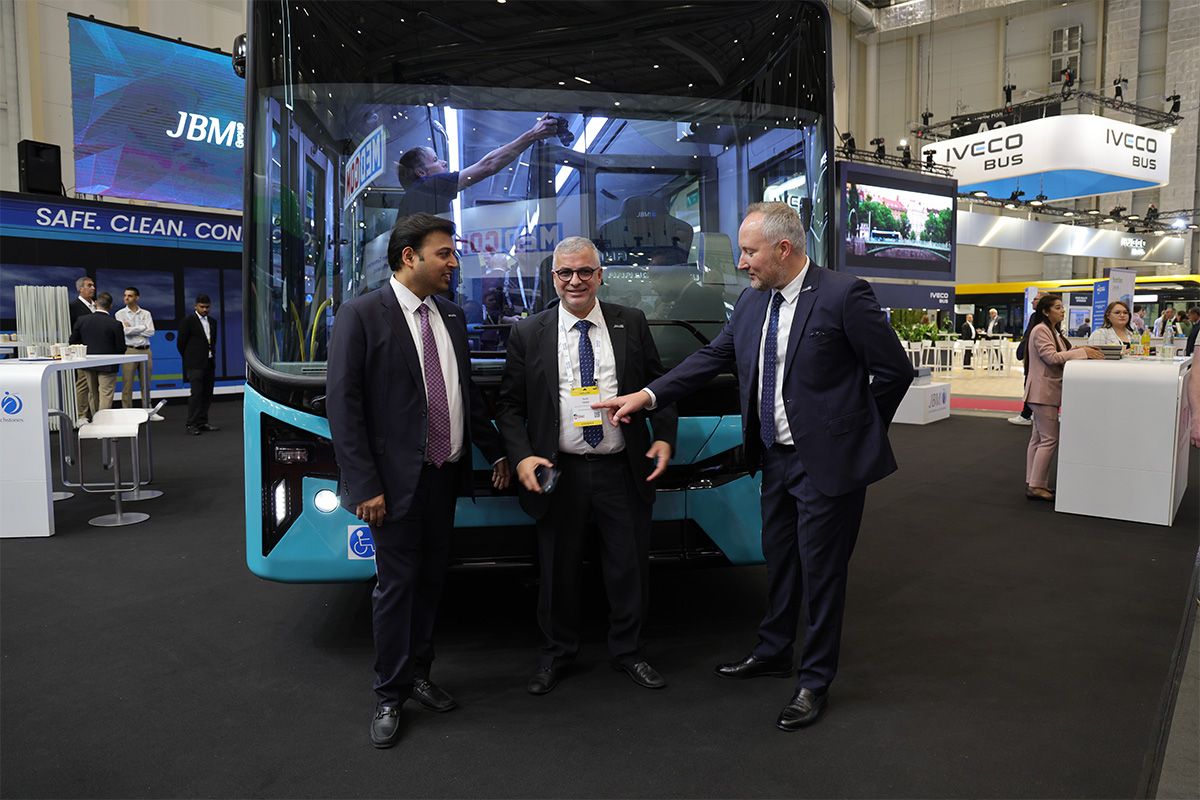
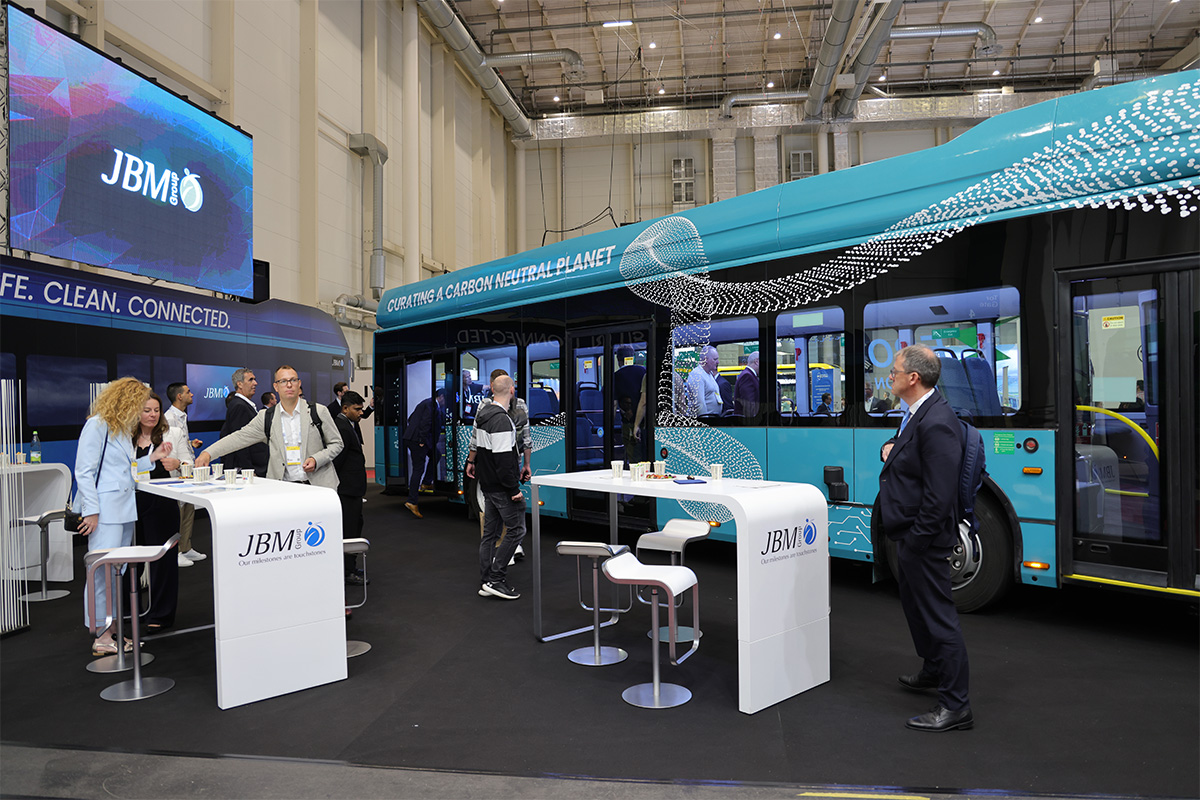
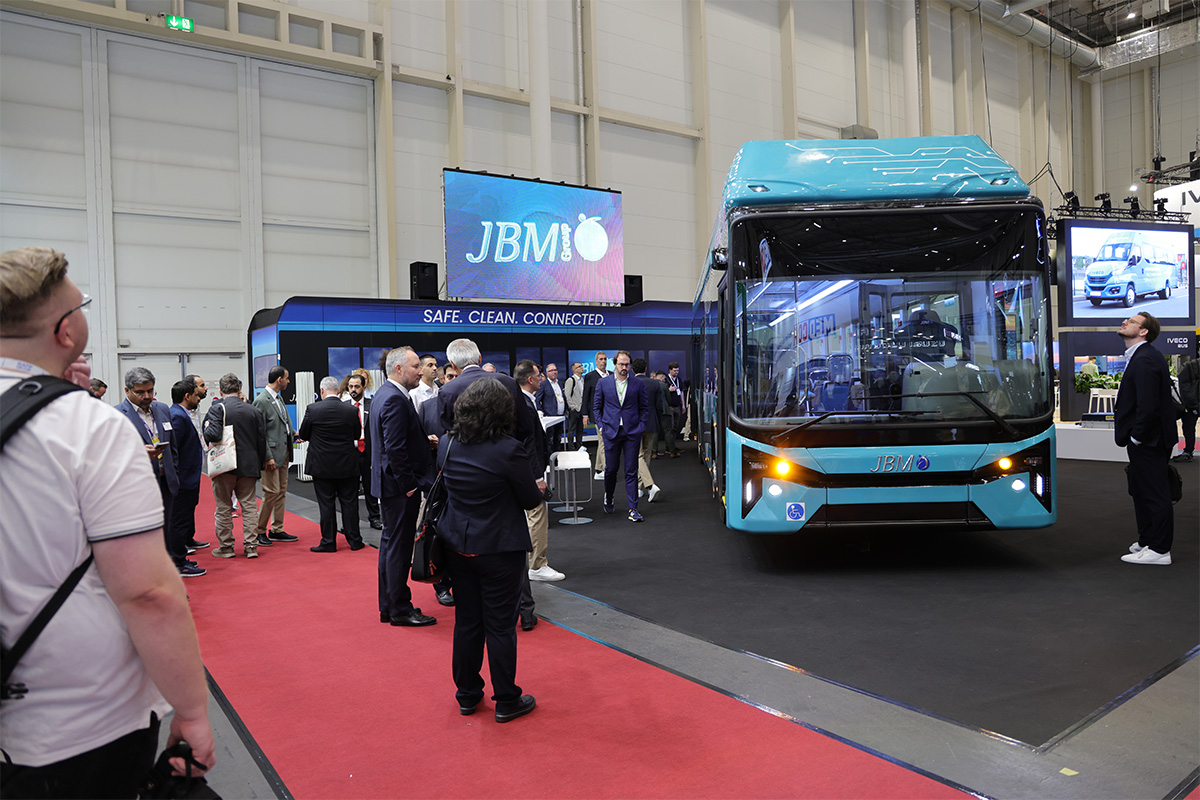
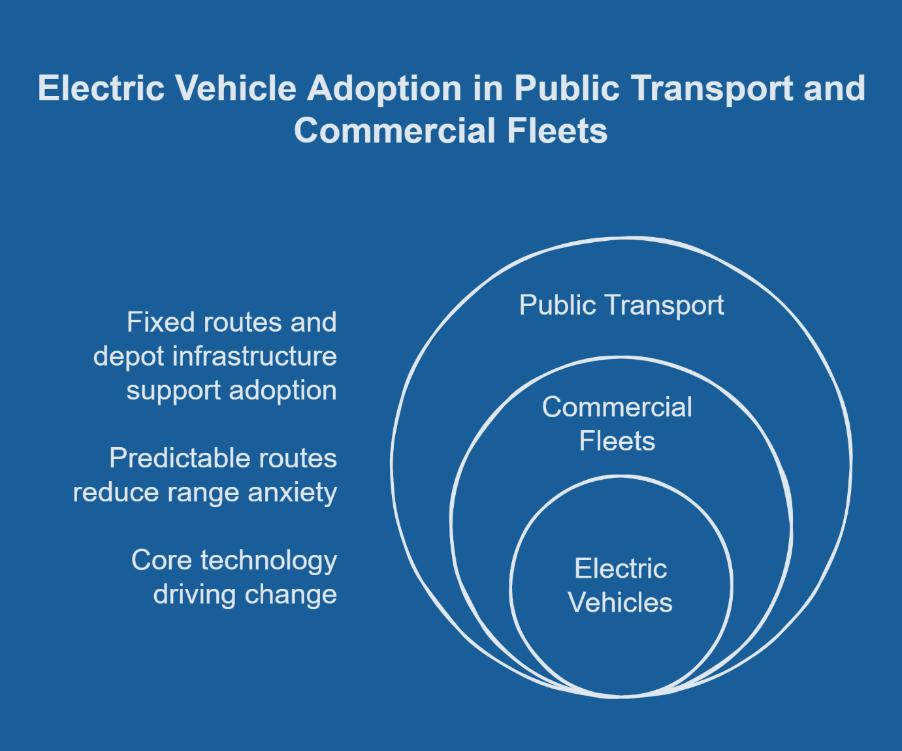
Buses were always going to move first. They run fixed routes, return to a depot every night, and belong to operators who can plan procurement in volume. They also spend their working day in dense traffic, so removing the tailpipe has an effect people notice at the kerb. The drop in noise is usually the first thing passengers mention.
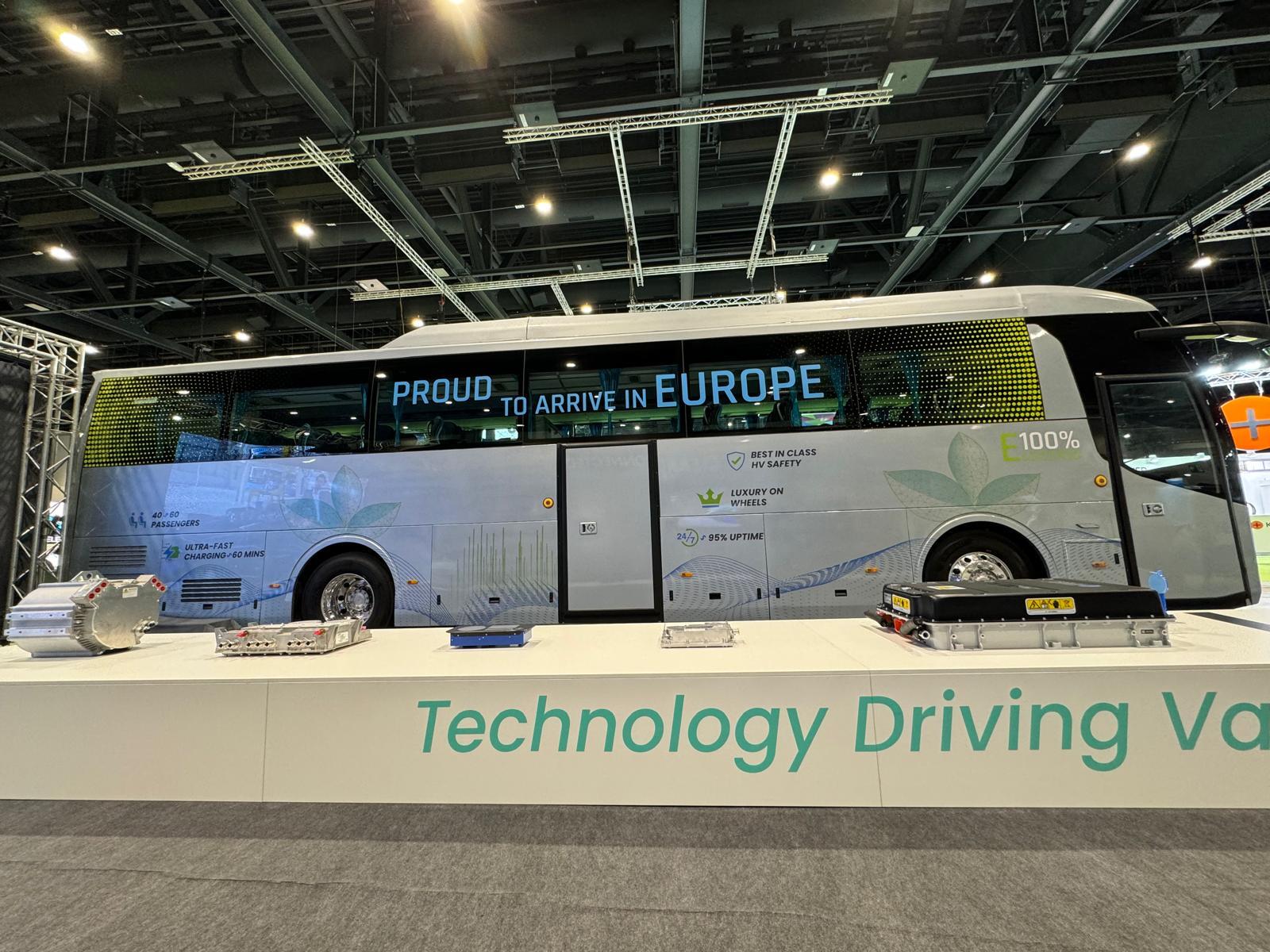
A modern electric bus carries a fair amount of intelligence. A battery management system watches the pack, regenerative braking recovers energy at every stop, and real-time diagnostics, connected fleet management, predictive maintenance and remote monitoring feed data back to the depot. For a depot manager that means knowing which vehicle needs attention before it strands passengers, and which routes are consuming more energy than they should.
The IEA has noted plans to deploy 50,000 electric buses in India under various national programmes. Reaching that number depends less on the buses than on depot power availability, charger uptime and the discipline to keep vehicles on the road.
Commercial fleets
Electric trucks and light commercial vehicles are now working in logistics, e-commerce delivery, municipal services, industrial movement and last-mile distribution.
The operating case is fairly plain. Fewer moving parts means less routine maintenance. Electric drivetrains use energy more efficiently, so running cost per kilometre is lower. The vehicles are quieter, drivers finish a shift less worn out, and there are no tailpipe emissions in the neighbourhoods where these vehicles spend most of their time.
Commercial fleets also have an advantage private buyers do not: predictability. A delivery van covers a known route on a known schedule and parks in the same place every night. Range anxiety is a much smaller problem when the daily distance is a number in a spreadsheet. As charging coverage improves and batteries get better, the set of duty cycles that work on electric keeps widening.
The technology underneath
Artificial intelligence and fleet analytics
Fleet software now does the analysis that used to sit with an experienced supervisor and a whiteboard. It reads vehicle and operational data as it arrives, suggests better route allocation, flags maintenance before it becomes a breakdown, and works out how to use the battery without punishing it. Cloud dashboards pull energy consumption, charging status, service schedules and vehicle availability into one view.
Connected vehicles and IoT
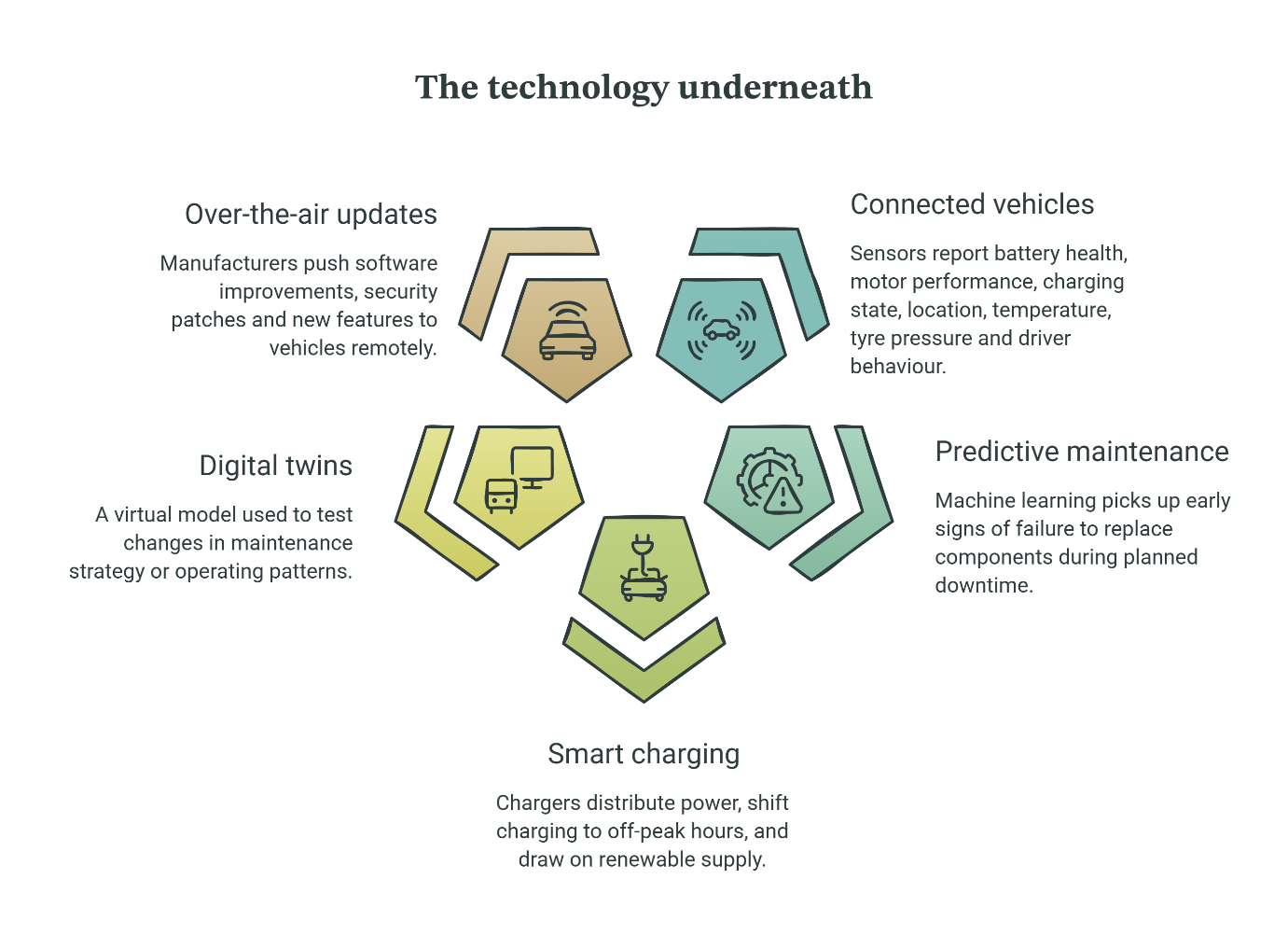
Sensors on the vehicle report battery health, motor performance, charging state, location, temperature, tyre pressure and driver behaviour. The value is less in any single reading than in noticing when one bus starts behaving differently from the other forty.
Predictive maintenance
Machine learning applied to that sensor history picks up the early signs of a failure, so a component gets replaced during planned downtime instead of on the roadside. For an operator running to a timetable, the downtime avoided is usually worth more than the part saved.
Smart charging
Chargers distribute available power across vehicles, shift charging into off-peak hours when tariffs are lower, and draw on solar or other renewable supply where the depot has it. Done properly, this keeps both the sanctioned load and the electricity bill under control.
Digital twins and over-the-air updates
A digital twin is a virtual model of a vehicle or an entire fleet, used to test changes in maintenance strategy or operating pattern before they are applied to real assets. Over-the-air updates work in the other direction, letting manufacturers push software improvements, security patches and new features to vehicles without calling them into a workshop.
Total cost of ownership, not sticker price
Purchase price is the number everyone quotes and the least useful one. What decides whether an electric fleet works is total cost of ownership across the life of the vehicle: acquisition, energy and charging, preventive and corrective maintenance, battery performance, uptime, financing, insurance and residual value.
Electric vehicles can cost more to buy in some applications. They also have far fewer mechanical components to service, and energy cost per kilometre is usually lower. Whether that adds up depends on the duty cycle, the tariff and how well the fleet is run, which is exactly why the comparison has to be modelled rather than assumed.
A proper TCO model lets an operator compare diesel, CNG and electric on the same terms over the same period, and shows the point at which the higher purchase price is paid back. Procurement teams increasingly ask for that number before they ask for a quotation.
Data is worth more than most operators realise
Every electric vehicle generates a running record of its own operation: battery health, charging patterns, route performance, driver behaviour, energy use and service history.
With telematics and cloud analytics, that record can be used to schedule charging better, keep more vehicles available, cut energy that is being wasted, coach drivers, extend battery life, plan routes and bring maintenance costs down. Individually these gains are small. Applied across a fleet over a year, they are not.
The shift is from running a fleet on experience to running it on evidence. Experience still matters. It just no longer has to work without numbers.
Batteries
Battery development sets the pace for everything else. Improvements in lithium-ion chemistry, thermal management, fast charging and battery management systems have made packs safer, more durable and quicker to charge than they were even five years ago.
A battery management system tracks temperature, voltage, charge cycles and state of charge continuously, balancing efficiency against long-term pack health. That balance is why two identical vehicles can end up with very different battery life.
Recycling and second-life use are moving as well. A pack that no longer holds enough charge for a bus can still work well in stationary storage, which extends its useful life and makes renewable generation easier to use.
The ecosystem around the vehicle
Vehicles on their own deliver none of this. What operators depend on is the combination: vehicles, battery systems, charging infrastructure, energy management, fleet software, analytics, predictive maintenance, connected services, renewable supply and after-sales support that keeps all of it running.
When those pieces are planned together, utilisation goes up, lifecycle costs come down and service gets more reliable. When they are bought separately from vendors who do not talk to each other, the gaps show up as vehicles queuing for chargers and operating data trapped in three systems that cannot be compared.
Sustainability beyond the tailpipe
Removing emissions from the vehicle is the visible part. The rest of the footprint sits in manufacturing, materials and what happens to the battery afterwards.
Manufacturers and fleet operators are working on renewable energy at plants, responsible material sourcing, more efficient production and battery recycling. Second-life applications keep used packs in service as stationary storage rather than sending them for disposal.
This is the part of the industry that will be judged over the next decade, because a clean vehicle built on a dirty supply chain does not move the number very far.
What it means for operators
Electric mobility has moved past the demonstration stage in both public transport and commercial fleets. The vehicles work. What decides whether a fleet performs is everything around them: charging sized correctly, software that tells you something useful, maintenance planned on data, and a financial model that looks at the whole life of the asset.
Most of that work is unglamorous. Depot layout, tariff negotiation, driver training, spare parts planning. It is also where two operators running identical vehicles end up with very different numbers.
Frequently asked questions
What is electric mobility?
Moving people and goods with electrically powered vehicles, together with the charging infrastructure, energy management and digital systems needed to run them.
Why does electric mobility matter for public transport?
Buses operate all day in dense areas, so removing their emissions and noise has a direct effect on the streets they run through. Connected systems also give operators tighter control over fleet availability and running costs.
How does it benefit commercial transportation?
Lower running and maintenance costs, better energy efficiency, quieter operation, and fleet management tools that show what each vehicle actually costs to run.
Which technologies are driving it?
AI-based fleet analytics, IoT sensors, connected fleet management, predictive maintenance, smart charging, cloud computing, digital twins, battery management systems and over-the-air software updates.
Why is total cost of ownership important?
It covers the full life of the vehicle, including purchase, energy, maintenance, uptime, financing and residual value. Purchase price on its own tells you very little about what a vehicle will cost to operate.