A deep dive into India’s full-stack e-mobility transition
Every morning, before most of a city wakes up, an electric bus depot comes alive. Buses that charged overnight roll out one by one, their batteries reporting health data to a control room, their routes already mapped. By the time the first commuter taps a ticket, an invisible machinery of chargers, software, and service teams has already done its work.
This is the part of India’s electric bus story that rarely makes the headlines. And it is exactly where the story is won or lost.
The Problem with Buying Buses Alone
An electric bus is not a diesel bus with a different engine. It is a rolling computer that depends on infrastructure it cannot carry with itself — chargers matched to its battery chemistry, energy management that keeps electricity costs in check, software that predicts a failure before it becomes a breakdown, and service teams that keep the vehicle in revenue service from before dawn until late into the night.
When these pieces come from different vendors with no integration between them, the gaps turn into downtime. A charger that cannot read a battery’s diagnostics. A depot that draws expensive peak-hour power because nothing is managing the load. A fault that surfaces on the road instead of in the data.
Many transit authorities have learned this the hard way: a fleet purchased without a matching infrastructure plan ends up underutilised, and commuters feel it first. This is why a platform approach to e-mobility has emerged as the alternative — vehicle, battery, charger, software, and operations engineered as one system.
Anatomy of a Full-Stack E-Mobility Platform
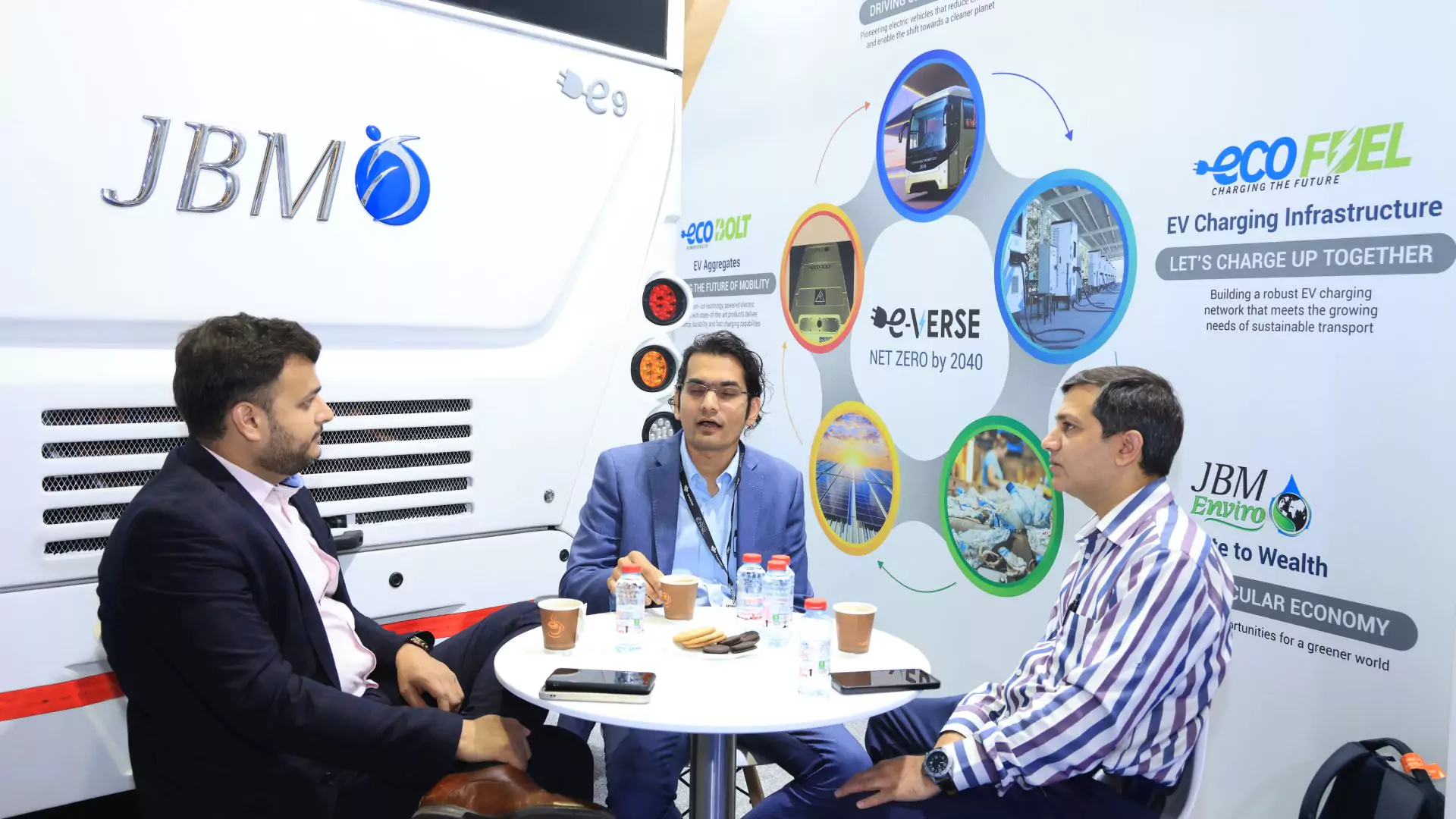
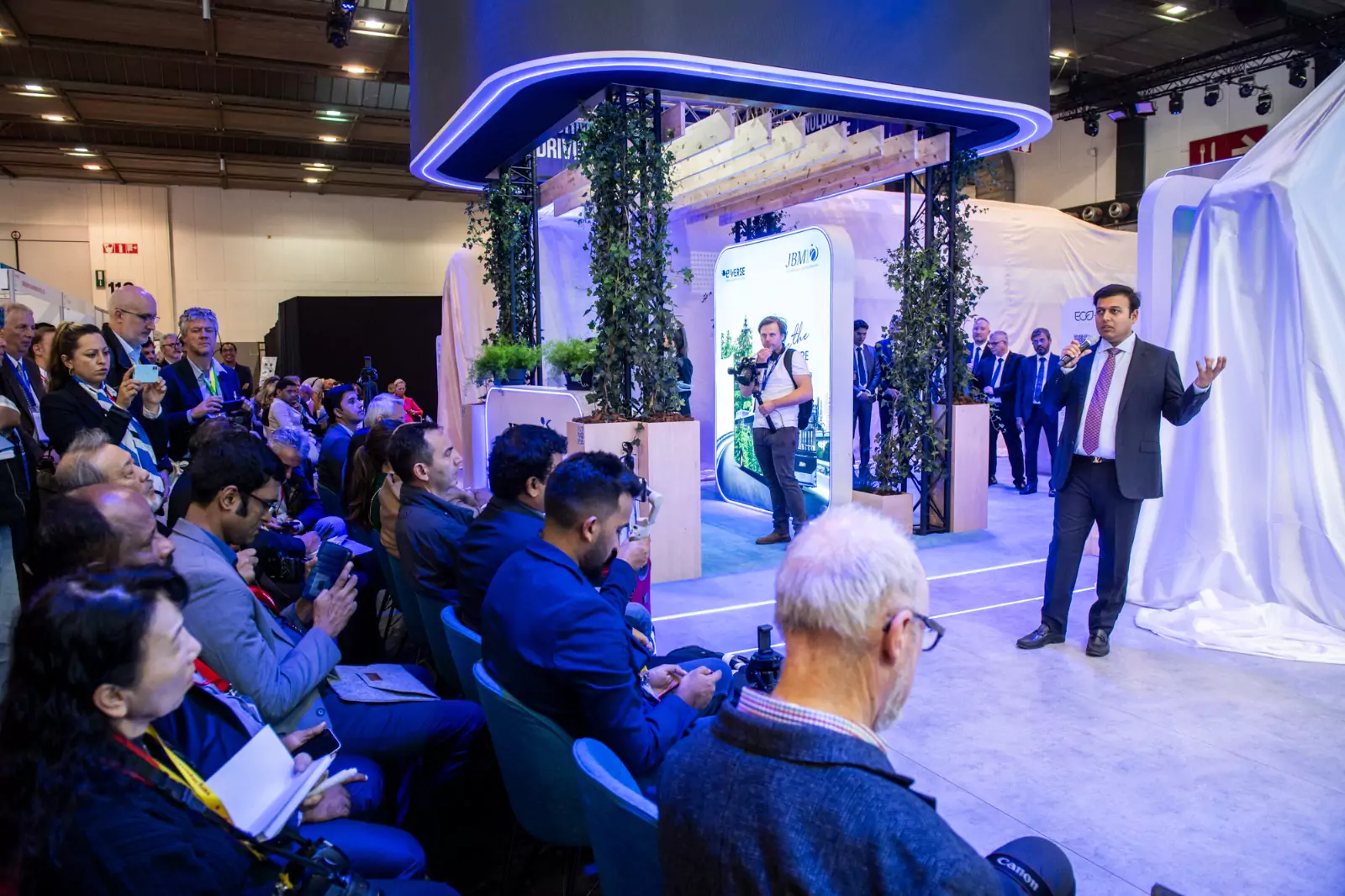
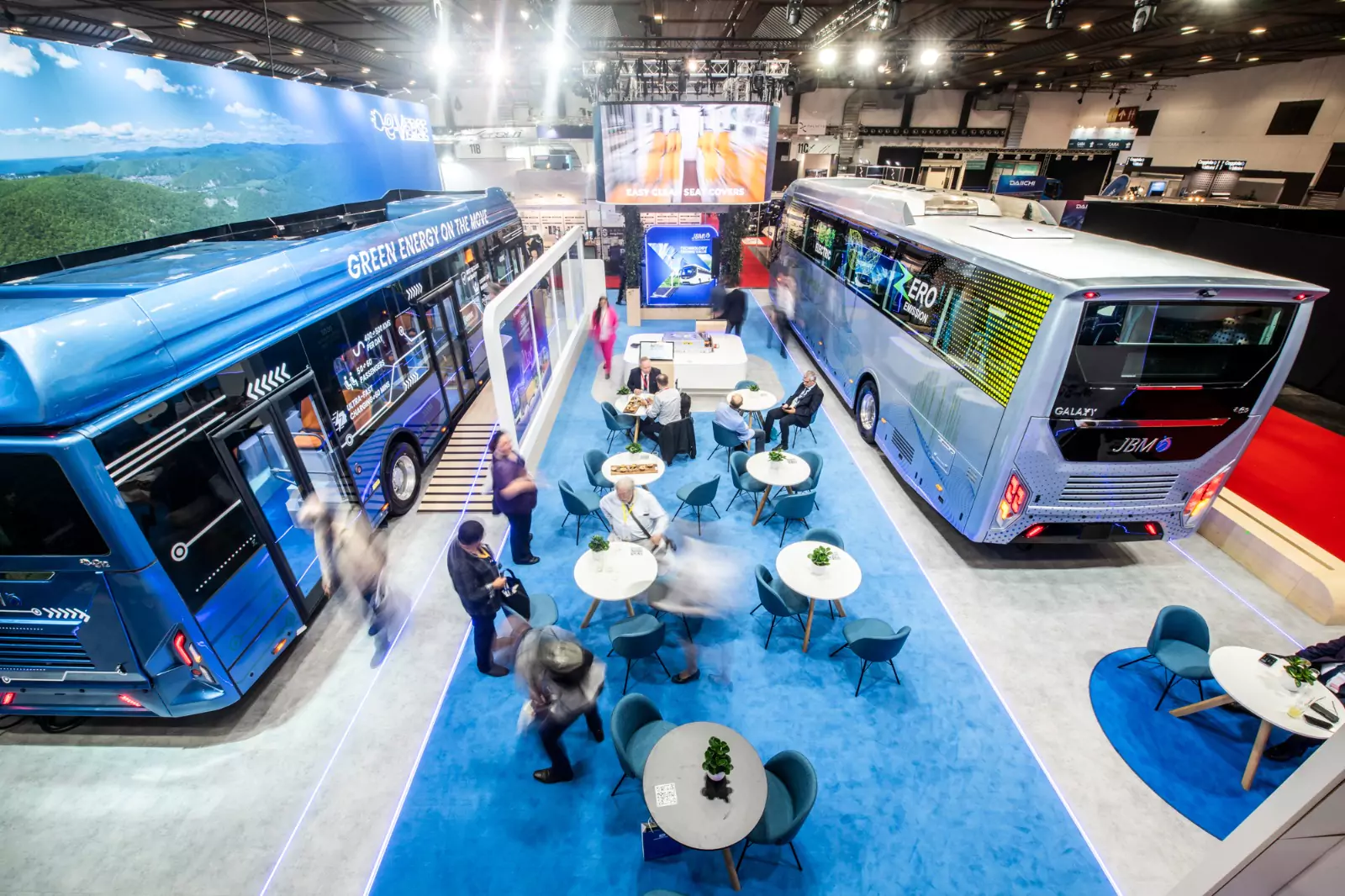
JBM’s platform, branded E-Verse, delivers what the industry calls Electric Mobility-as-a-Service (eMaaS). It is engineered around the two outcomes that matter most to any fleet operator: optimum Total Cost of Ownership and maximum operational uptime. Understanding its layers explains how an integrated depot actually works — and why integration is the whole point.
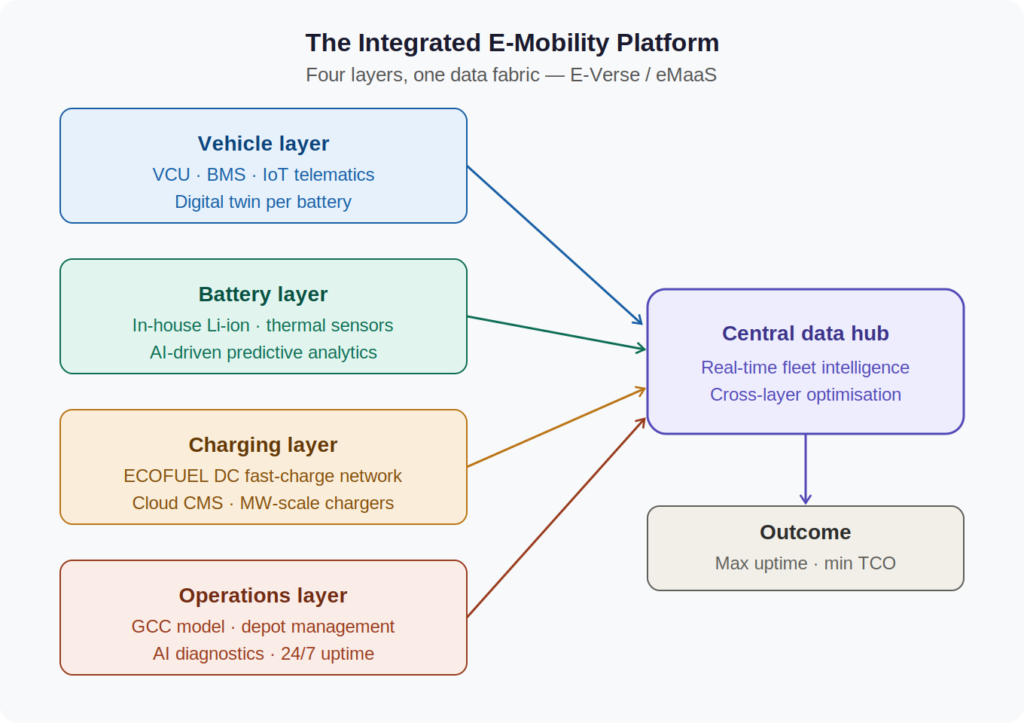
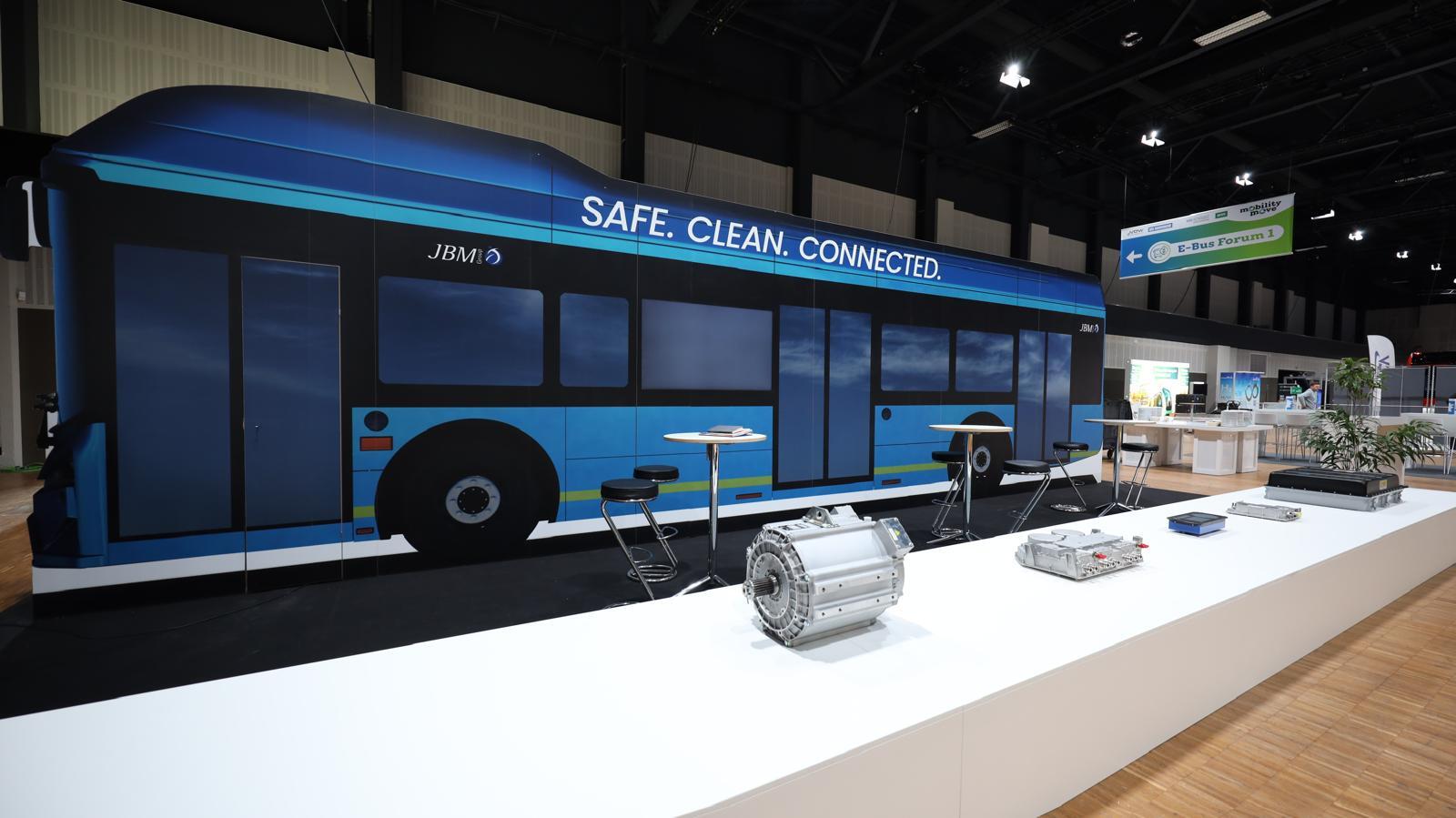
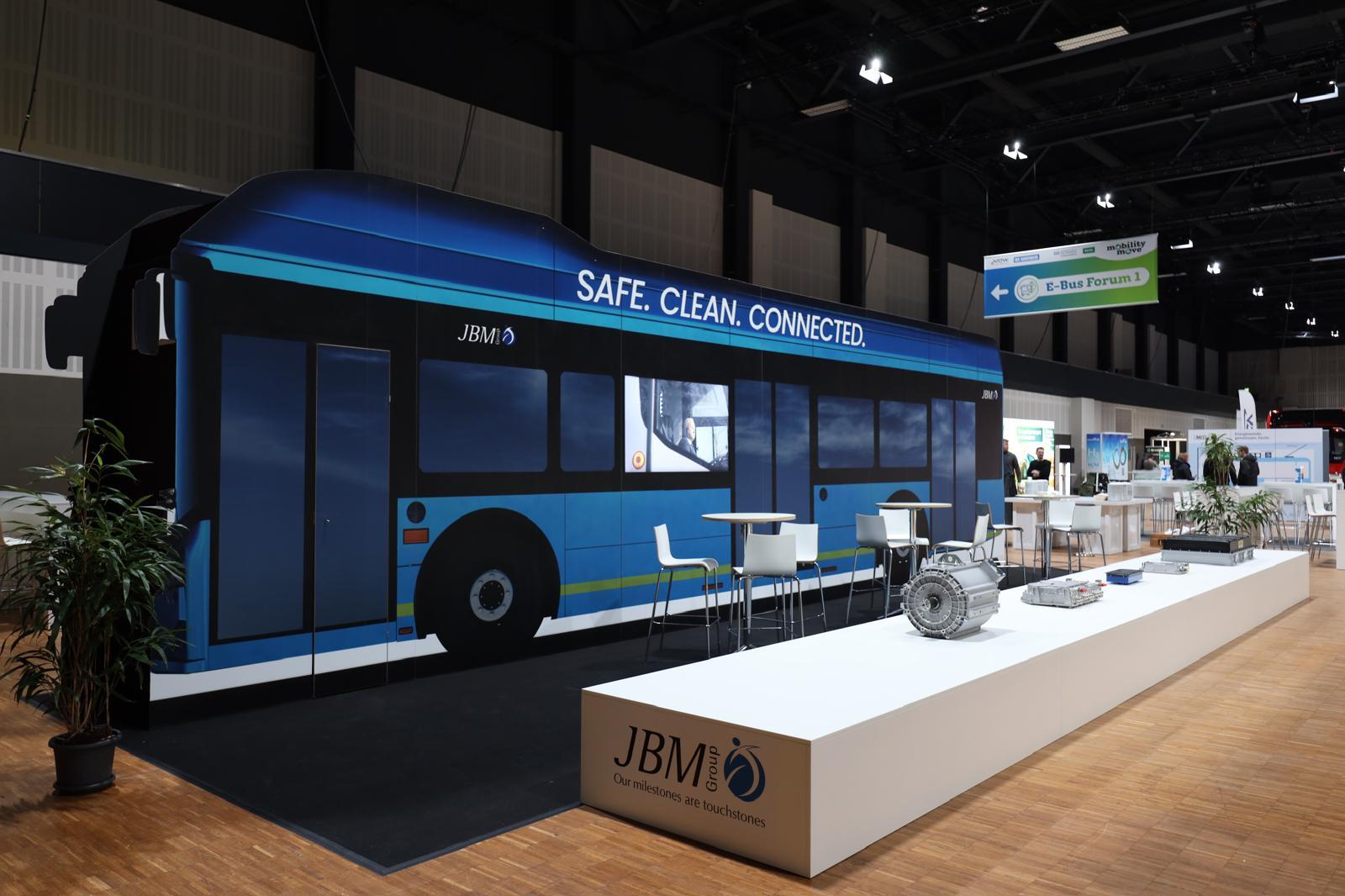
The vehicle layer: Every bus runs on a Vehicle Control Unit and Battery Management System that together manage propulsion, climate control, braking, and energy flow. IoT-enabled telematics handle fleet tracking, performance analytics, and route optimisation, while digital twin technology keeps a live virtual model of each battery.
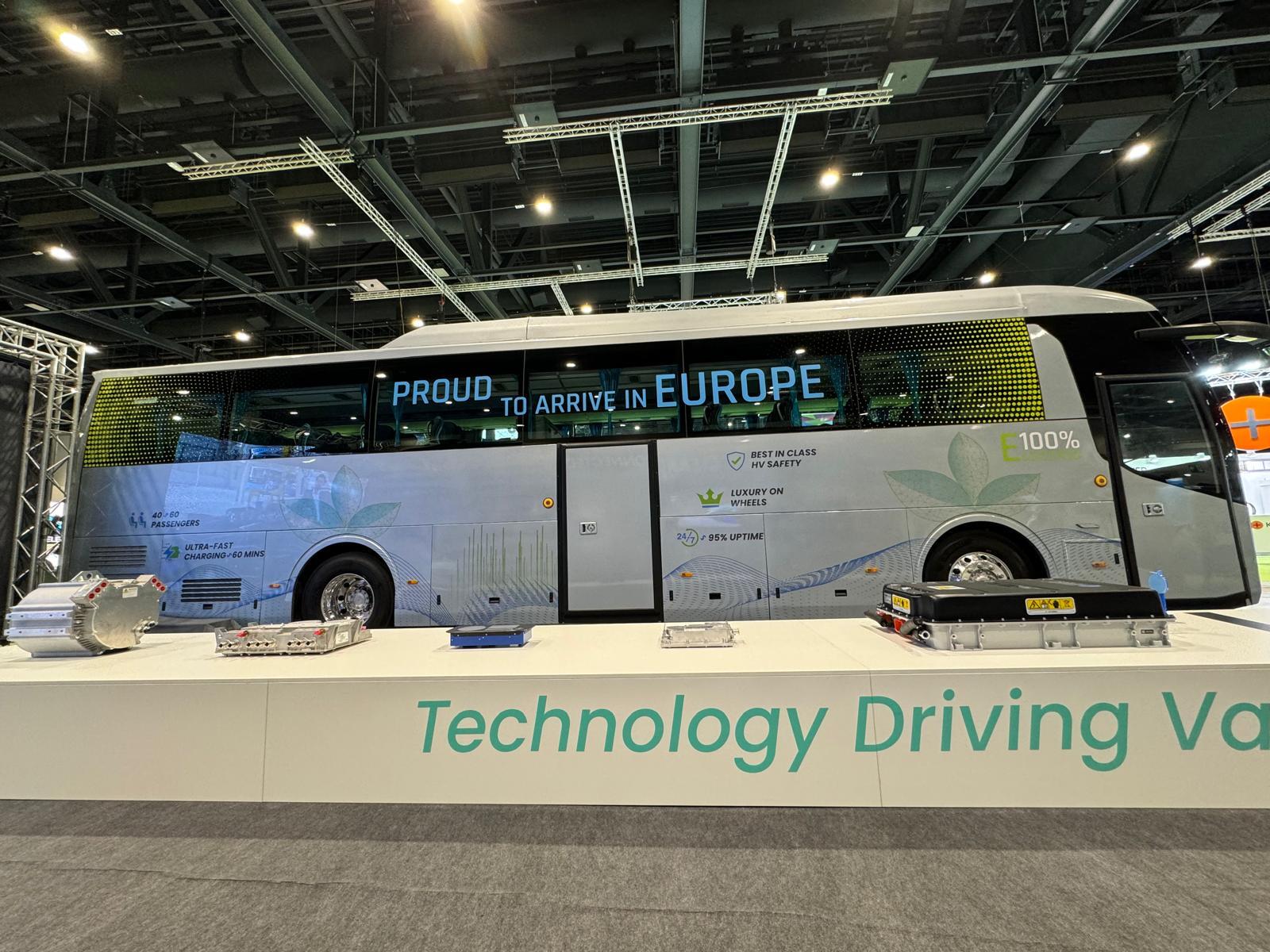
The battery layer: The platform is anchored by in-house manufacturing of new-generation lithium-ion batteries with sensor-based thermal controls, real-time diagnostics, and AI-driven analytics. Vast streams of data flow from every battery, every day.
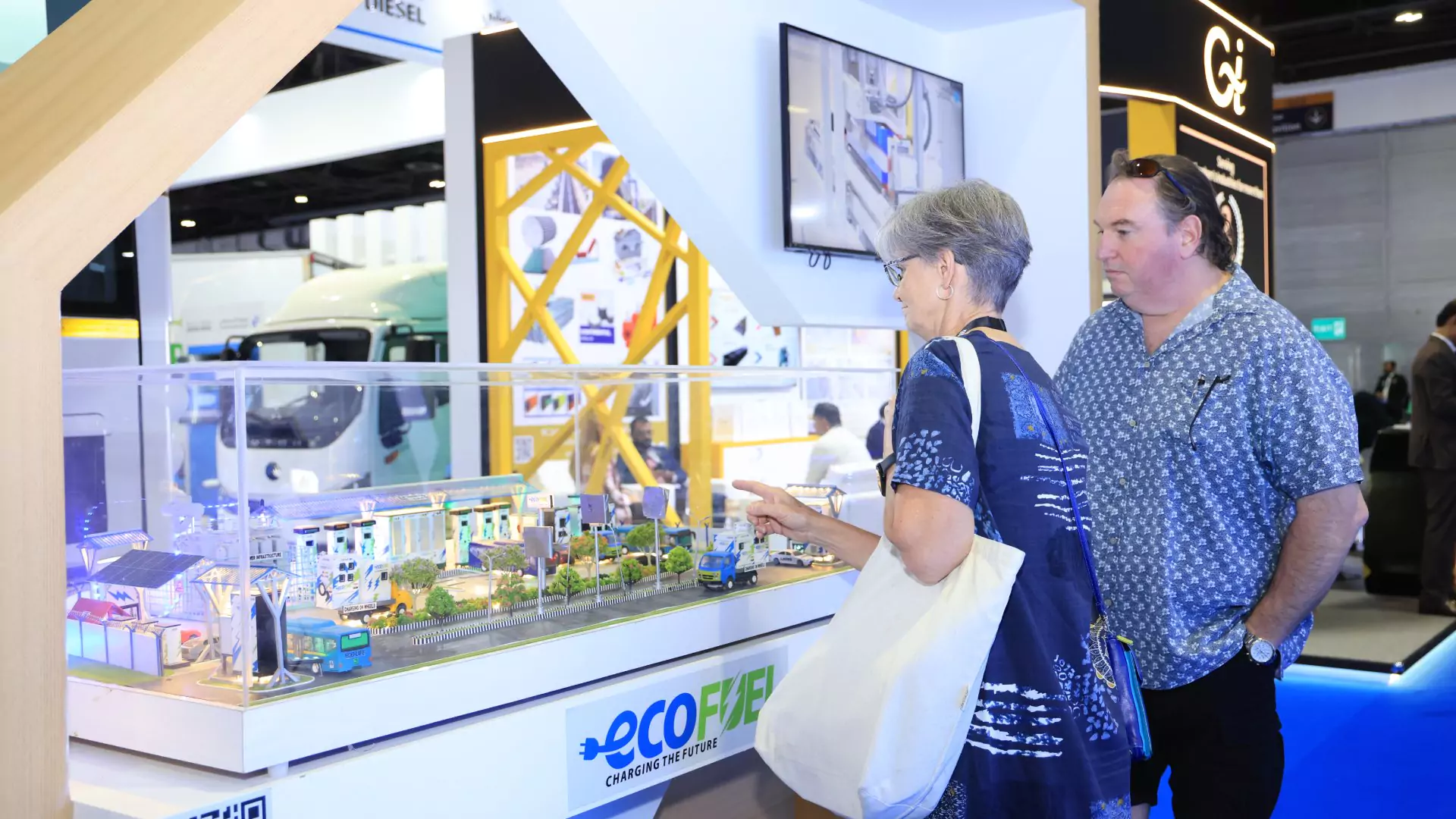
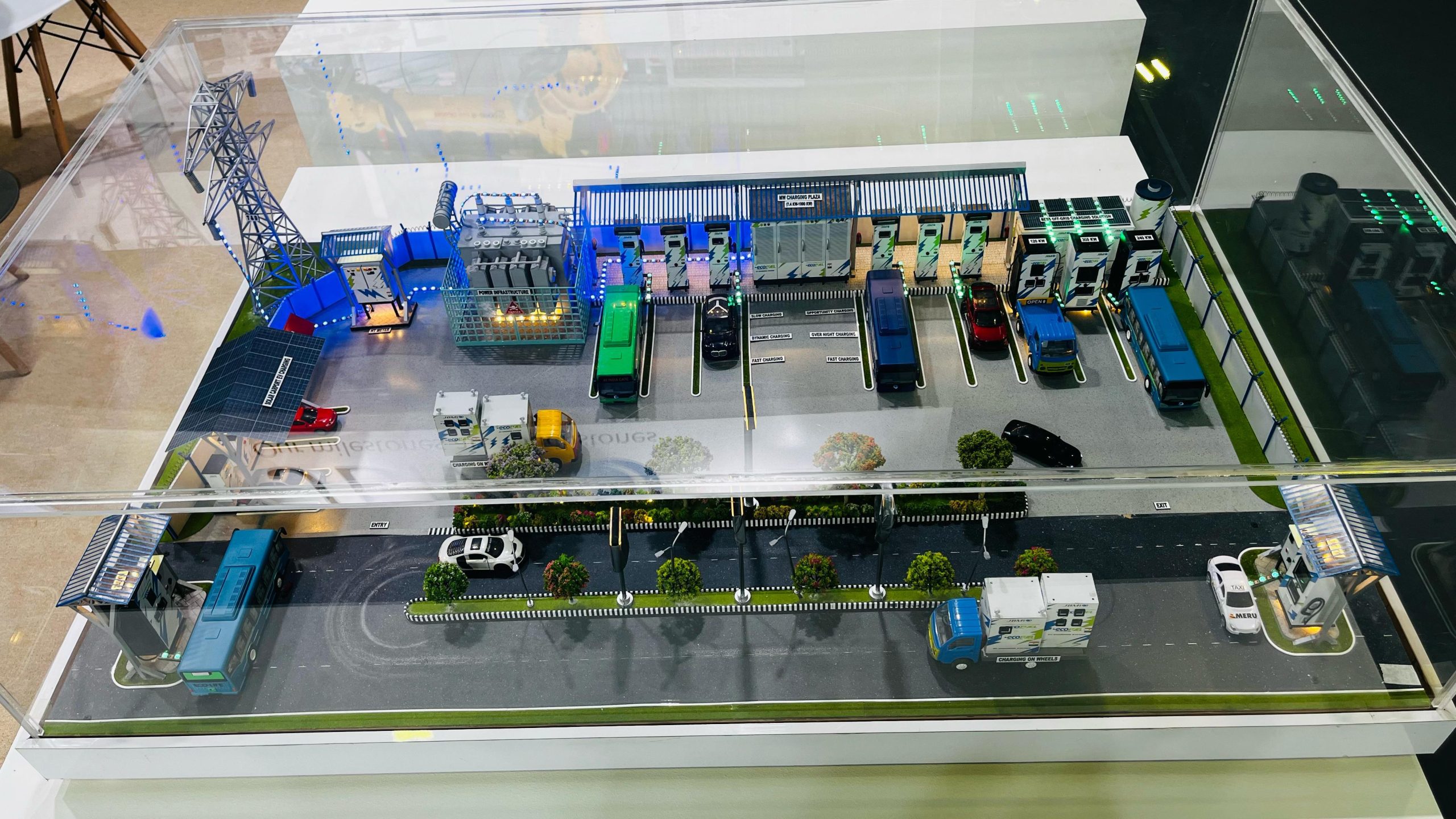
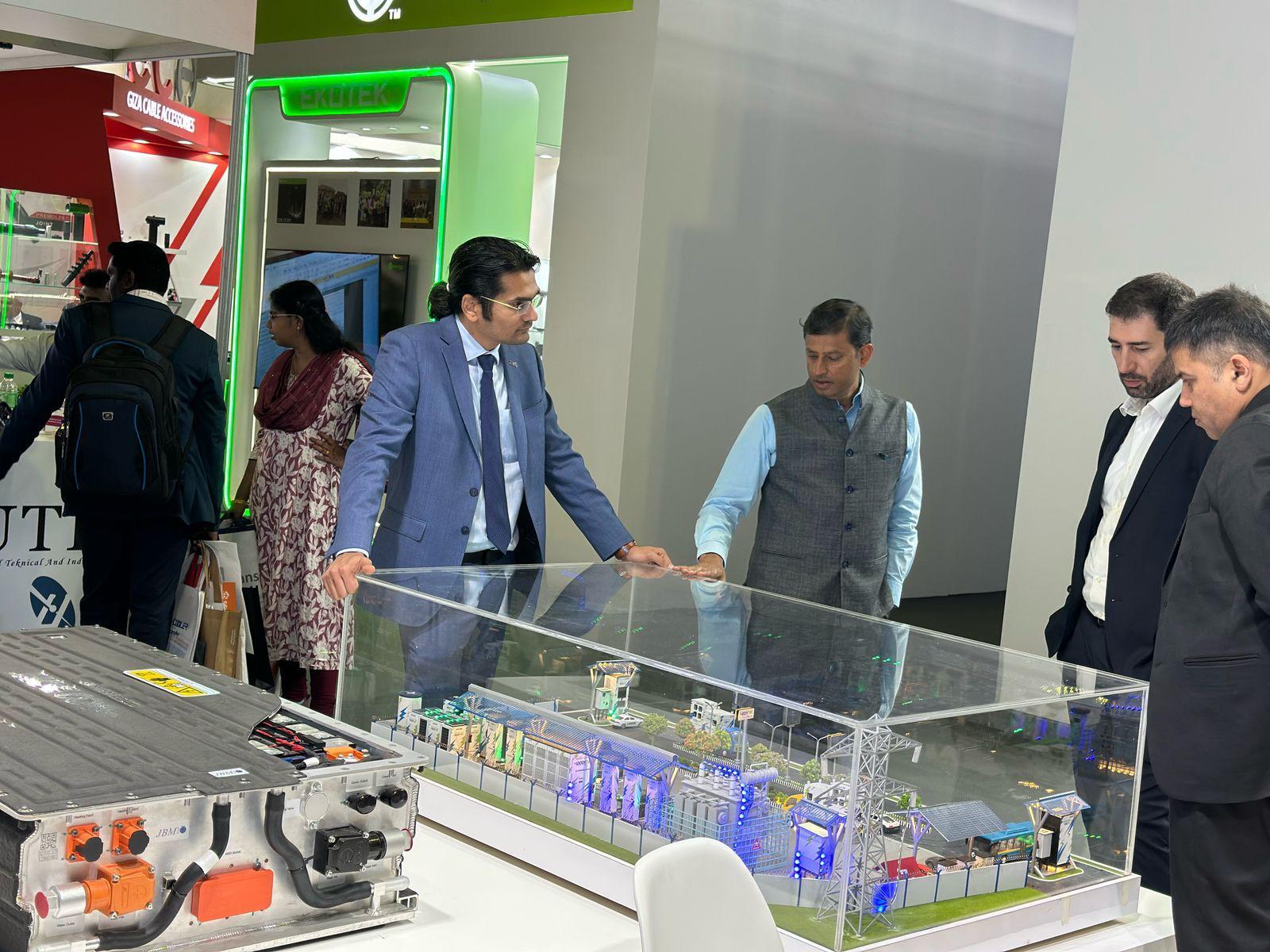
The charging layer: The proprietary ECOFUEL network combines fast chargers, including megawatt-scale systems, with a cloud-based Charger Management System. The software integrates data on energy loads, equipment status, and usage, enabling centralised control and smarter power consumption.
The operations layer: Under the Gross Cost Contract (GCC) model, the platform provider takes full operational responsibility — depot management, charging, maintenance, and fleet monitoring — rather than simply supplying equipment.
What the GCC Model Changes
For transit authorities evaluating electrification, the procurement model is as important as the technology itself. The Gross Cost Contract fundamentally rebalances who carries risk — and who has the incentive to keep every bus running.
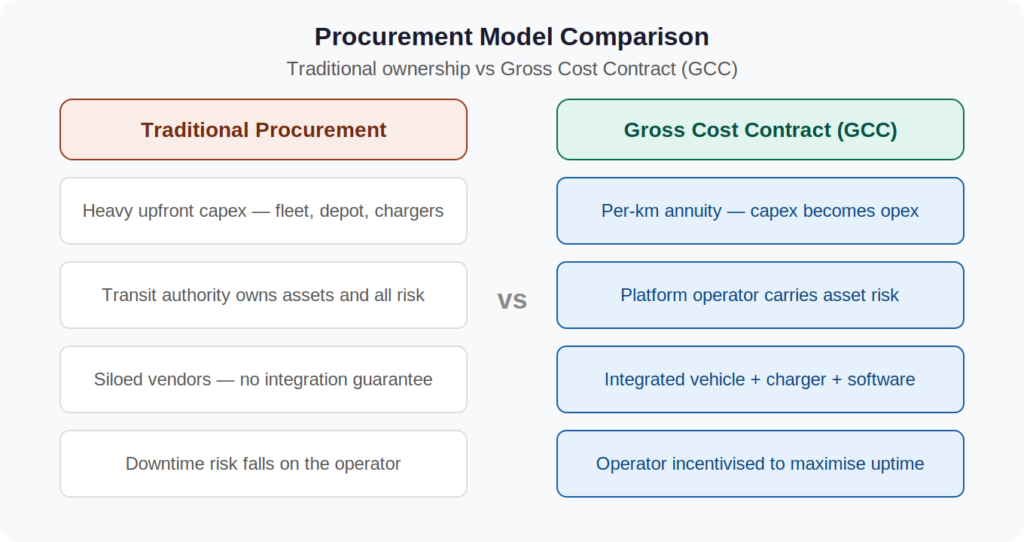
Under GCC, annuity-based contracts convert a heavy upfront capital problem into a predictable operating expense. The transit authority pays for kilometres of reliable service rather than owning and maintaining complex assets, while the operator carries the responsibility — and the incentive — to keep every bus running. That is precisely what makes fleet electrification bankable, and it explains why global development institutions such as the Asian Development Bank and the Asian Infrastructure Investment Bank have backed GCC-based deployments.
What This Looks Like on the Ground
The proof of a platform is in daily revenue service, not in brochures.
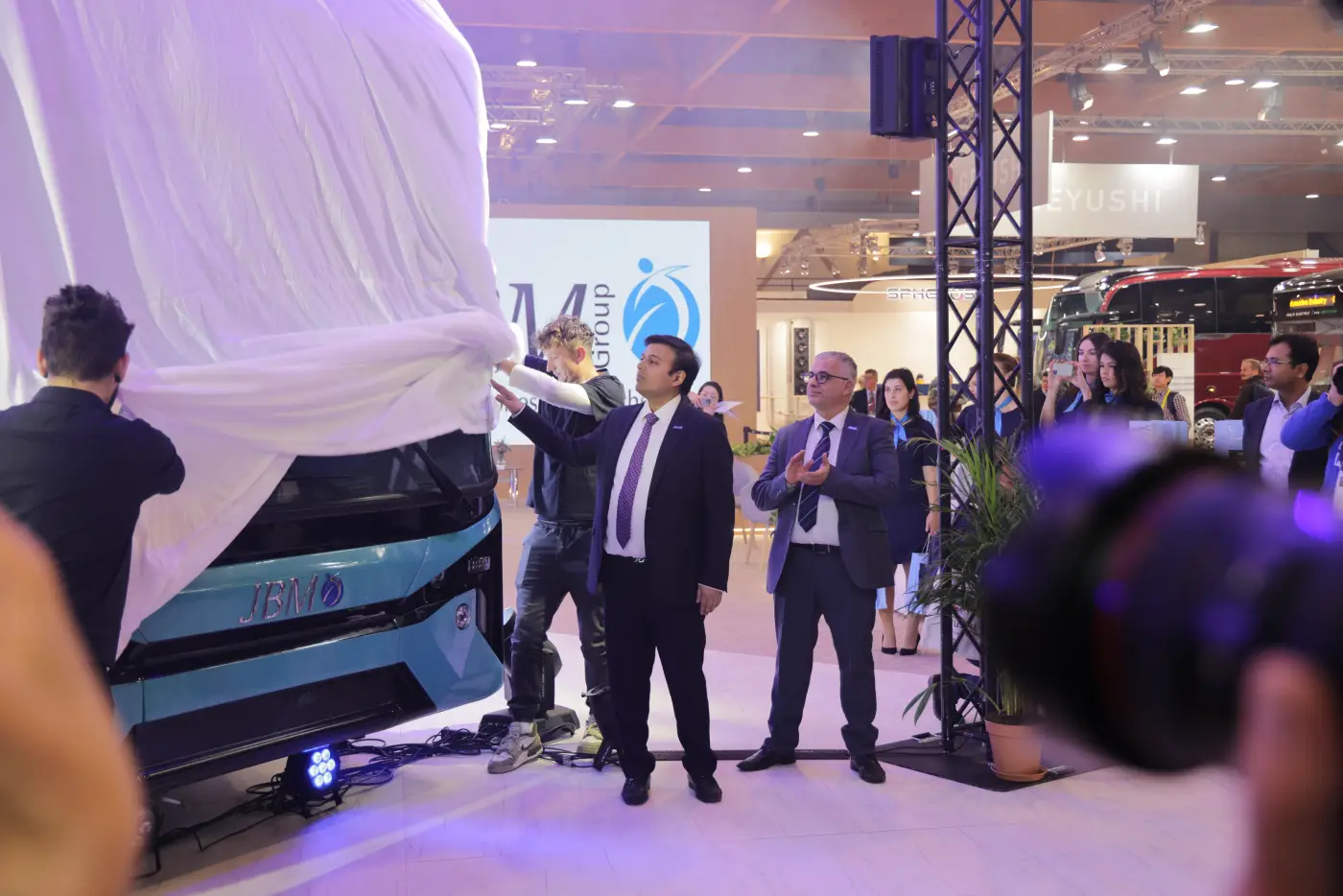
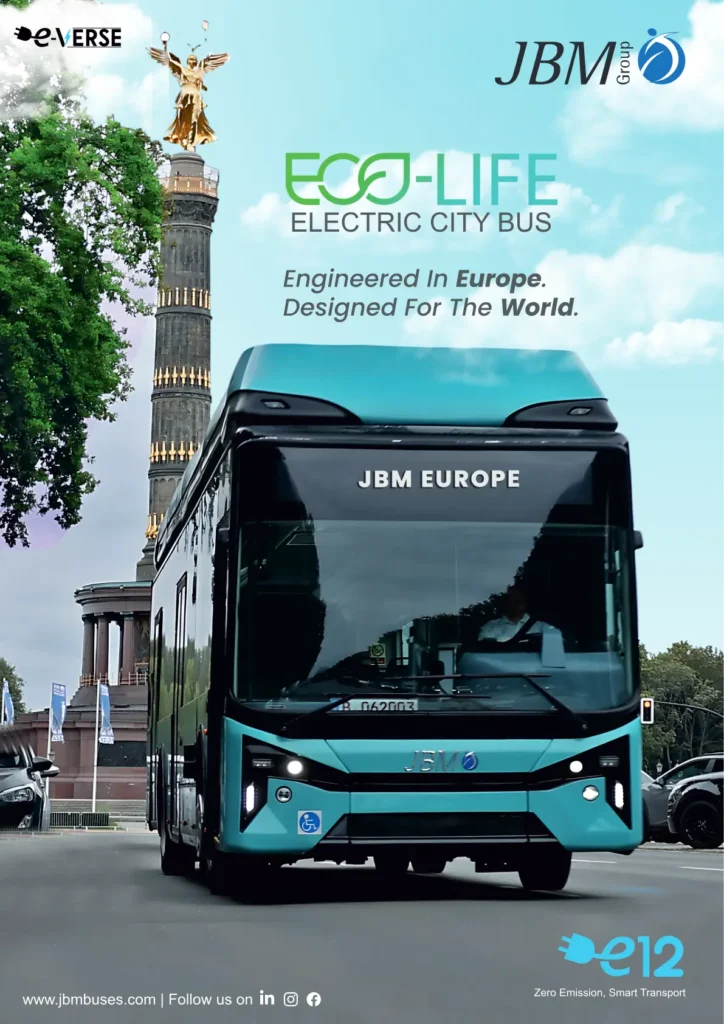
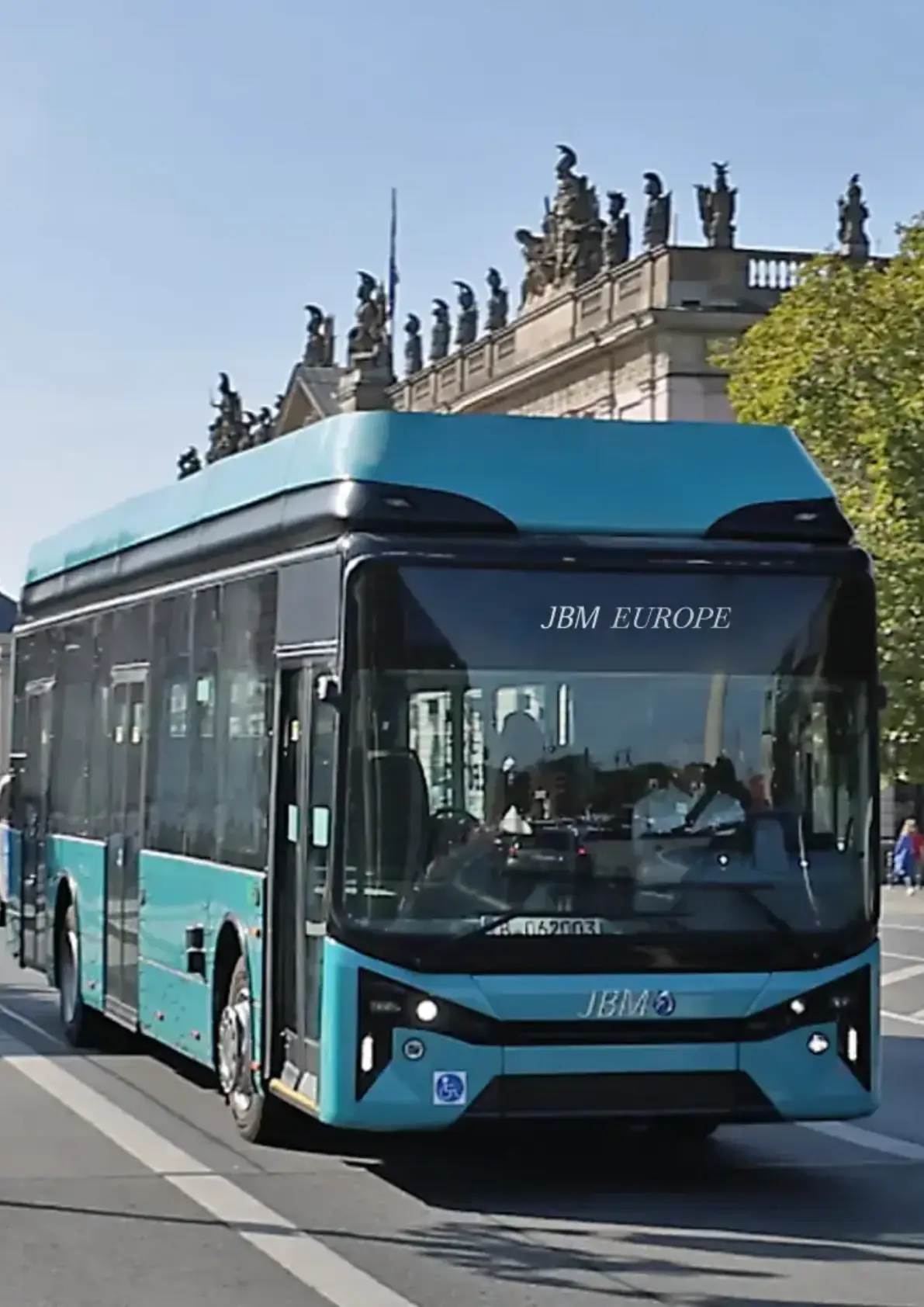
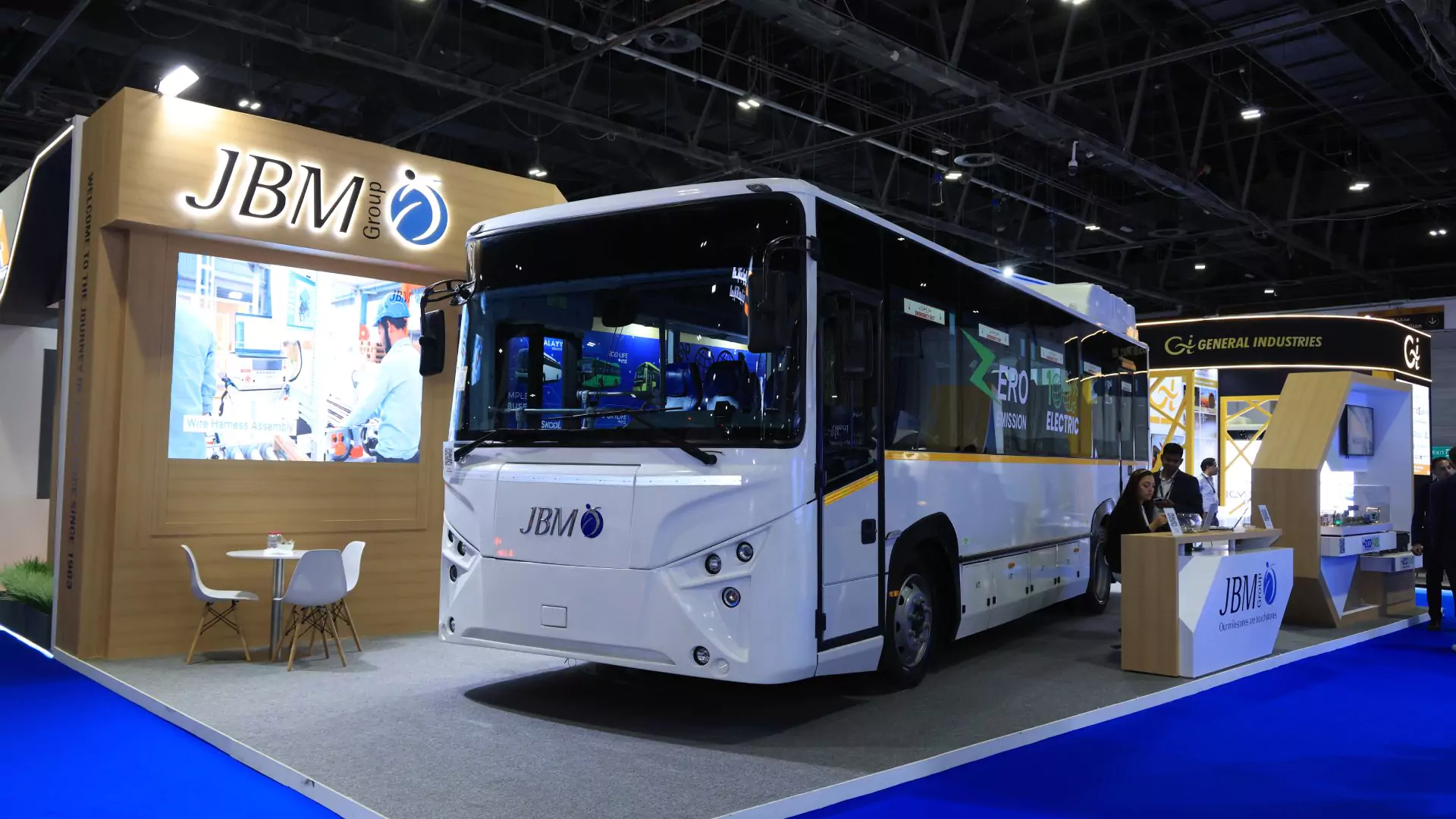
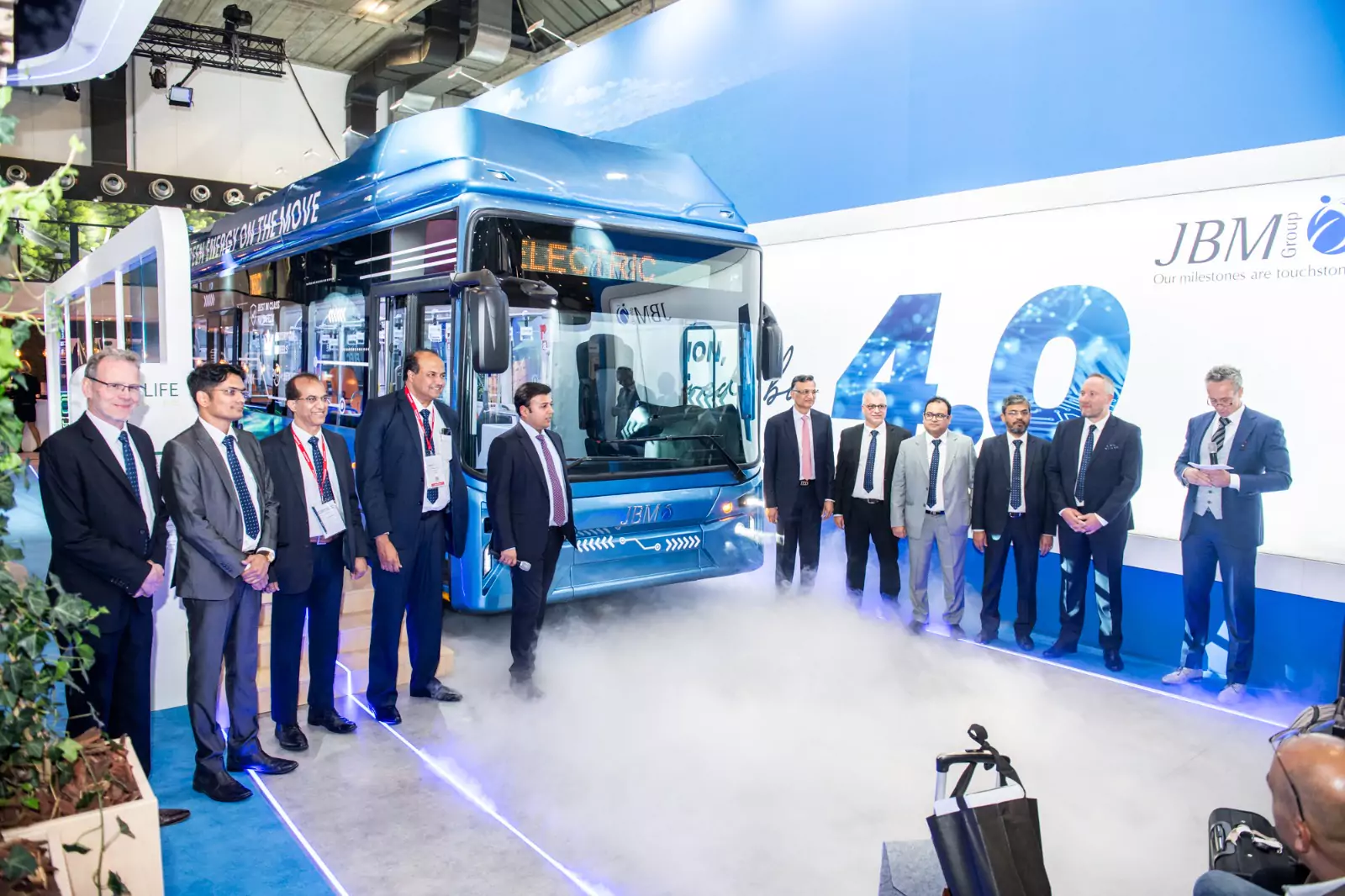
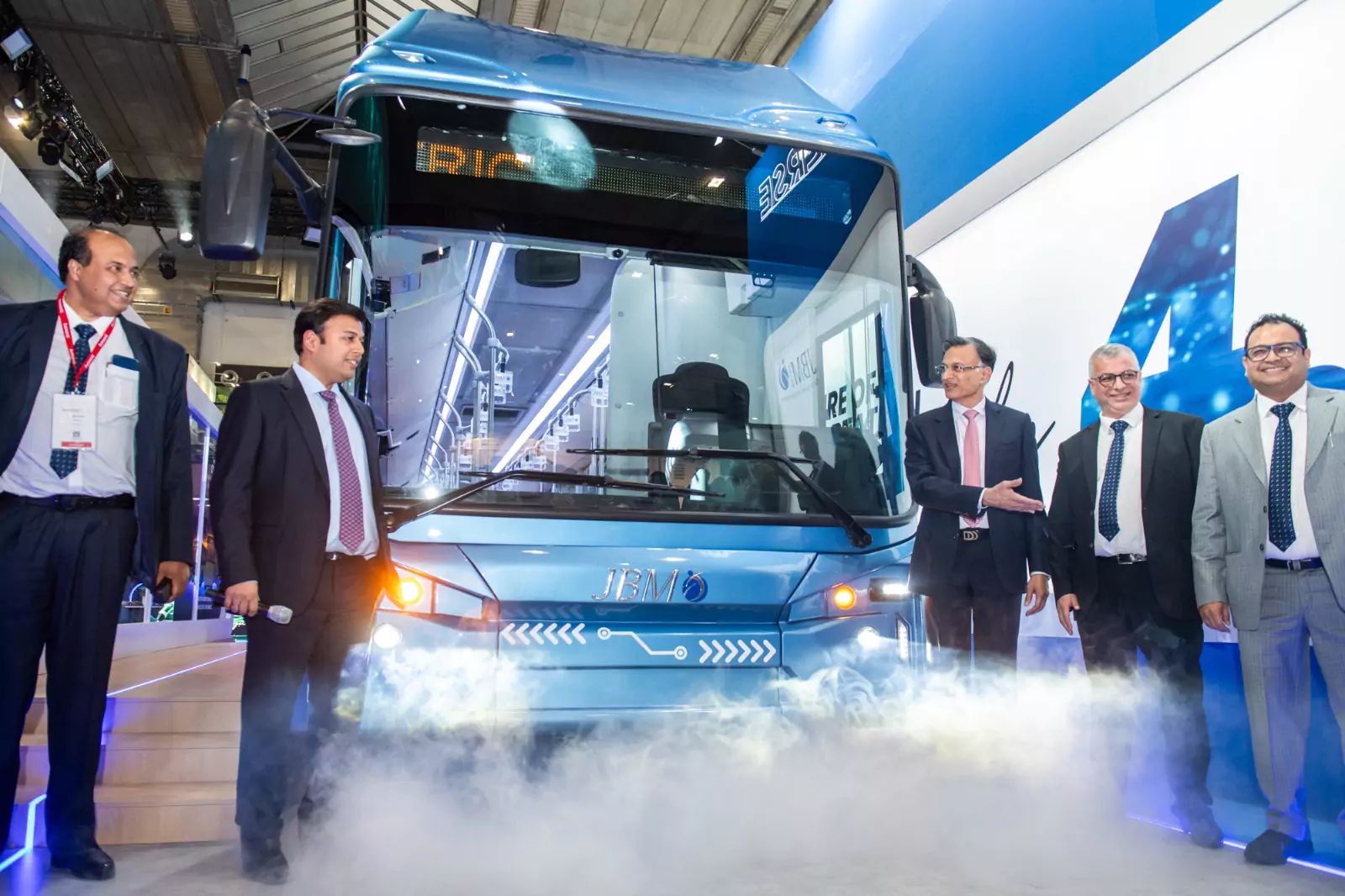
In Delhi, ECOLIFE electric buses flagged off under the Delhi Electric Vehicle Interconnector (DEVi) initiative now strengthen last-mile connectivity across the capital, operating out of dedicated depot infrastructure. Each electric bus, over its lifecycle, eliminates substantial volumes of diesel consumption and carbon emissions compared to its conventional counterpart — multiplied across a citywide fleet, the impact reshapes a city’s air.
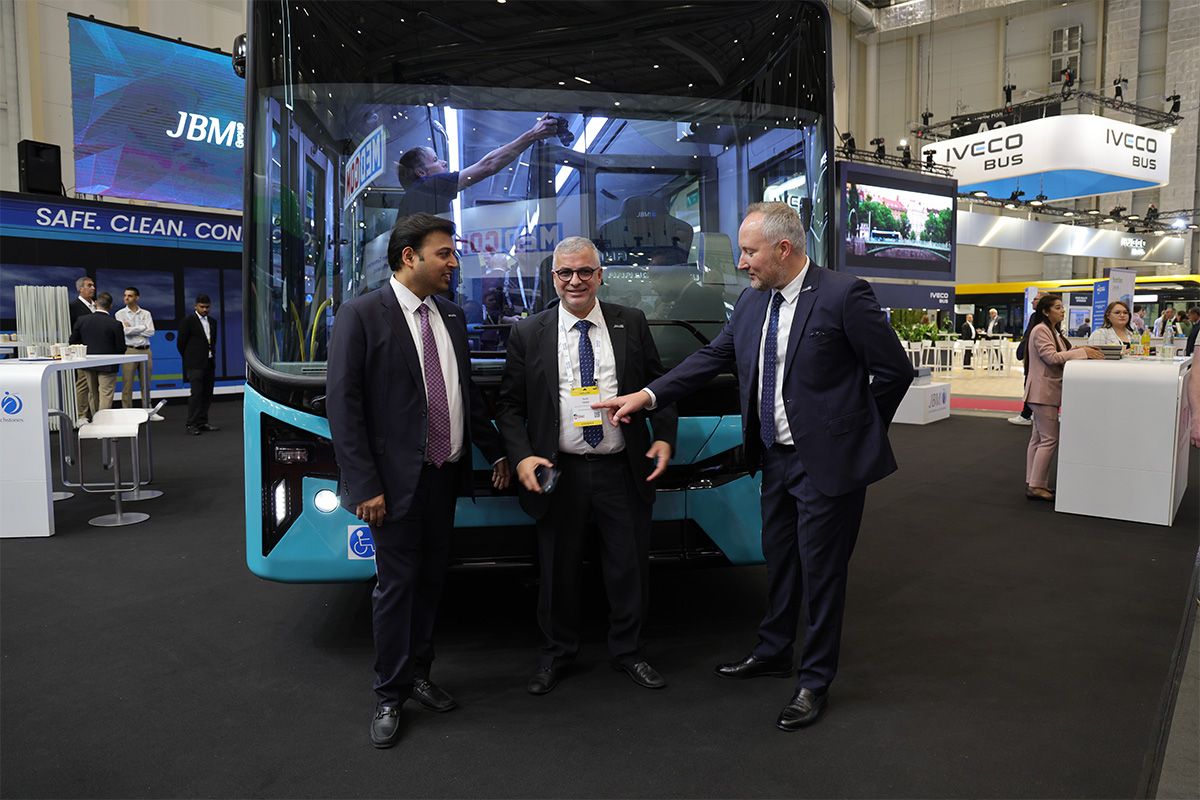
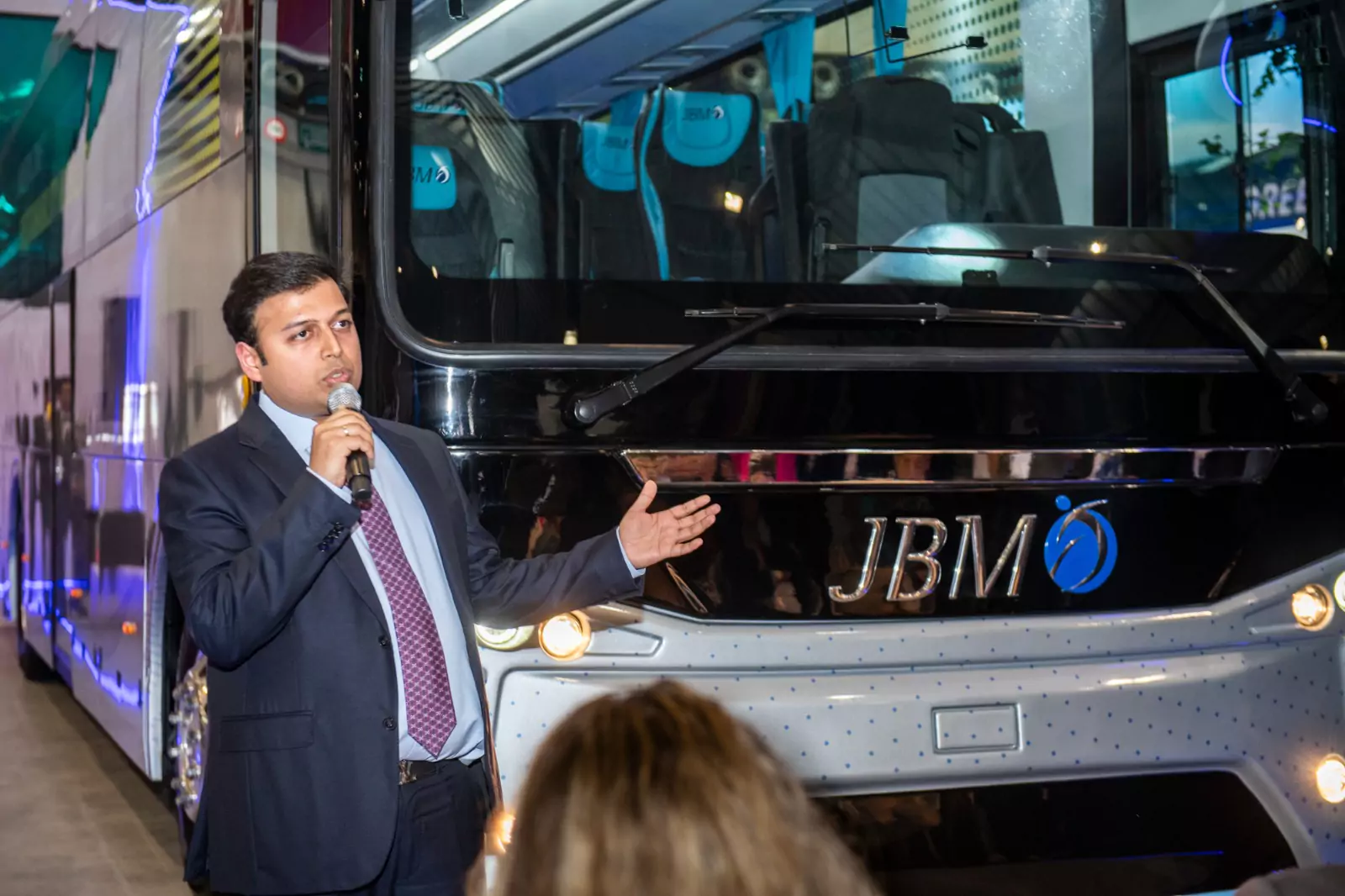
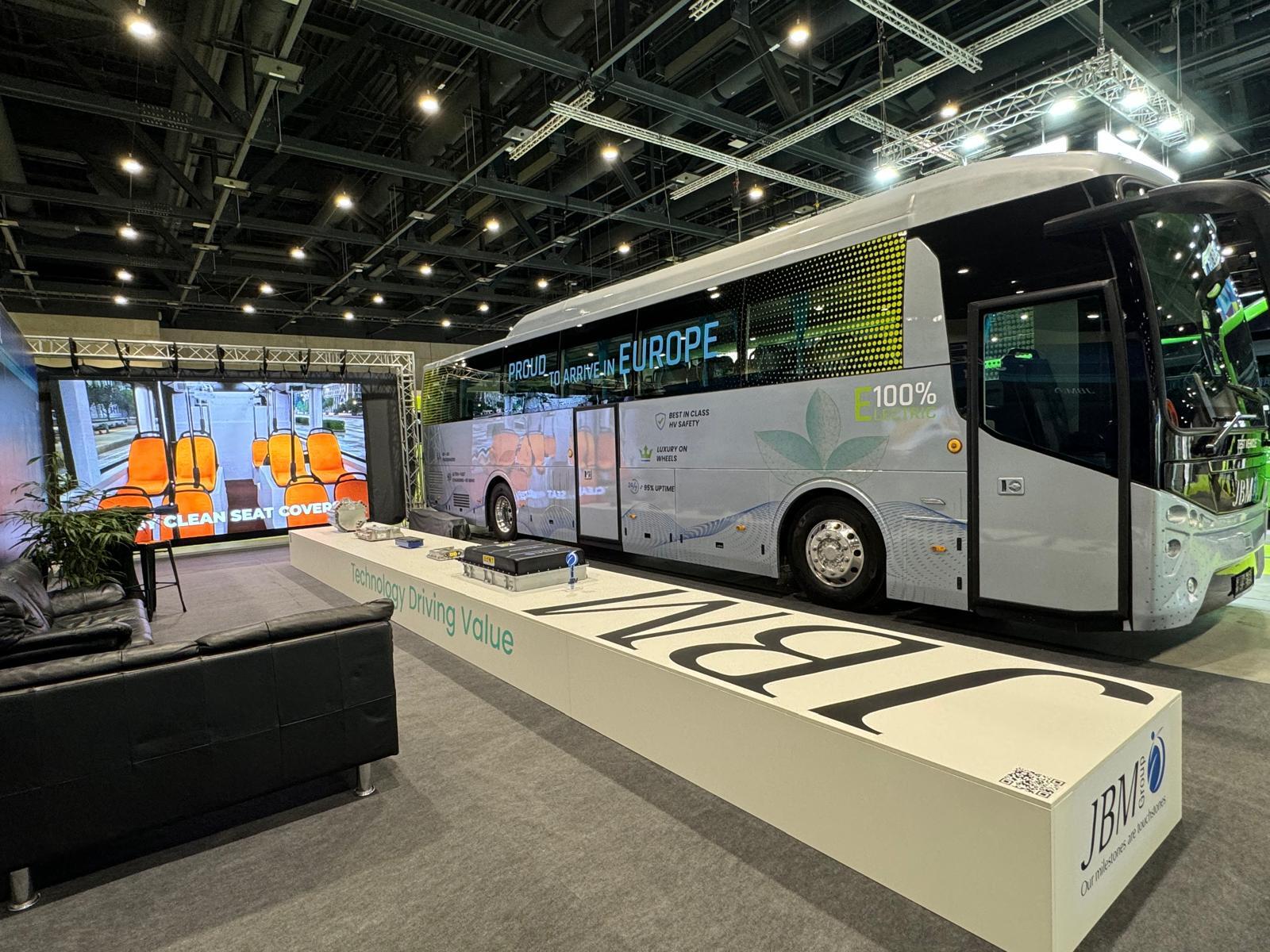
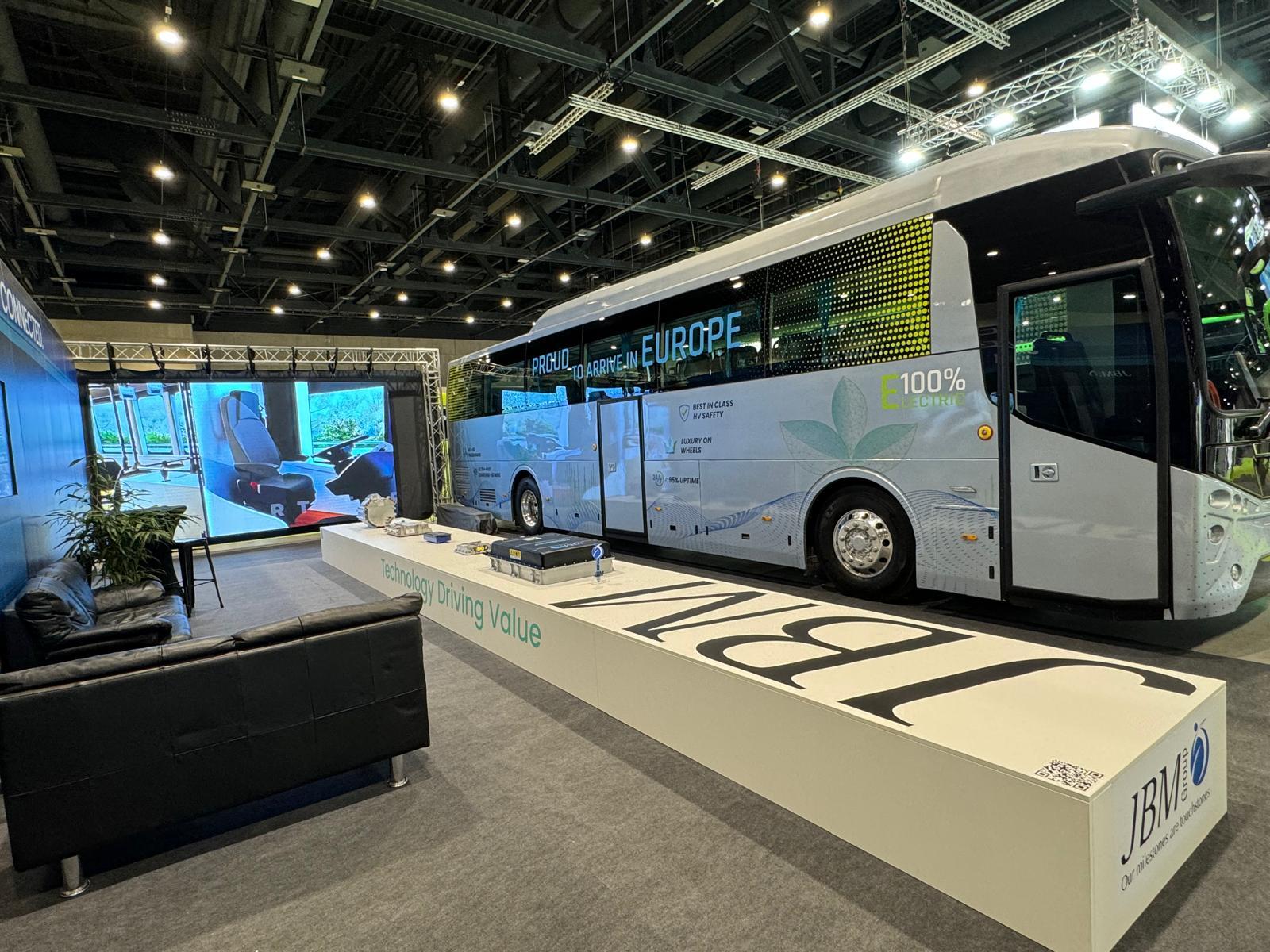
Nationally, the platform’s buses run across dozens of depots in cities spanning multiple states, supported by a large skilled workforce and an expanding charging footprint. The platform model has also stretched the definition of what an electric bus can be — from a low-floor Medical Mobile Unit to an electric luxury sleeper coach engineered for long intercity ranges.
The Policy Tailwind Behind Depot Electrification
India’s policy environment has aligned strongly with depot-scale electrification. Central programmes such as PM e-Bus Sewa, PM E-DRIVE, and the longer-term Bharat Urban Megabus Mission are building a procurement-ready pipeline for electric buses across Indian cities.
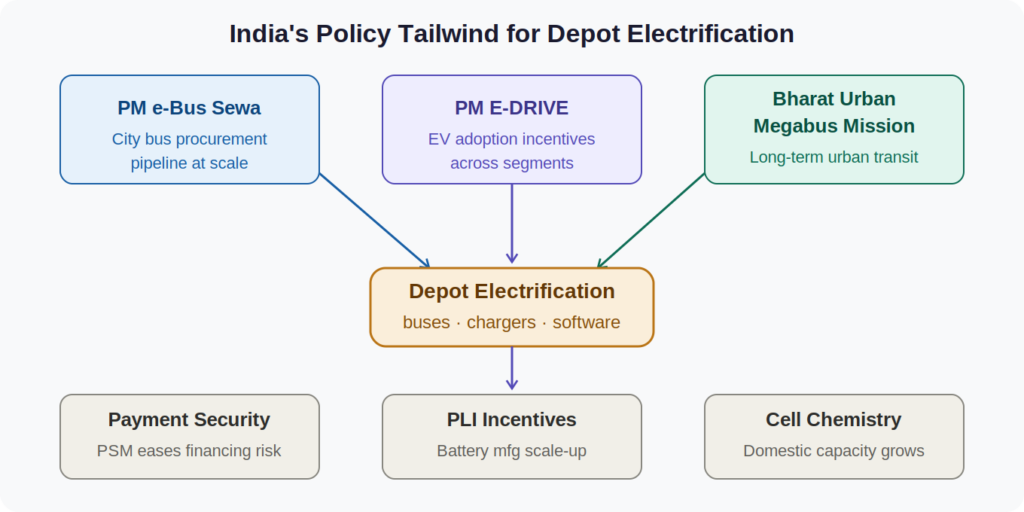
The Payment Security Mechanism has eased the historical pain points of financing risk and payment delays that once kept operators away. Meanwhile, the supply side is scaling in parallel — domestic battery manufacturing capacity is projected to multiply over the coming years, supported by production-linked incentives and advances in cell chemistry.
JBM participates in this pipeline as an implementation partner under PM e-Bus Sewa, deploying buses across cities in multiple states under the scheme. The company has committed to achieving Net Zero decades ahead of India’s national target — a commitment that only an integrated, electrified, data-driven operation can credibly make.
The Depot Is the Destination
India’s electric bus transition will not be decided in showrooms or expo halls. It will be decided at depots — in whether buses charge reliably overnight, whether a fault is caught before it becomes a breakdown, whether a fleet runs its full duty cycle day after day.
A decade of operating experience points to a clear conclusion: electrification succeeds when the bus, the battery, the charger, the software, and the service are designed as one system rather than assembled from parts. For India’s transit authorities, fleet operators, and urban planners, that is the real lesson. The technology is ready. The question is whether the ecosystem around it is.
Frequently Asked Questions
Q1. What is a full-stack e-mobility platform?
A full-stack e-mobility platform integrates electric vehicles, battery systems, charging infrastructure, fleet management software, and operations and maintenance into a single architecture. JBM’s E-Verse platform delivers this as Electric Mobility-as-a-Service (eMaaS), engineered for optimum Total Cost of Ownership and maximum operational uptime.
Q2. Why do electric bus deployments fail without integrated infrastructure?
Because the vehicle is only one part of the system. Without chargers matched to the fleet, smart energy management, predictive maintenance software, and trained service teams, operators face downtime, high power costs, and underutilised assets. Integration ensures data flows seamlessly between bus, battery, charger, and control room.
Q3. What charging infrastructure supports electric bus depots?
Depot electrification combines DC fast chargers — including megawatt-scale systems for heavy-duty fleets — with cloud-based charger management that tracks energy loads, equipment health, and usage in real time. Networks such as JBM’s ECOFUEL also support interoperability with other EV platforms and charge point operators, alongside turnkey services from site feasibility to round-the-clock maintenance.
Q4. What is the Gross Cost Contract (GCC) model in public transport?
Under GCC, the operator takes full responsibility for deploying and running the fleet — vehicles, charging, maintenance, and monitoring — while the transit authority pays for reliable service on a per-kilometre or annuity basis. This converts large upfront capital costs into predictable operating expenses, which is why global development institutions have backed GCC-based electric bus deployments.
Q5. How do electric buses contribute to sustainability goals?
Every electric bus in service displaces diesel consumption and avoids carbon emissions across its lifecycle, while integrated depots managed with smart energy systems reduce waste further. Operated at fleet scale, this supports city-level air quality goals and national Net Zero commitments — and platform operators with in-house manufacturing and renewable integration can compress those timelines significantly.