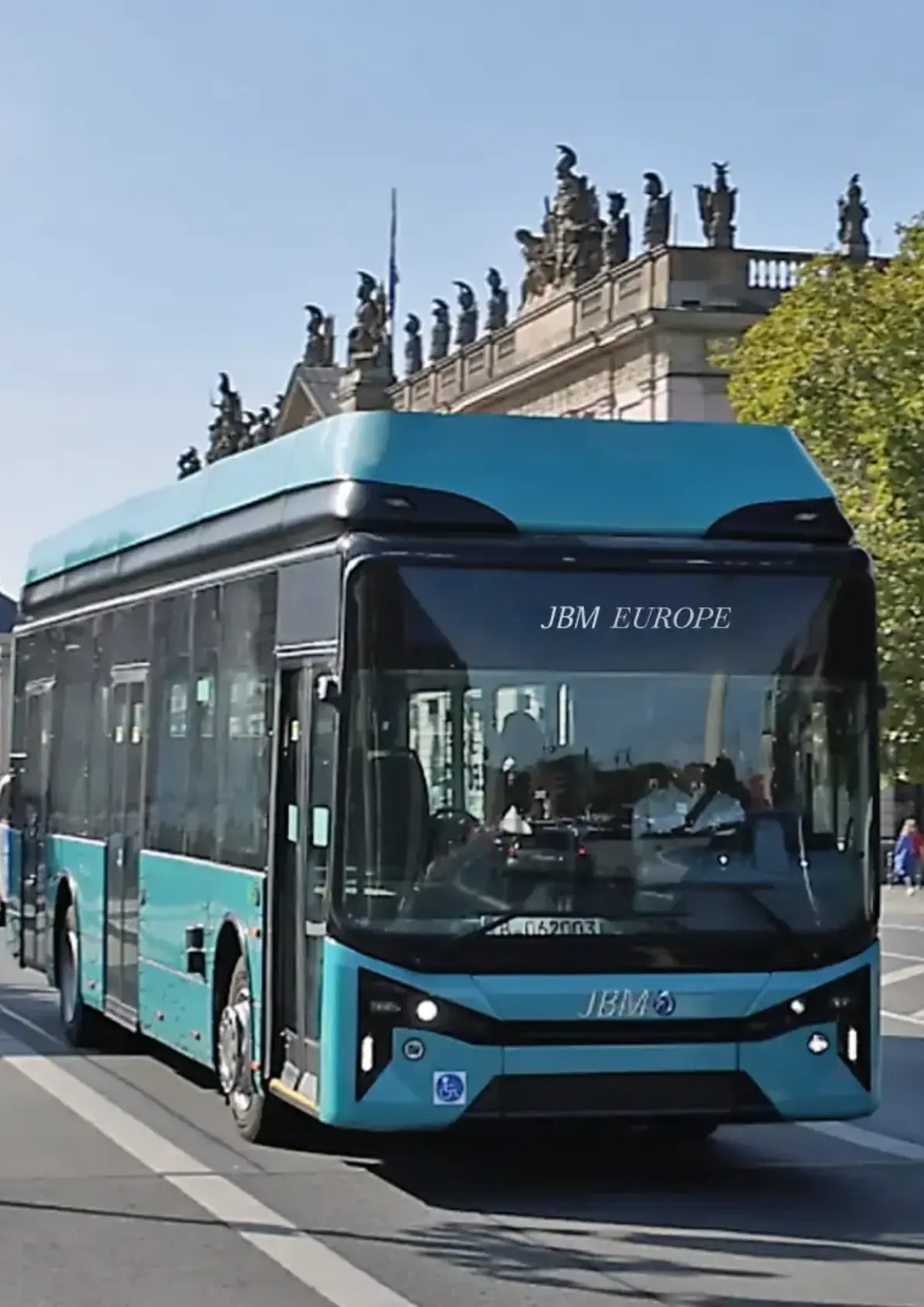
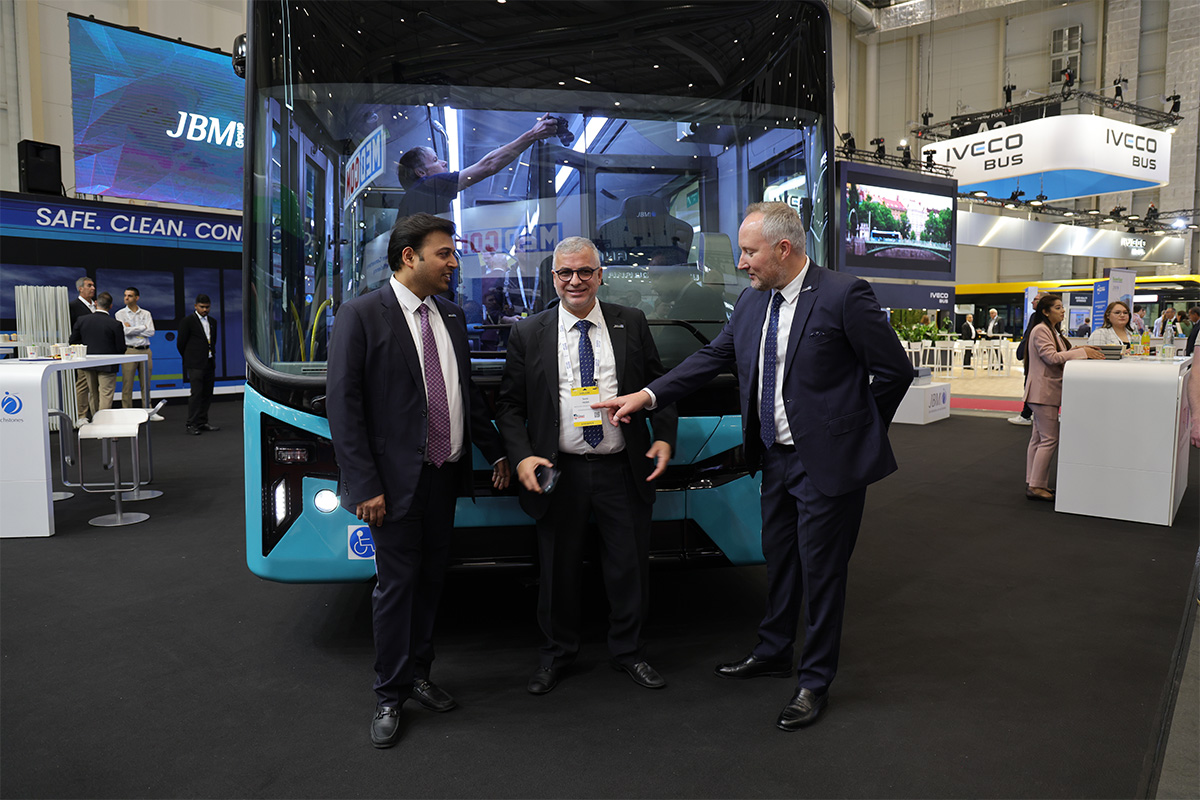
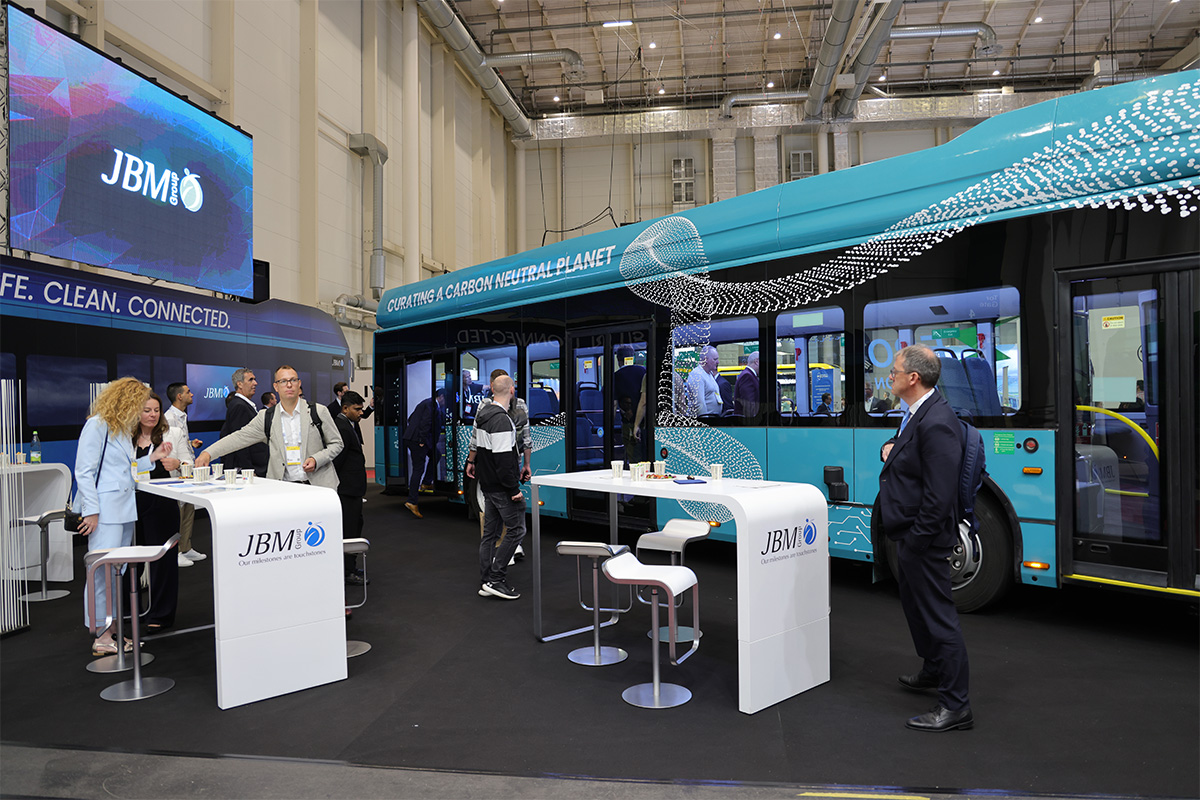
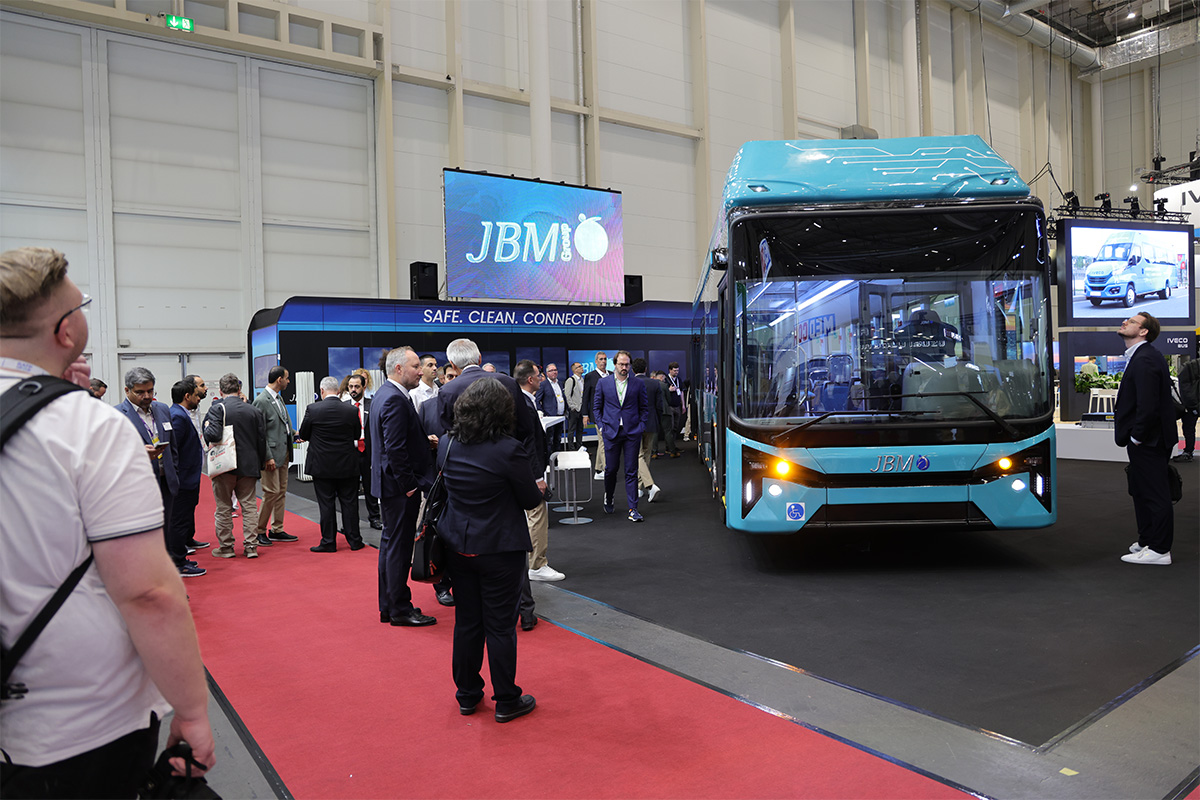
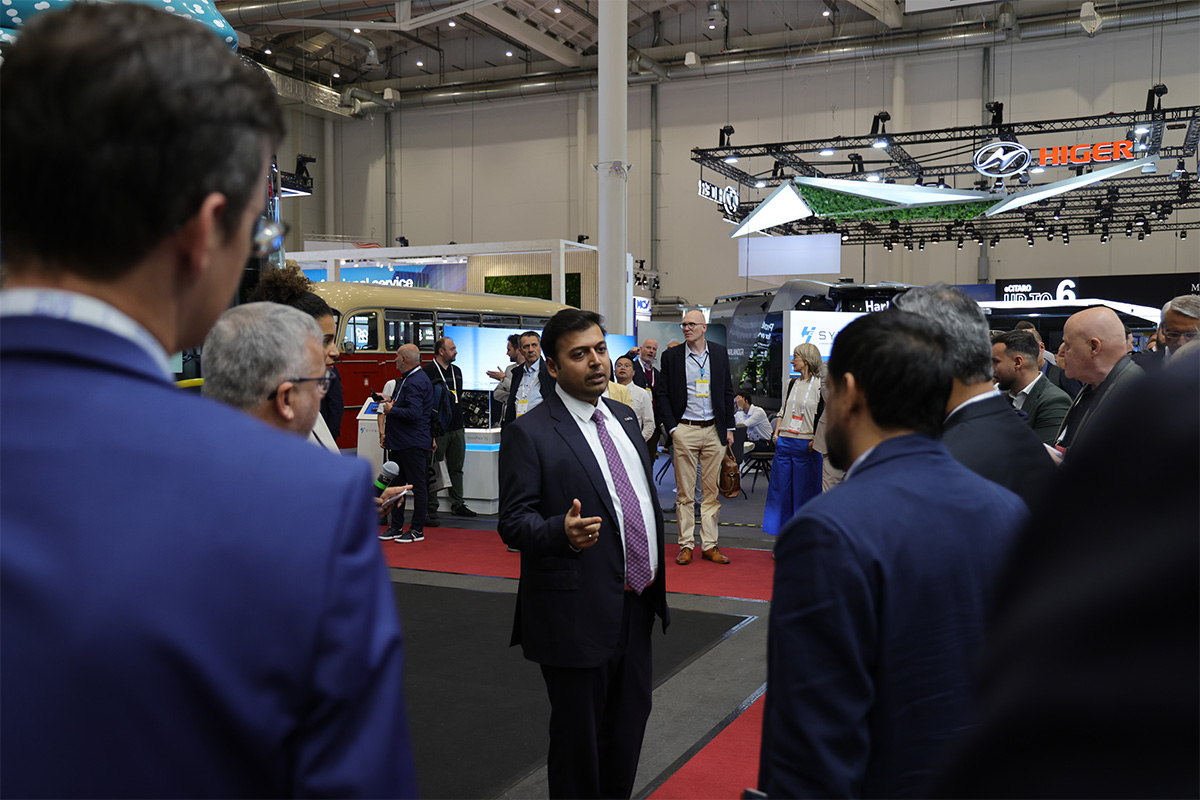
The world’s climate finance is flowing into Indian public transport. The real story is no longer the size of the cheques. It is how quickly they are turning into electric buses on the road.
During the past financial year, the International Finance Corporation, the private-sector arm of the World Bank Group, committed US$100 million to our electric-mobility business. What made that commitment remarkable was not only its size but its significance, it is IFC’s largest investment anywhere in the world in the electric-bus sector. It was followed by a ₹750 crore investment from Motilal Oswal, among the largest domestic institutional investments India’s electric-mobility sector has seen. For those of us who have long argued that electrifying India’s buses is not a subsidy story but an investment story, that pairing of the world’s development capital and India’s own institutional capital settled the argument.
Read the two together, and a pattern emerges. A global multilateral known for its discipline, and a leading Indian institutional investor known for the same, looked at the same asset class, Indian electric buses, and independently decided it was bankable. That is not sentiment about a worthy cause. It is a judgement about a business, and it is the clearest signal yet that green capital now regards Indian public transport as somewhere it can deploy at scale and expect a return.
Why disciplined capital is choosing Indian buses
Institutions of this kind invest where the impact is high, and the underlying business is durable enough to return their money. Indian public transport now meets both tests. The impact is self-evident: buses are how hundreds of millions of Indians move every day, and electrifying them attacks urban air pollution and transport emissions together. The durability is newer, and it is what changed the conversation.
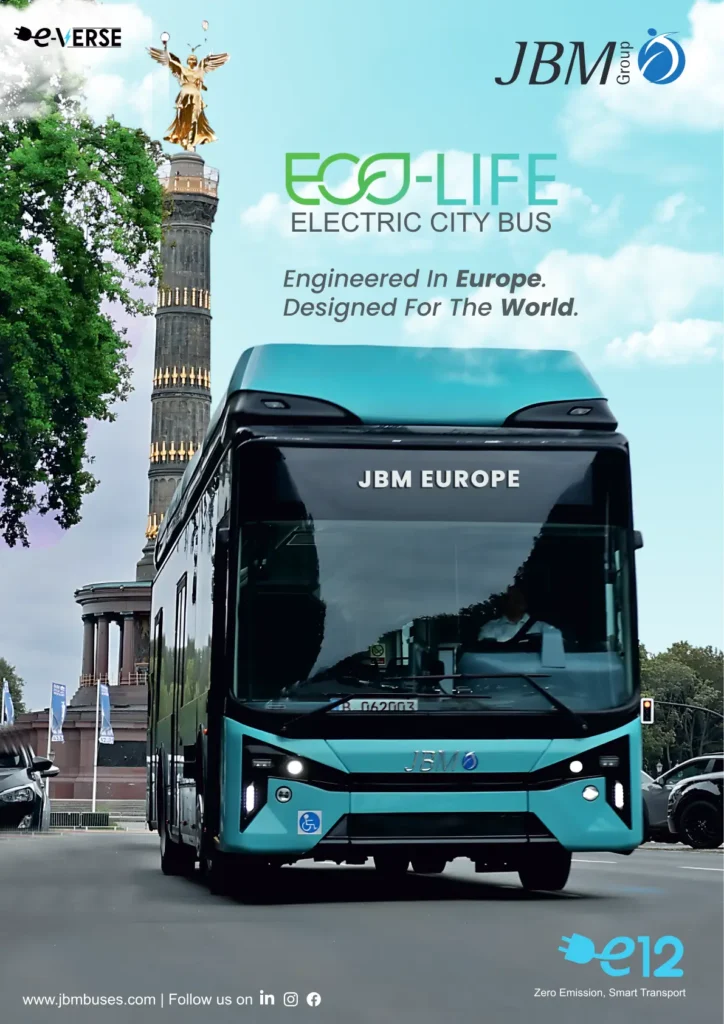
Our electric fleet has now crossed 4000 buses on the road, with an order book of more than 10,000 buses deployed and under execution. Those buses have together run over 500 million electric kilometres, carried a passenger base well into the billions, and avoided more than 650 million kilograms of carbon dioxide. That is not a pilot, it is an operating history, and operating history is exactly what turns a promising idea into an investable one. When a financier can see years of real-world utilisation, uptime and payment data, the risk premium falls, and the capital arrives.
Green finance should be measured not by the commitments announced, but by the kilometres delivered. India is leading on both.
From commitment to kilometre: the deployment story
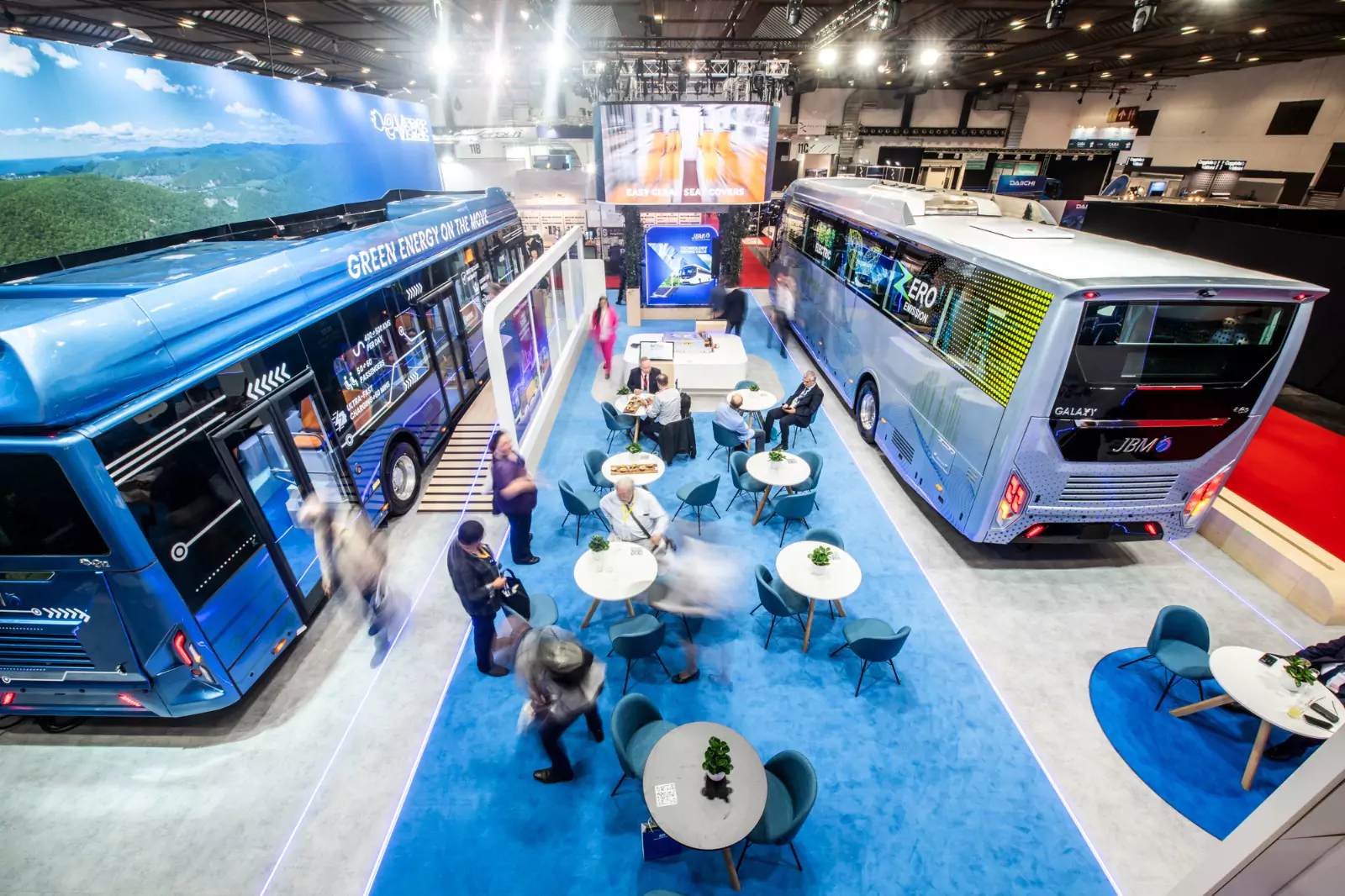
The most important shift in India’s green-finance story is one of velocity. In many markets, climate capital is announced with fanfare and then awaits deployment. In Indian public transport, it is converting into deployed assets within quarters, because the delivery machinery already exists. Our manufacturing capacity of 20,000 electric buses a year, one of the largest such facilities outside China, means capital raised becomes rolling stock on a predictable timeline. A financier is no longer betting on whether the buses will be built; they are financing buses that are already being built.
Just as important is what the capital is really underwriting. It is not only vehicles; it is a platform. Our integrated digital layer now supports close to 99.8% morning fleet readiness and charging-infrastructure uptime above 98% across major operating depots. That reliability is what a long-term investor is buying, the confidence that the asset will run, and be paid for, for years. It is the maturity of that platform, not the novelty of any single bus, that has drawn institutions like IFC and Motilal Oswal to the table.
The flywheel India is building
What is taking shape is a flywheel. Capital funds deployment; deployment generates operating data; that data lowers the perceived risk of the next tranche of capital; and lower risk lowers the cost of financing, which makes the next bus cheaper to put on the road. Every rotation makes electric public transport more affordable for the cities that need it most, and, crucially, for the smaller cities that have so far watched the transition from the sidelines.
India did not invent green finance. But it may be showing the world how to make it move. The lesson our partners are taking away is not that Indian buses are a worthy cause; it is that they are a well-run business with measurable impact, the rare combination that turns climate ambition into climate infrastructure. If the next decade of global climate finance is judged by outcomes rather than announcements, the electric buses now pulling out of Indian depots every morning will be a large part of the reason.