How compact electric buses are redefining urban connectivity in India
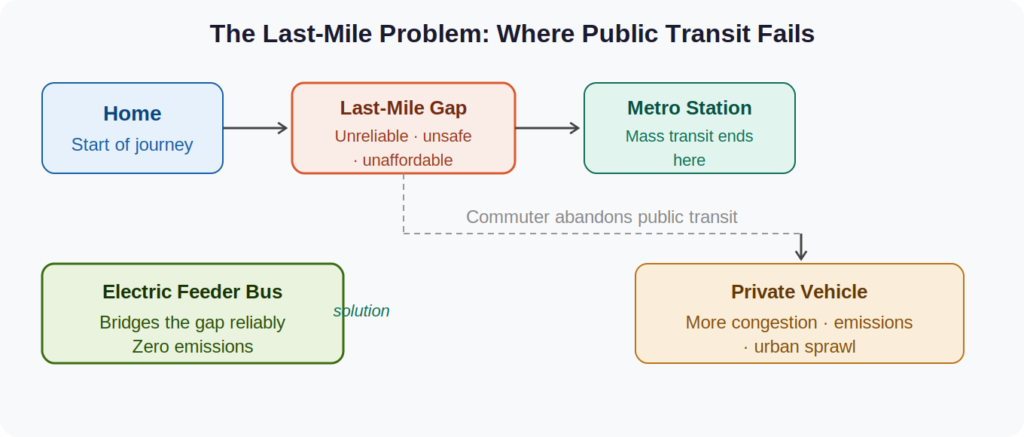
Most Indian commuters know the frustration intimately. The metro station is a few kilometres away. The nearest bus stop serves routes that arrive whenever they please. The auto-rickshaw fare depends on the driver’s mood and the weather. So millions of people who would happily use public transport reach instead for a private vehicle — adding to the congestion, emissions, and sprawl that public transport was supposed to solve.
This is the last-mile problem: the stubborn gap between where mass transit ends and where people actually need to go. And across India’s cities, a quiet consensus is forming around one of its most practical answers — the small electric bus.
A Problem of Geometry, Not Just Policy
India is urbanising at remarkable speed, and its metro networks have expanded impressively across Delhi, Bangalore, Mumbai, and Hyderabad. But a metro line is a spine, not a circulatory system. Without feeder services that reliably carry people to and from stations, even the best metro under-delivers — and ridership data across Indian cities bears this out. Networks have grown; ridership has often stagnated.
The reason is experiential. When the last mile is unreliable, unsafe, or unaffordable, people abandon the whole journey, not just the final leg. The answer is not more metro lines in isolation. It is smarter, denser bus networks that can thread through the narrow lanes and dense neighbourhoods where Indians actually live.
Why the Electric Bus Fits This Job Better Than Diesel Ever Did
Traditional diesel buses were always a poor match for last-mile work, for three reasons worth understanding.
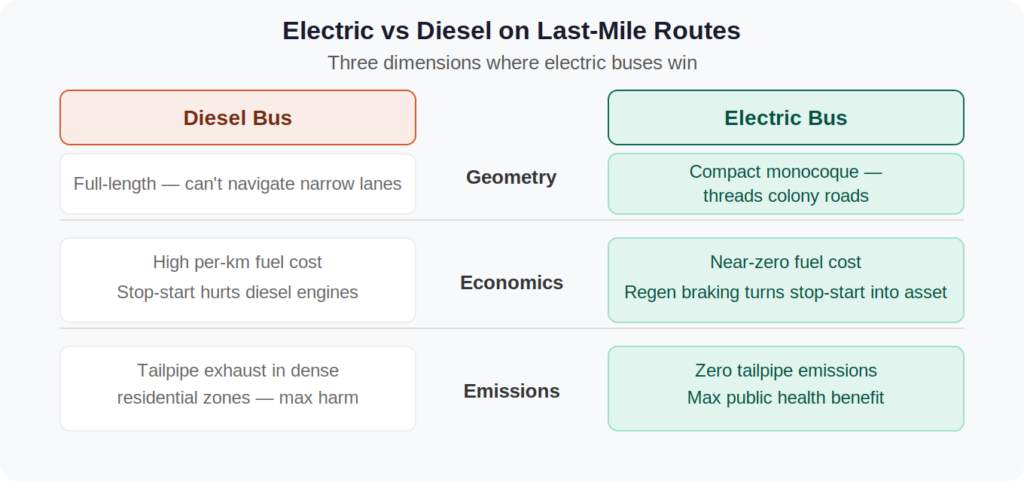
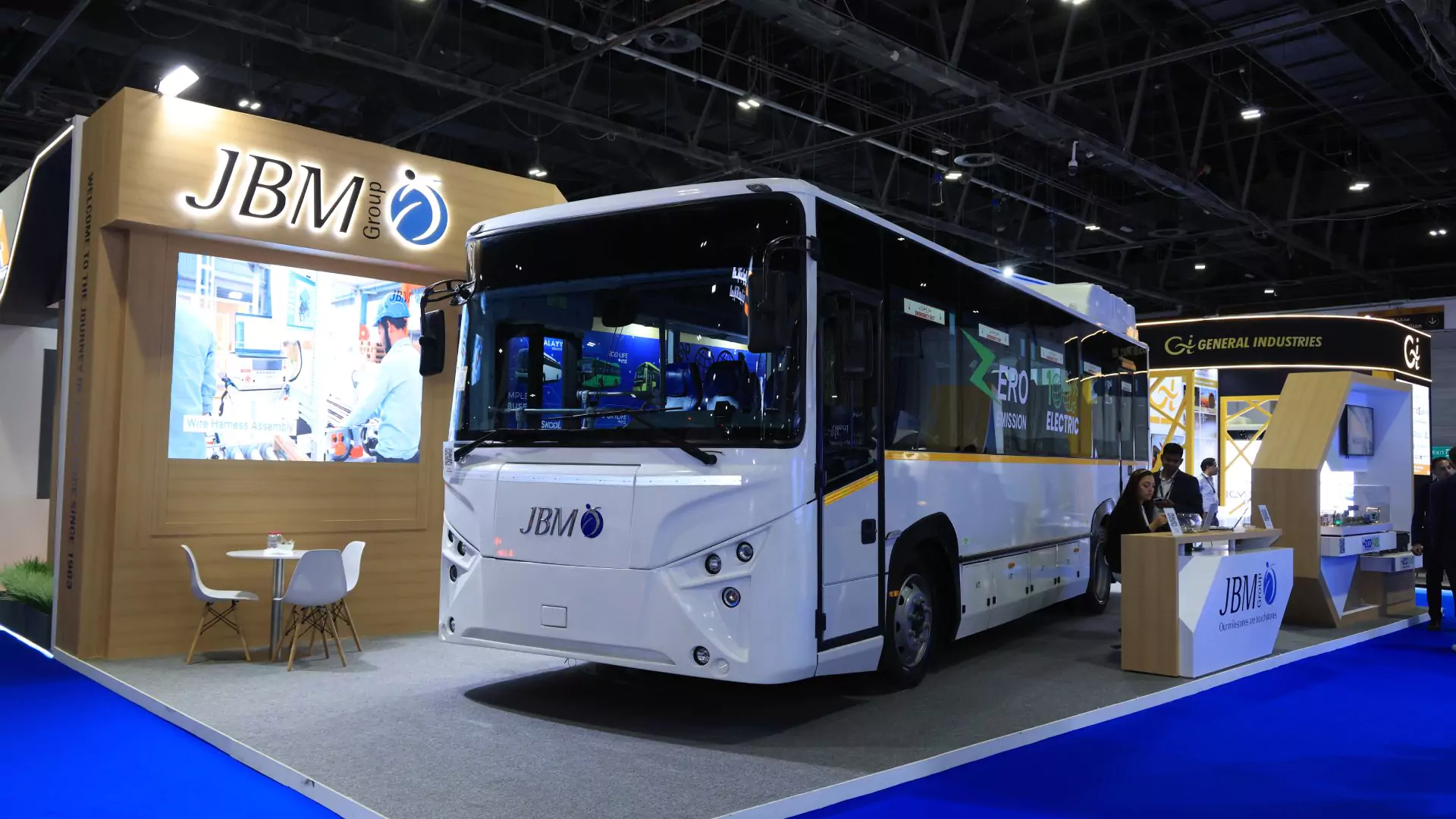
Geometry: Feeder routes wind through colony roads and congested market streets where a full-length bus simply cannot go. Compact electric buses are engineered for exactly these dimensions — and every bus in service replaces dozens of cars’ worth of road space.
Economics: Last-mile routes are short and high-frequency, which is the worst possible duty cycle for a diesel engine and the best possible one for an electric drivetrain. Near-zero fuel costs make routes viable that diesel economics would kill — and regenerative braking means the stop-start rhythm of neighbourhood routes actually feeds energy back into the battery.
Emissions: Feeder routes run through the most densely populated parts of cities — past homes, schools, and clinics. This is precisely where a tailpipe does maximum harm, and precisely where zero-emission operation delivers maximum public health benefit.
Delhi’s Neighbourhood Bus Experiment
Delhi has become India’s most ambitious test case for electric last-mile connectivity. The city’s neighbourhood bus model deploys compact, low-floor electric buses as feeder services connecting residential areas to metro stations and main corridors — with reserved seating for women, panic buttons, CCTV, and real-time tracking built in as standard rather than as afterthoughts.
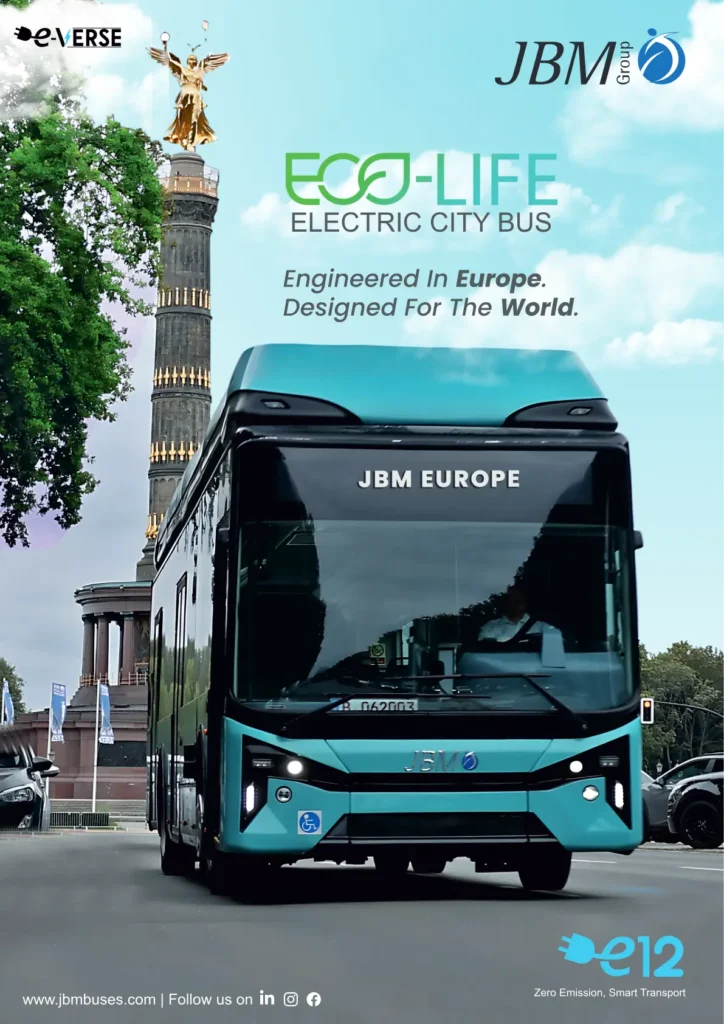
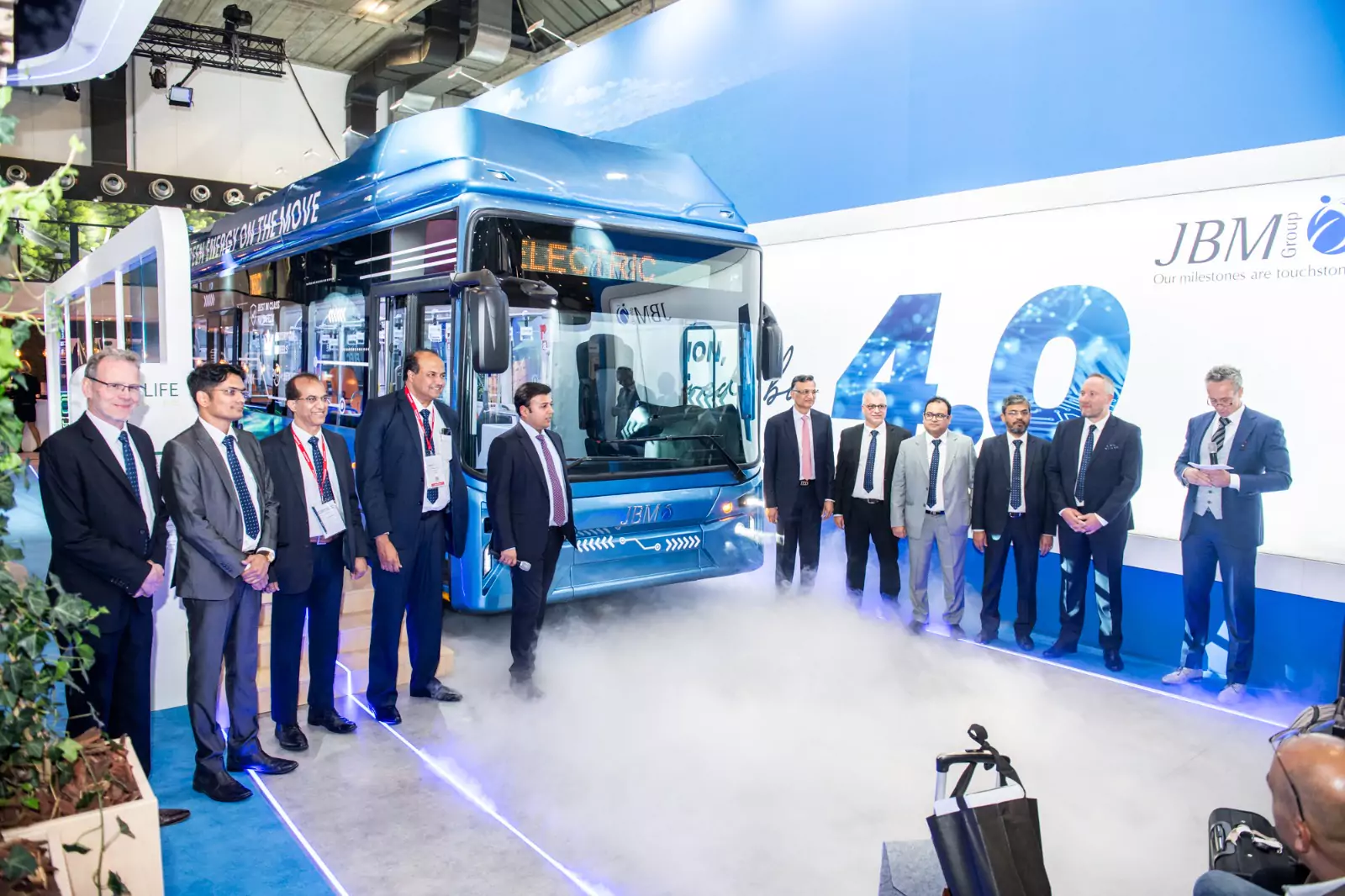
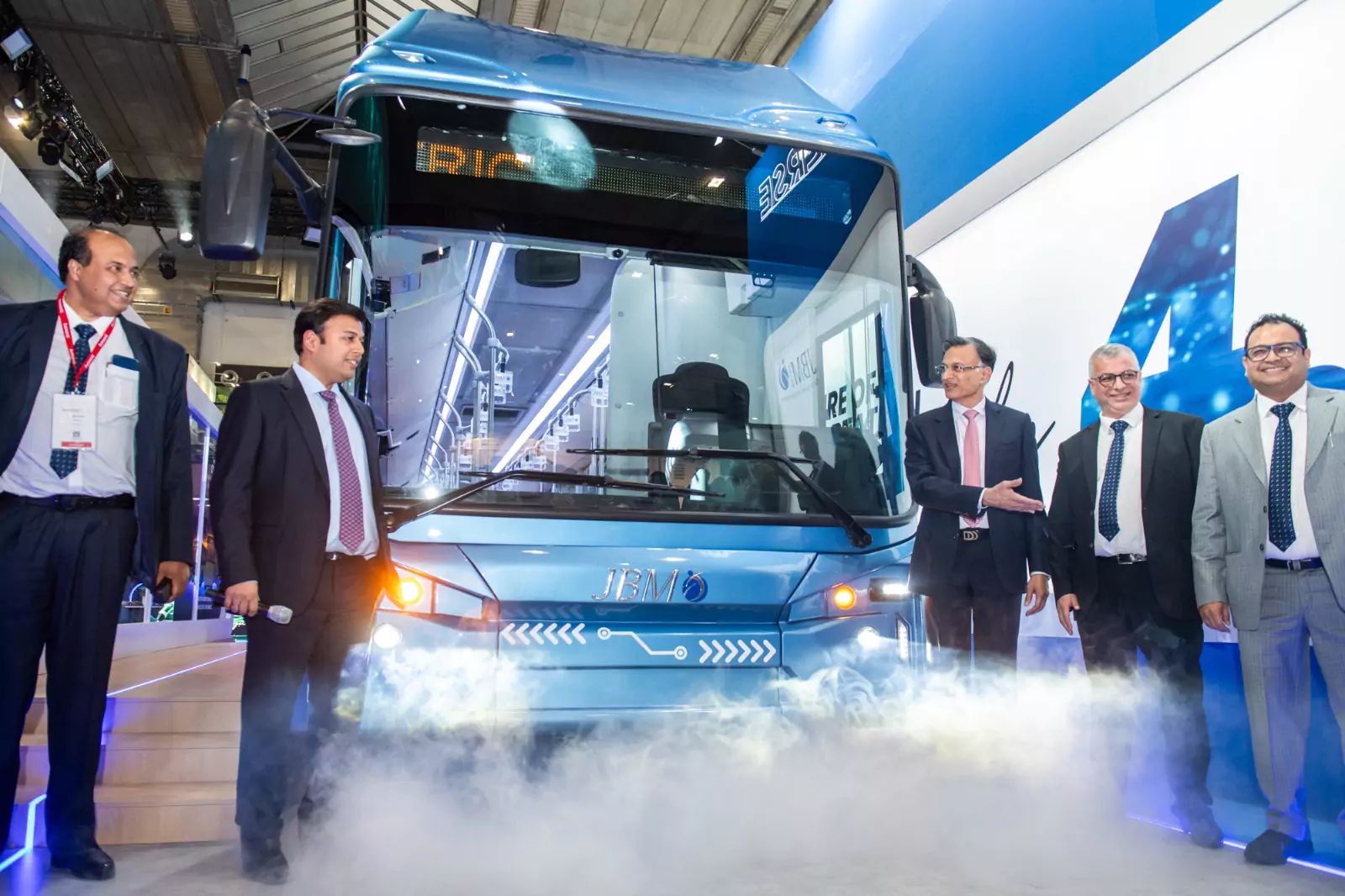
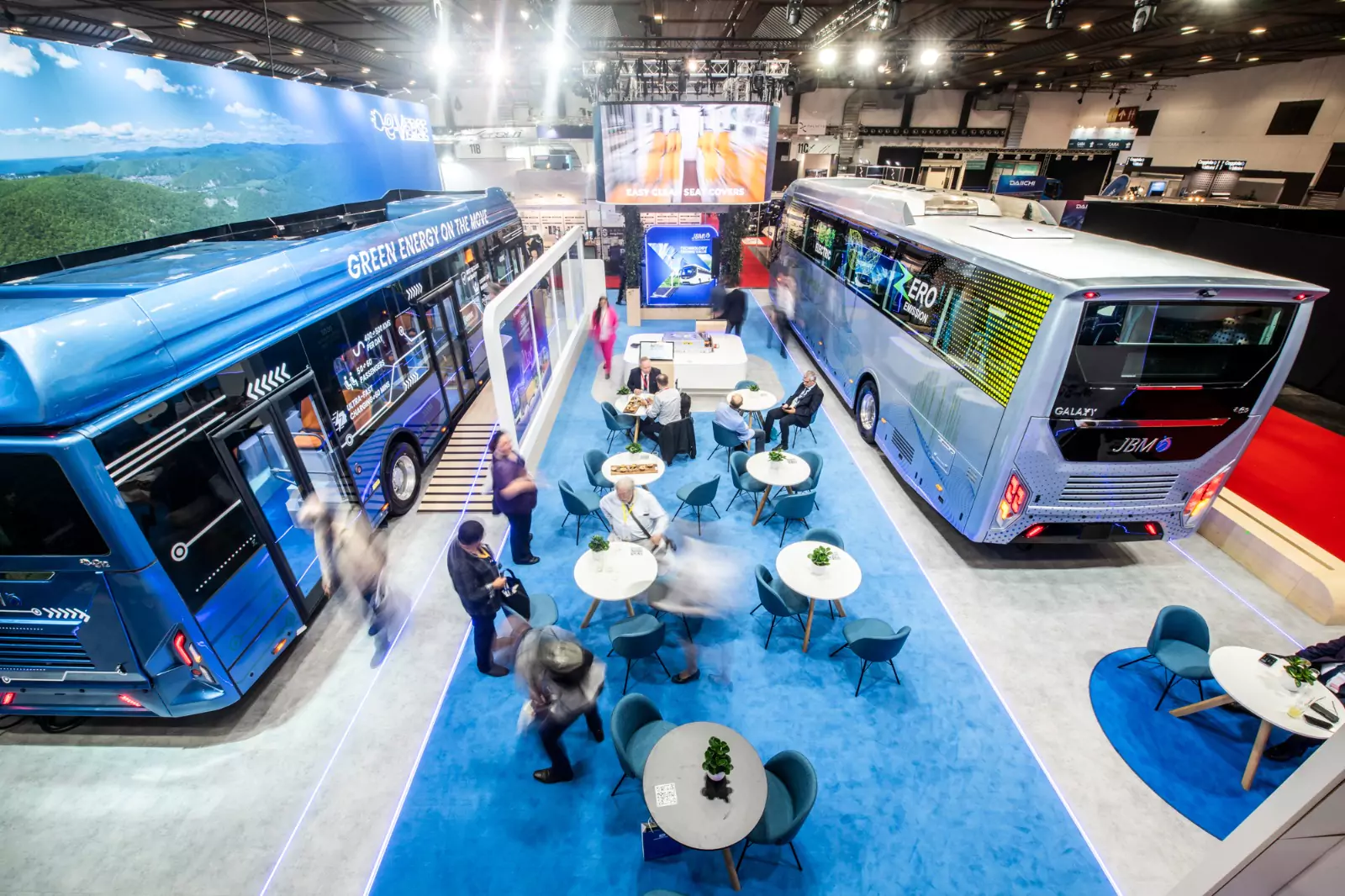
The Delhi Electric Vehicle Interconnector (DEVi) initiative formalised this thinking into a dedicated scheme linking bus terminals and metro stations. JBM’s ECOLIFE buses have been central to the city’s programme, operating from dedicated depot infrastructure and strengthening last-mile connectivity across the capital.
The lesson Delhi offers other cities: last-mile service is not a scaled-down version of trunk-route service. It is a different product, designed around different passengers, and the cities that treat it that way see the results.
The Gujarat Model: Designing Feeders from Scratch
Gujarat’s cities illustrate a complementary approach — building feeder networks deliberately rather than retrofitting them. In Gandhinagar, fully air-conditioned compact electric buses with accessibility features run on routes specifically designed to close last-mile gaps under the PM-eBus Sewa framework. In Ahmedabad, a complete e-mobility ecosystem — buses, fast-charging stations, and energy management — operates as an integrated depot solution, with opportunity charging keeping vehicles in service across long daily duty cycles.
The common thread: in both models, the infrastructure was planned with the buses, not after them.
What a Purpose-Built Last-Mile Bus Actually Looks Like
It is worth pausing on the engineering, because the difference between a generic bus and a purpose-built feeder bus explains much of why these deployments succeed.
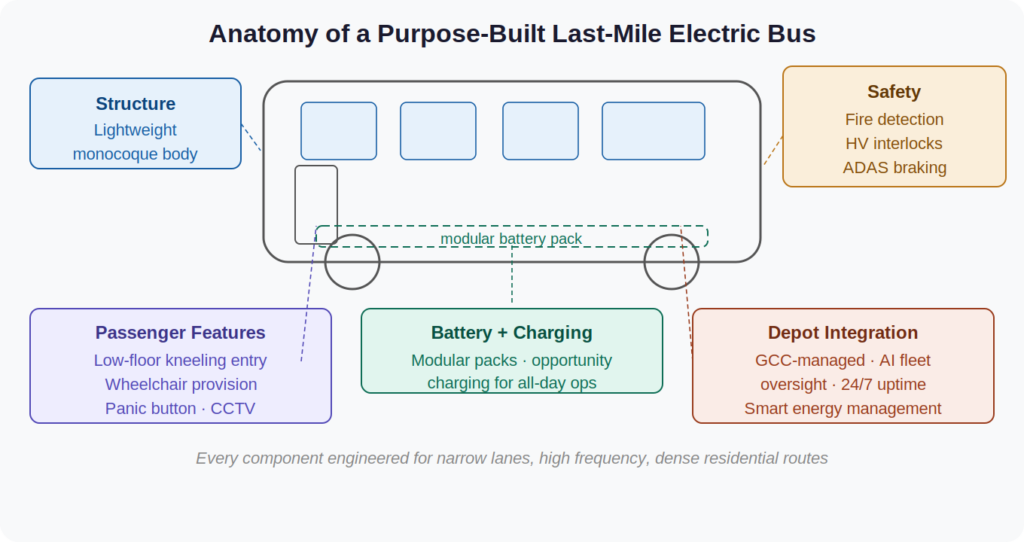
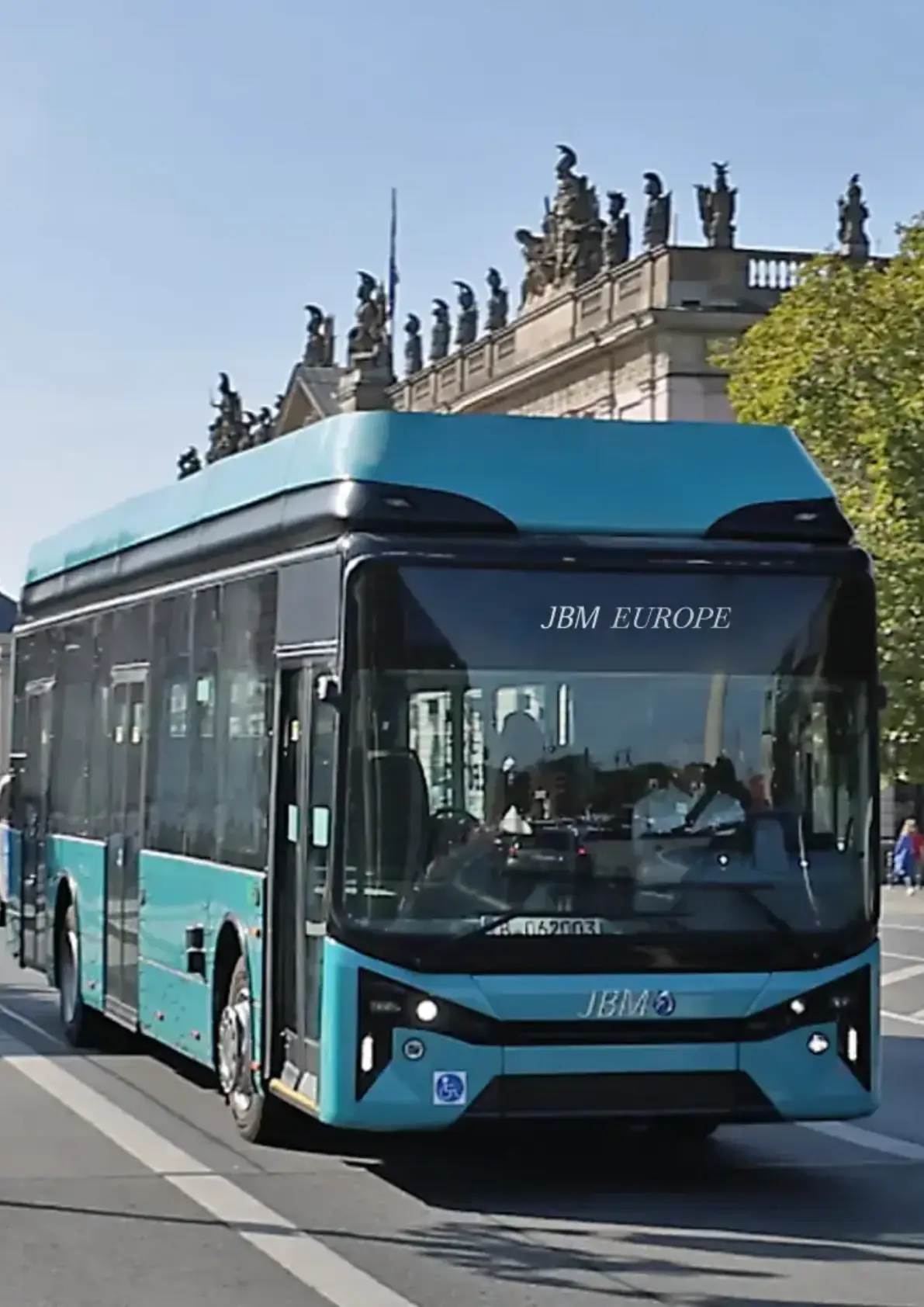
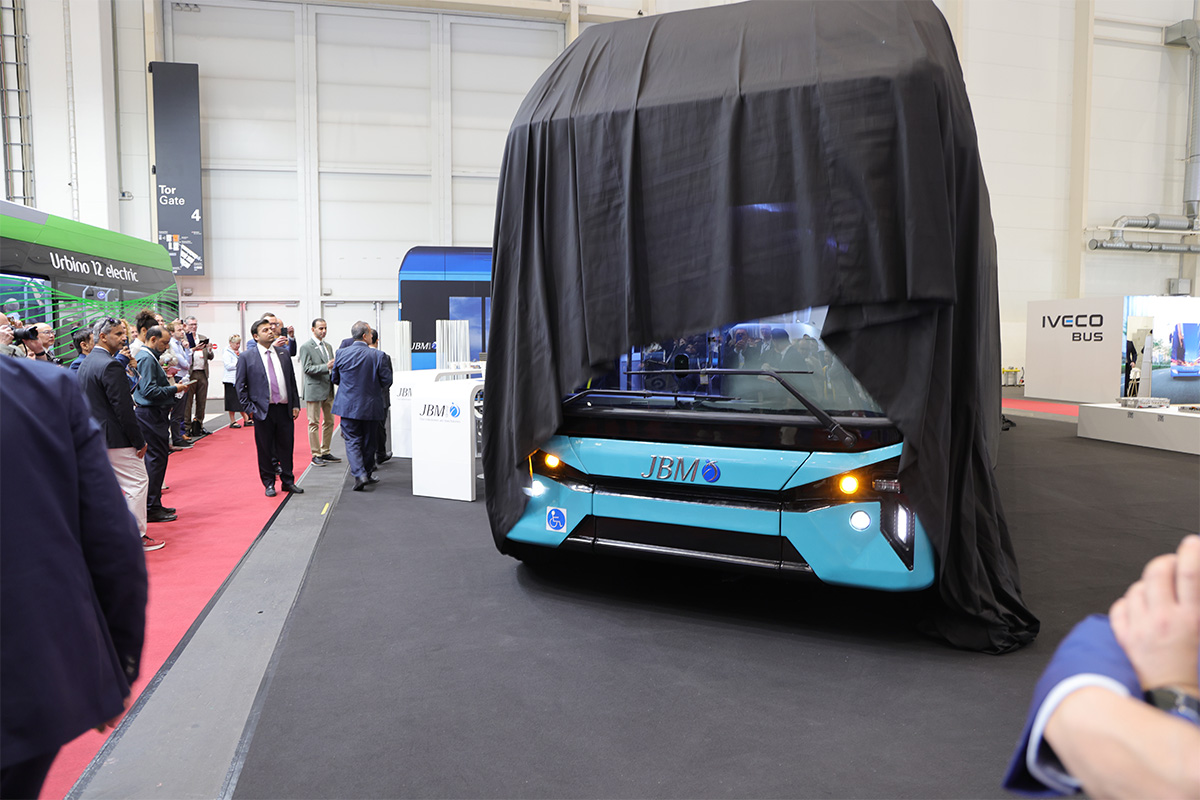
A purpose-built last-mile electric bus combines a lightweight monocoque structure for manoeuvrability without sacrificing capacity; modular battery packs and opportunity charging to sustain high-frequency, all-day operations; and regenerative braking suited to stop-start duty cycles.
Safety runs in layers — driver-assistance systems and advanced braking at the vehicle level, and battery-level protections including high-temperature cut-off, fire detection and suppression, insulation monitoring, and high-voltage interlocks.
Passenger experience is engineered with equal care: a near-silent ride, air suspension with a kneeling function for easy boarding, low-entry access with wheelchair provision, and women’s safety features — reserved seating, panic buttons, surveillance, and live passenger information — fitted as standard.
And beneath all of it sits the depot: charging infrastructure, energy management, and AI-driven fleet oversight delivered as one integrated service under Gross Cost Contract models, so that city authorities buy reliable kilometres of service rather than a parking lot of assets.
The Policy Frame That Makes It Viable
The national policy framework explicitly supports last-mile electric mobility. PM-eBus Sewa prioritises cities without organised bus services — exactly the places where last-mile gaps bite hardest — and its per-kilometre operational support makes short, high-frequency feeder routes financially viable for operators. Cities across the country, from the northeast to the west coast, have begun operationalising services under the programme, and the procurement pipeline behind them continues to grow.
This is the quiet significance of the scheme: it takes the route types that conventional economics always abandoned and makes them bankable.
Conclusion
India’s last-mile problem will not be solved by a single technology or policy. It needs the right buses, the right depot infrastructure, the right financing model, and the right operational support — working together at city scale.
What the early deployments demonstrate is that this combination now exists. From Delhi’s neighbourhood feeders to Gujarat’s purpose-designed networks, India’s cities are discovering that the last mile does not have to be the hardest mile. With years of electric operating experience already accumulated on Indian roads, the playbook is being written in real time — and other cities can now simply follow it.
Frequently Asked Questions
Q1. What is last-mile connectivity in public transport?
Last-mile connectivity is the short final leg between a major transit hub — a metro station or bus terminal — and a passenger’s actual destination. It is often the weakest link in India’s urban transport chain; when it is unreliable or unaffordable, people abandon public transport altogether in favour of private vehicles.
Q2. Why are electric buses better suited to last-mile routes than diesel buses?
Compact electric buses can navigate narrow urban lanes that full-length buses cannot, their near-zero fuel costs make short high-frequency routes economically viable, and their zero tailpipe emissions matter most in the dense residential areas where feeder routes operate. Regenerative braking also turns stop-start duty cycles into an efficiency advantage.
Q3. What is Delhi’s approach to electric feeder buses?
Delhi deploys compact, low-floor electric buses as neighbourhood feeder services connecting residential areas to metro stations, formalised through initiatives such as the Delhi Electric Vehicle Interconnector (DEVi). Women’s safety features, accessibility provisions, and real-time tracking are built in as standard.
Q4. What features define a purpose-built last-mile electric bus?
Key elements include a compact, lightweight monocoque structure; modular batteries with opportunity charging for all-day operations; layered safety systems spanning driver assistance, advanced braking, and battery-level protections such as fire detection and high-voltage interlocks; and accessibility features including kneeling suspension, low-entry boarding, and wheelchair provision.
Q5. How does PM-eBus Sewa support last-mile connectivity?
The scheme deliberately prioritises cities without organised bus services and provides per-kilometre operational support along with central assistance for depot charging infrastructure — making feeder routes financially viable and bringing organised, electric public transport to smaller cities and underserved neighbourhoods.